When a Hand Became Evidence for a Royal Match
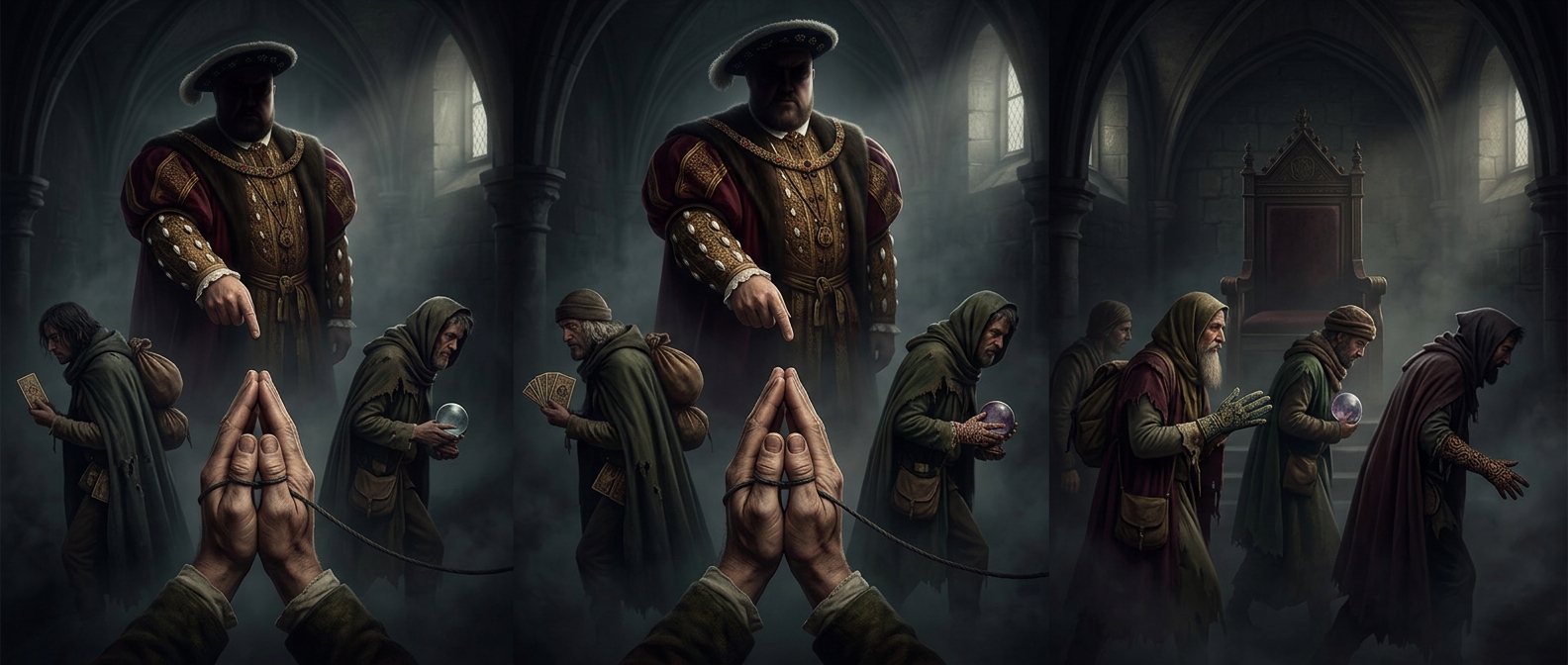
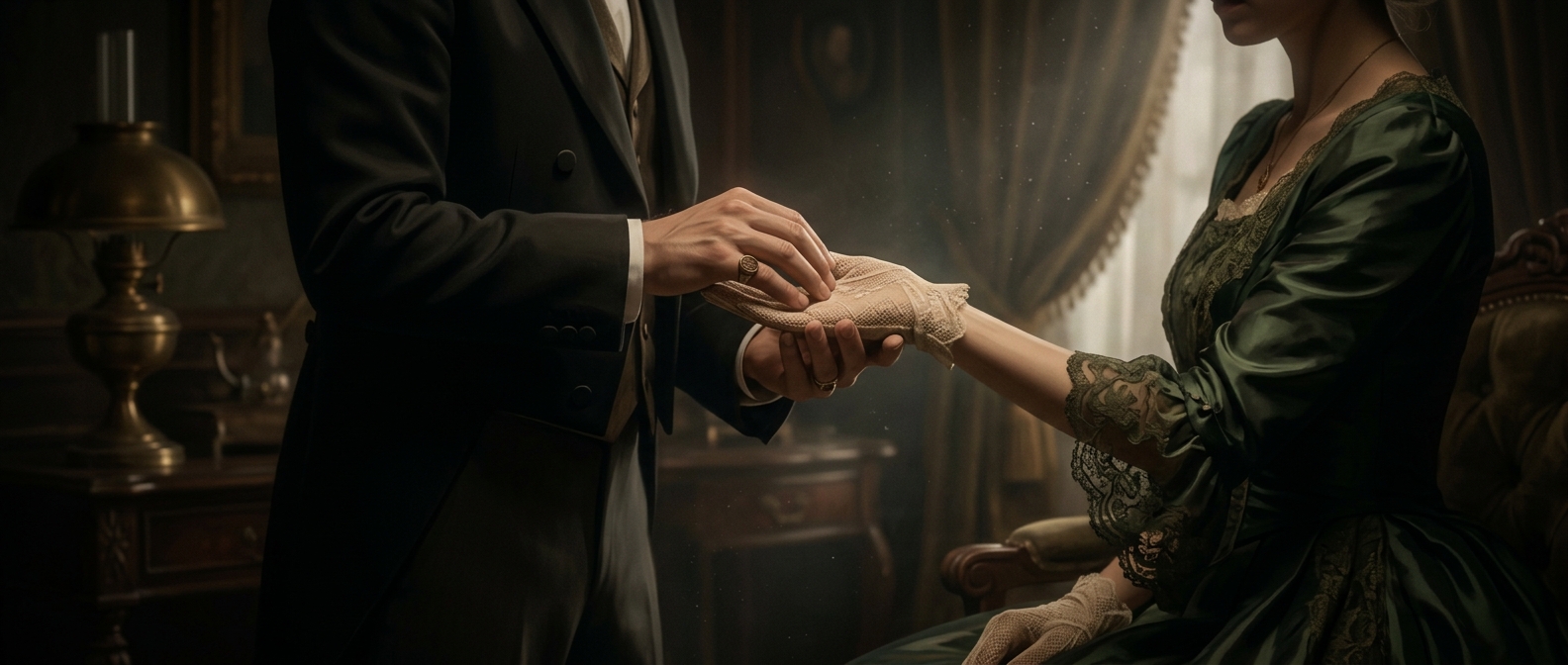
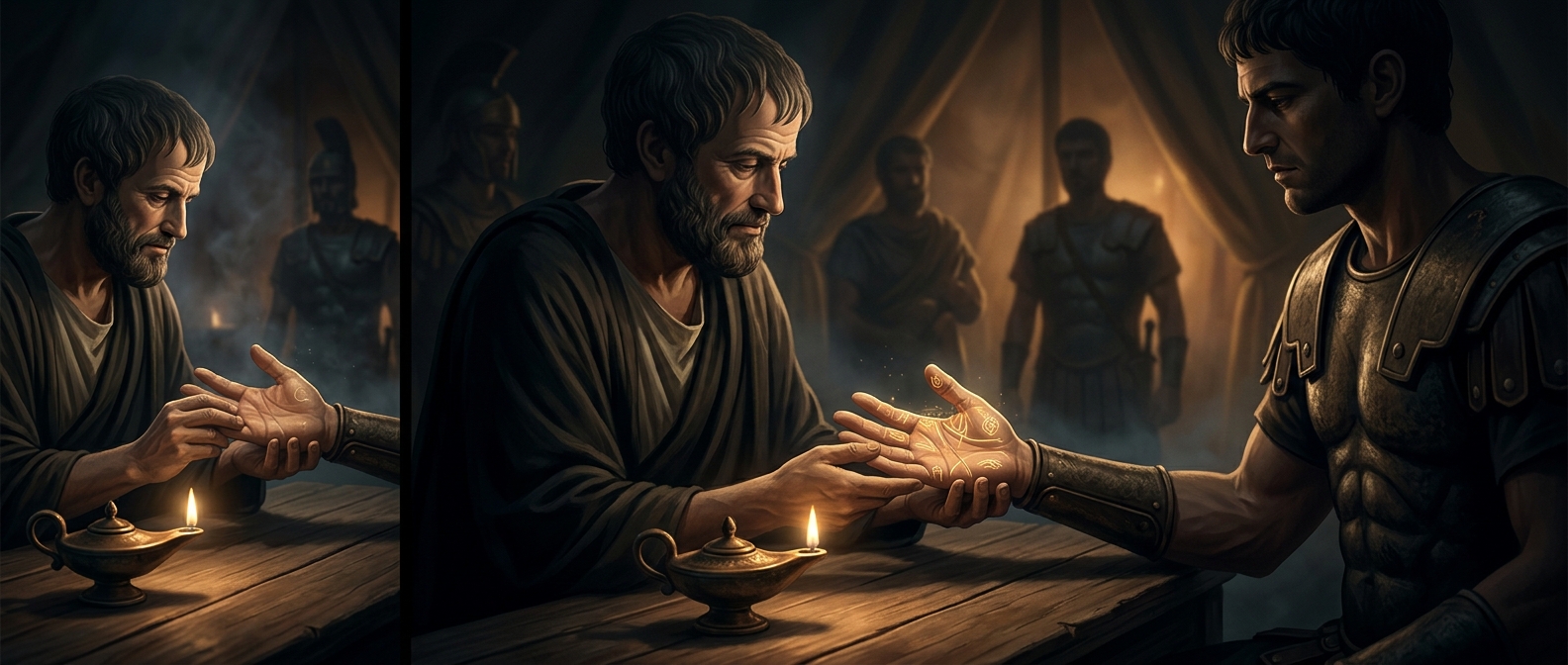
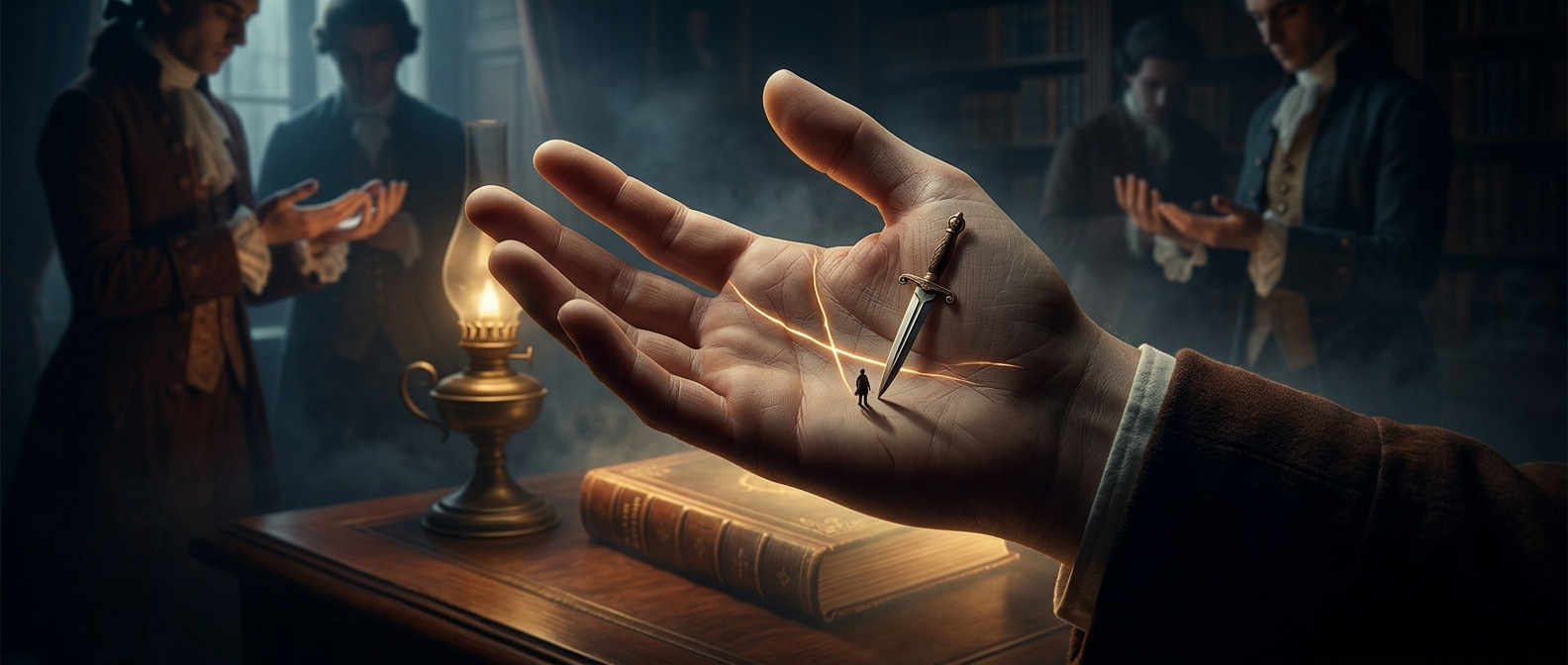
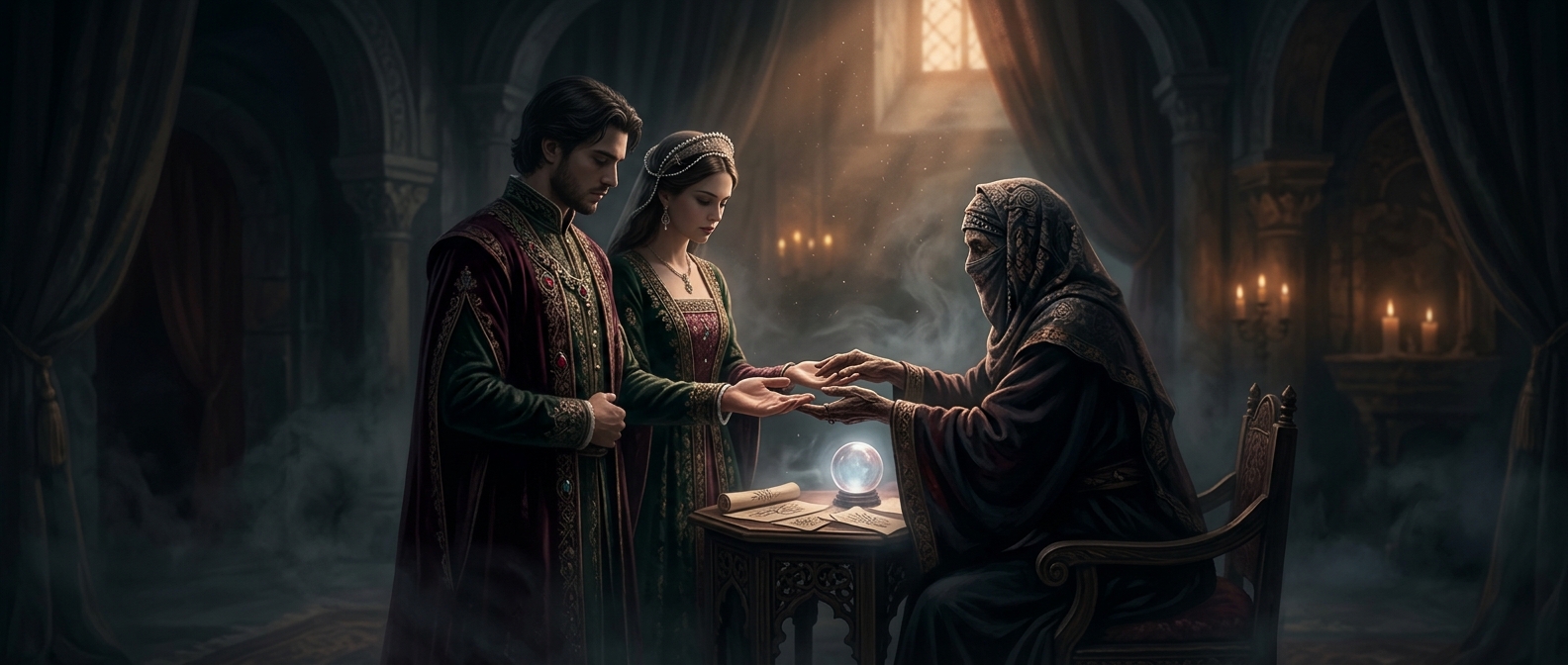
In royal marriage negotiations, a prospective spouse’s hand could be treated as more than a physical detail. A palm reader interpreted its lines as signs of what the marriage might bring—especially whether the couple would have strong heirs. The reading turned an uncertain future into something advisers could claim to inspect before a marriage was settled.
Why Heirs Mattered So Much
For a royal family, producing an heir was not simply a private hope. Succession affected who would inherit the throne and whether power would pass smoothly to the next generation. An arranged marriage already served political purposes; a prediction about children could add another test to the match.
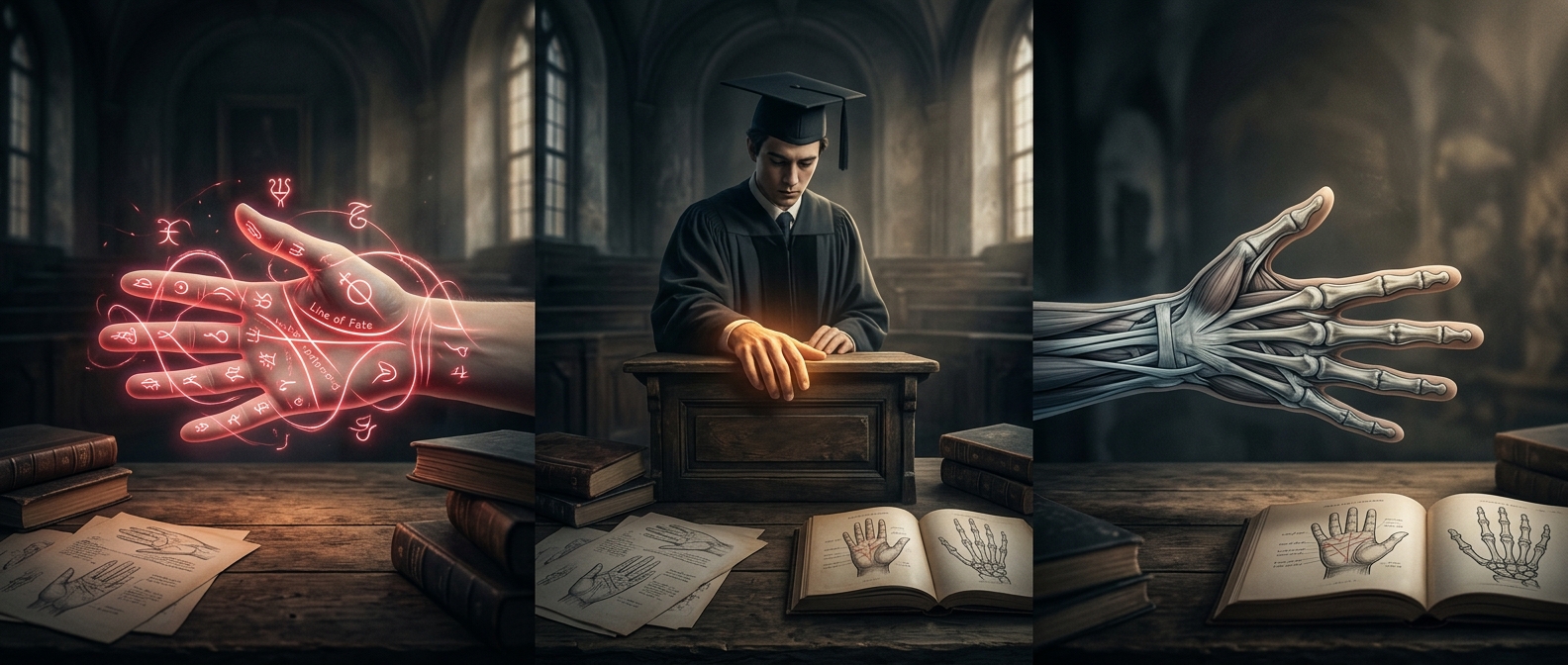
Palmistry supplied an answer in the language of signs. The lines were read as predictions, not as medical evidence: their importance came from the authority people gave the interpretation. If a reading shaped a decision, it could help steer a marriage toward or away from a candidate.
Reading a Future Before It Happened
That made the palm reader part of a larger process of managing dynastic risk. No reading could guarantee an heir, but it could influence how a family judged the prospects of a union. A private feature of a person’s hand thus became entangled with a public question: who might continue the royal line.