Why a Small Boat Can Threaten a Freighter
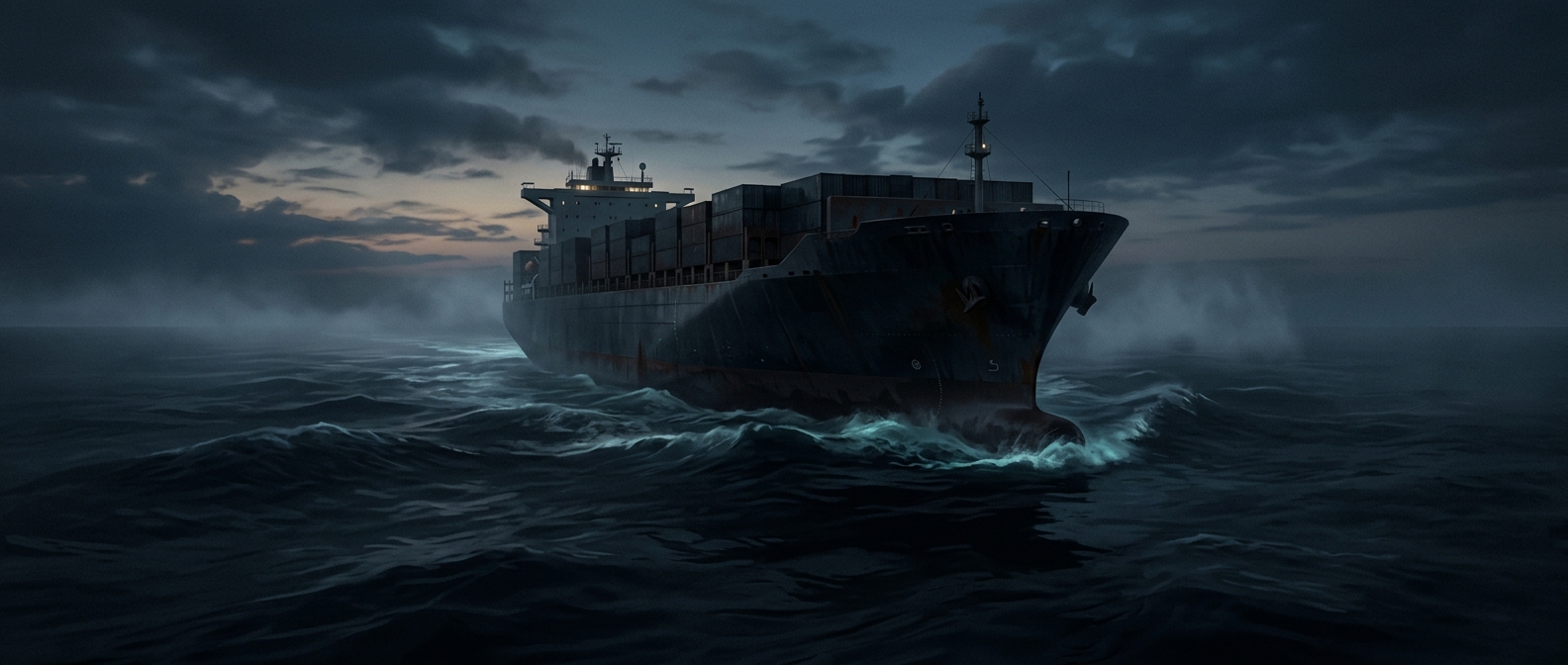
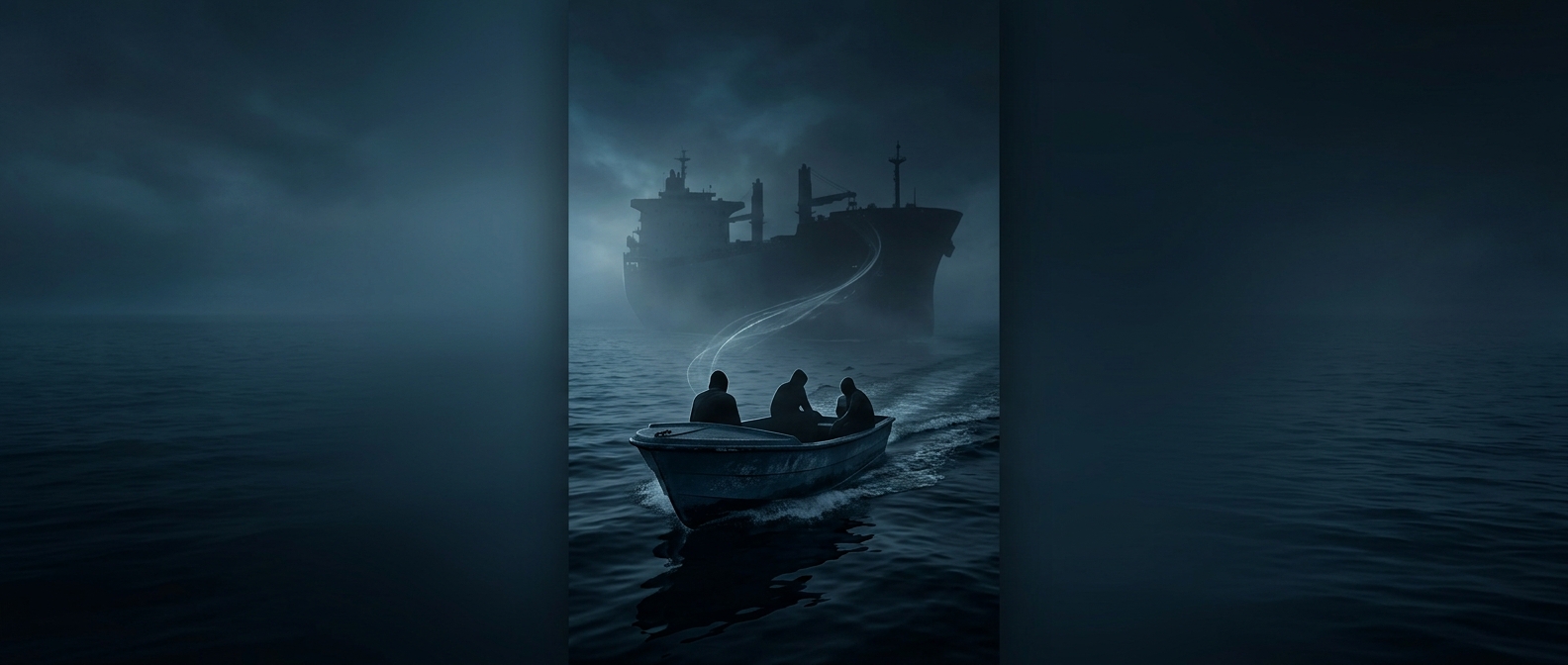
A freighter’s size is an advantage for carrying cargo, but it can make a close approach difficult to manage. The ship’s bridge sits high above the water, and the hull stretches far beyond the crew’s immediate reach. A small motorboat, by contrast, can change direction quickly and approach a chosen section of the hull. Its low profile can also make it harder to notice against waves and glare, especially until it is close.
The attackers’ goal is not to overpower the ship in a chase. It is to get alongside long enough to climb aboard. A ladder turns the freighter’s tall side into a reachable route, provided the boat can hold position despite the ship’s movement and the sea.
The Freighter’s Defense Is Mostly About Time
A cargo ship cannot turn or accelerate like a speedboat. Its size and momentum make sharp maneuvers impractical, so its crew needs to detect an approach early and make boarding difficult before the small boat reaches the hull. Watchkeeping, alarms, barriers, and coordinated action can all help create that distance or delay.
But defenses have to work across a vast ship, often with a small crew responsible for navigation and cargo operations as well as security. A barrier that protects one stretch of deck does not automatically protect every possible boarding point. The attackers’ low-cost approach exploits that mismatch: a small boat needs only a brief opening, while the freighter must remain safe across its exposed perimeter.
That is why the encounter is less a contest of firepower than of positioning and seconds. If the crew spots the boat early, it has more options; if the attackers reach the hull unnoticed, the freighter’s enormous size can become a problem rather than a shield.