Why John Paul Jones Took the War to Whitehaven
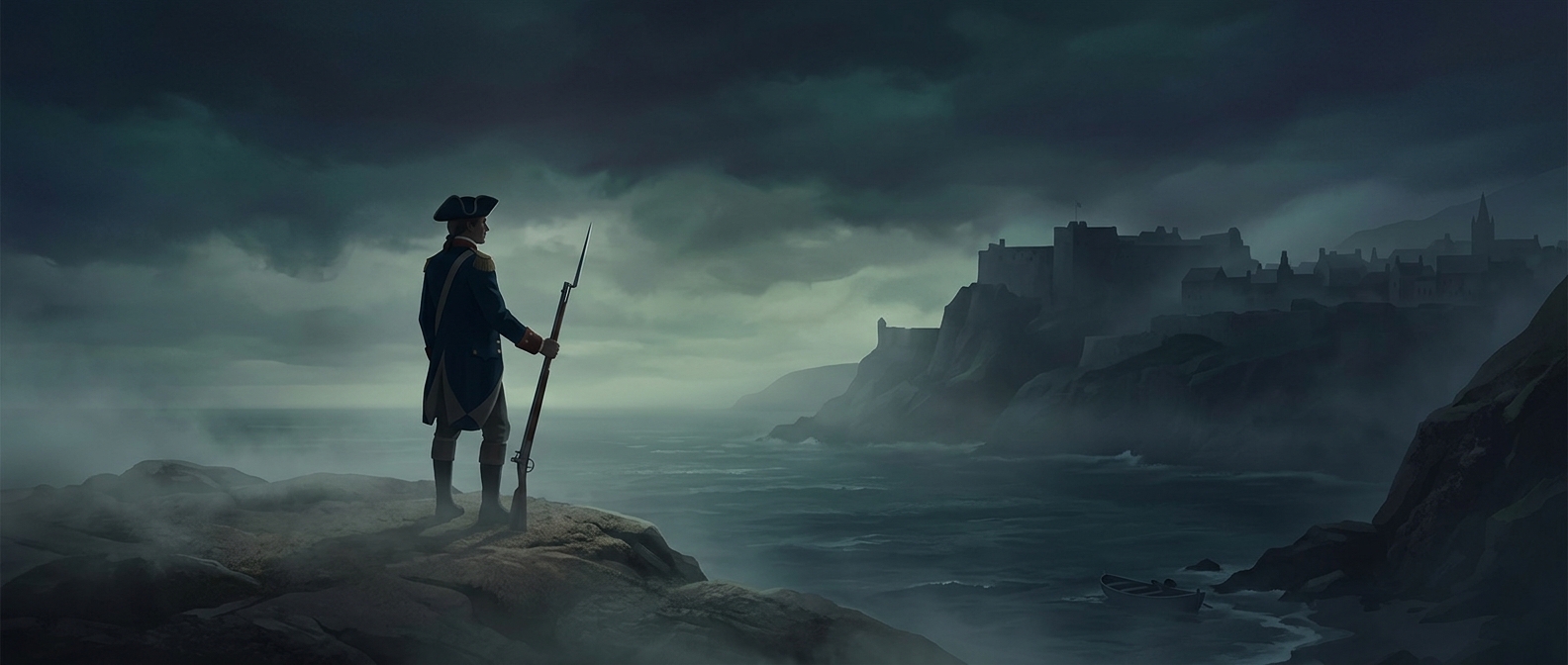
In April 1778, John Paul Jones led a small American naval force against Whitehaven, a busy English port on the Irish Sea. The attack was meant to do more than damage ships: it would show that Britain’s coastal towns were vulnerable and make the war feel close to home. Jones, a Scottish-born officer serving the Continental Navy, knew the region from across the water.
The raid depended on speed and surprise. Jones divided his men into boat crews and sent them ashore to disable the harbor’s guns and set fire to vessels in the port. But darkness, confusion and practical obstacles undermined the plan. The guns were put out of action, yet the fires did not spread as intended; one burning ship was reportedly extinguished by townspeople. As the alarm grew, Jones withdrew rather than risk trapping his small force in a larger fight.
A Small Attack With a Larger Audience
Whitehaven’s damage was limited, but the choice of target gave the raid its force. American privateers and naval ships had mostly threatened British commerce at sea. A landing on English soil suggested that the conflict could reach places many Britons had considered distant from the fighting.
That impression mattered even though the raid did not cripple the port or change the course of the war. It drew attention, alarmed local communities and helped establish Jones’s reputation as an audacious commander. The contrast was striking: a handful of men caused little lasting physical harm, yet their appearance in a British harbor made the war suddenly feel much nearer.