How an aerospike turns the outside air into part of the nozzle
A rocket nozzle converts hot, high-pressure exhaust into a fast jet. In a conventional engine, a bell-shaped passage guides the gas outward and sets how much it can expand before leaving the engine. That shape works best over a limited range of surrounding pressures: as a rocket climbs, the air pressure falls, so the exhaust’s ideal expansion changes too.
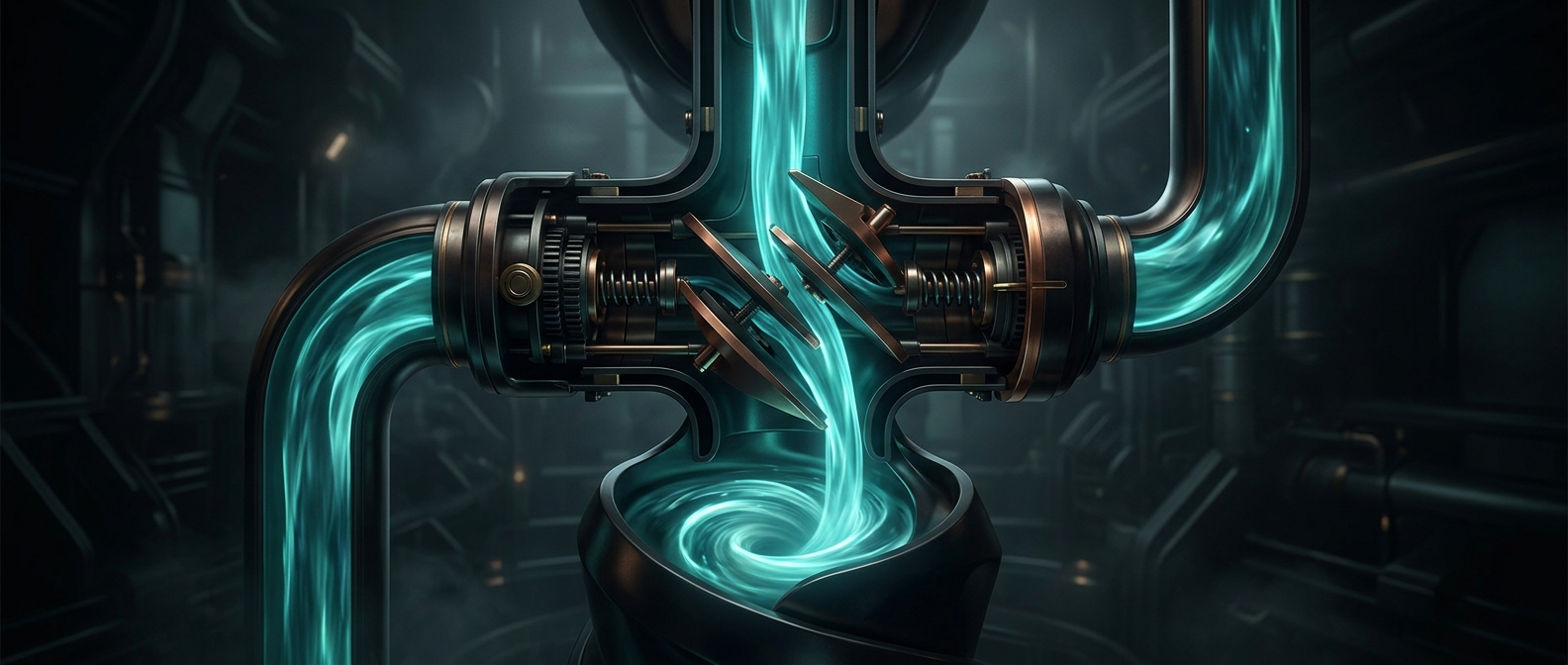
An aerospike rearranges the passage. Exhaust first flows through a ring of combustion chambers and then spills along the outside of a central spike, or plug. The spike’s surface directs the jet inward and downward. On its other side, the expanding exhaust meets the surrounding atmosphere, which helps contain and shape the flow. At higher altitude, where the air presses less, the plume can spread farther; at lower altitude, it stays more confined. The engine thus adjusts its effective expansion without changing a bell’s fixed walls.
Why the shape is useful—and difficult
The potential advantage is efficiency across a wider range of altitudes, especially for a vehicle that must lift off through dense air and continue into near-vacuum. A bell nozzle has to compromise between those conditions; an aerospike can adapt its exhaust plume as pressure changes.
But removing the bell does not make the engine simple. The spike is exposed to extremely hot exhaust and needs protection from heat, while the surrounding chambers and plumbing can be complicated. Those demands add engineering and manufacturing challenges that can outweigh the performance benefit. The aerospike’s cleverness is also its tradeoff: it replaces a fixed nozzle wall with a flow that adapts to the atmosphere, but that flow must be managed around a very hot central structure.