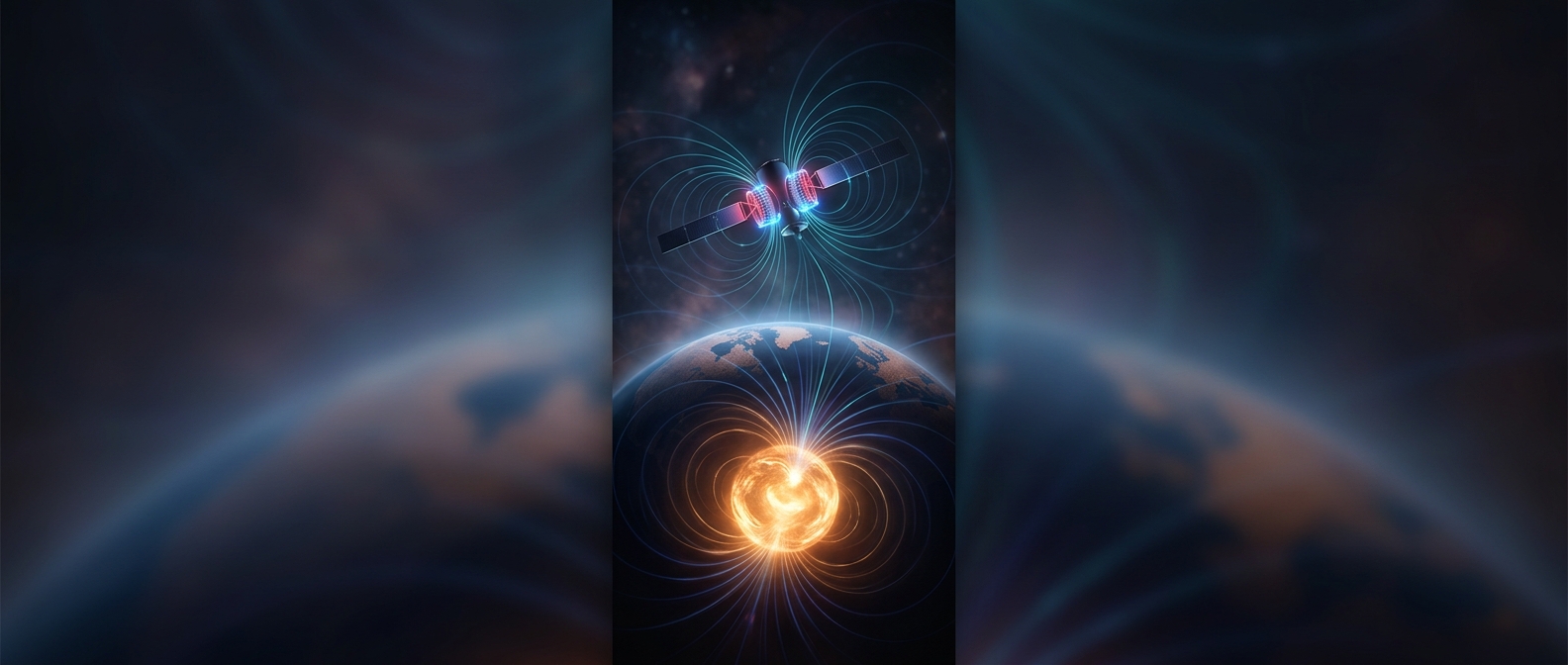
A coil becomes a temporary magnet
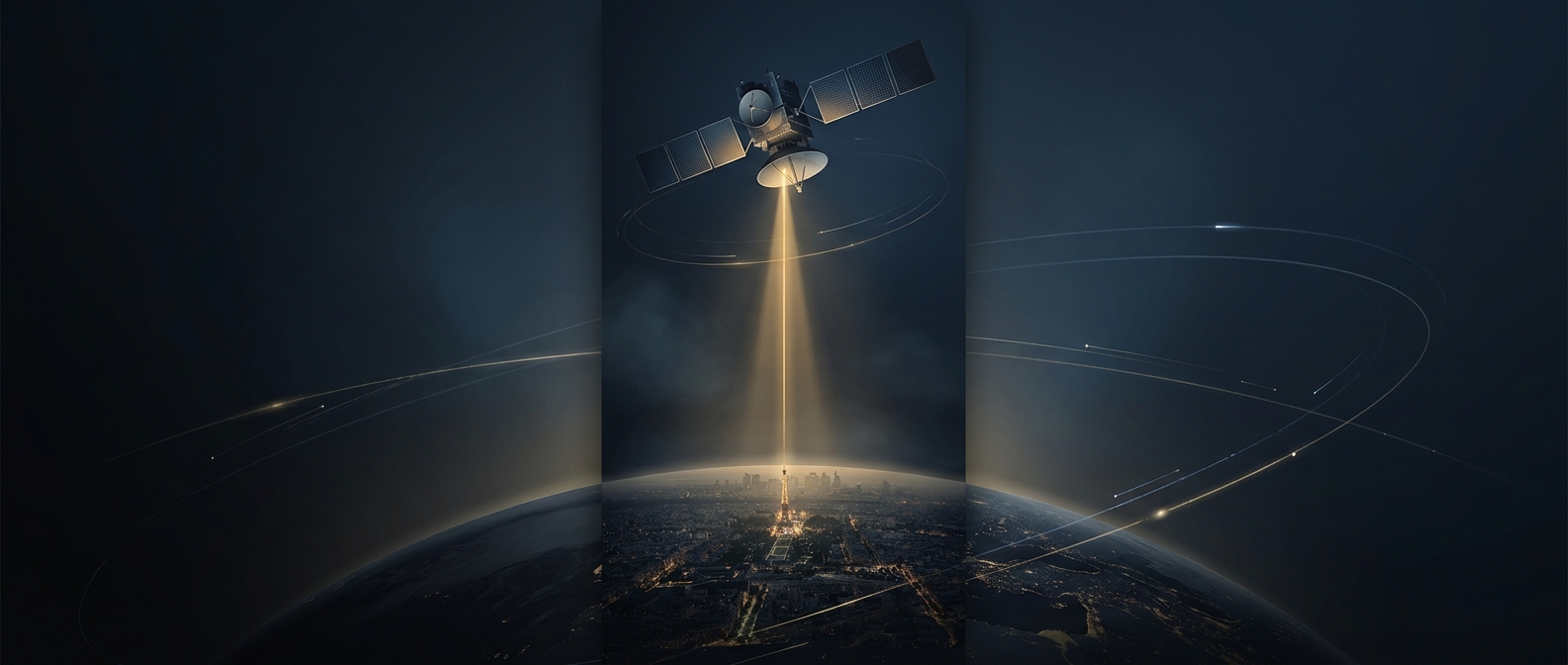
A satellite can steer by running electric current through coils of wire, turning them into electromagnets. Each coil creates a magnetic field of its own. Earth’s magnetic field pushes and twists against that field, much as two magnets can tug or rotate when brought near each other. The resulting twist, called torque, changes the spacecraft’s orientation.
Engineers call these devices magnetorquers. They can be coils or, in some designs, magnetic rods wrapped with wire. Changing the current changes the strength and direction of the satellite’s magnetic field, letting its control system choose how to nudge the craft.
A useful nudge, not a steering wheel
The magnetic push has an important limit: it depends on the direction of Earth’s field at the satellite’s location. A magnetorquer cannot produce torque in every direction at once, and its leverage varies as the spacecraft travels around Earth. Controllers therefore coordinate multiple magnetic devices and adjust them over time. This makes the method well suited to gradual reorientation, rather than a rapid turn on demand.
Magnetorquers are often used to steady a satellite after launch or help point it toward a target. They can also help manage reaction wheels—spinning devices that turn a spacecraft by exchanging rotation with the craft. Wheels gradually build up unwanted spin as they steer; magnetorquers can push against Earth’s field to bleed off that stored momentum.
Saving propellant, spending electricity
Because the turning force comes from a magnetic interaction, the satellite need not expel gas to make these adjustments. That preserves limited onboard propellant, while the coils still require electrical power, usually from the spacecraft’s power system. The tradeoff is practical: magnetic steering is gentle and depends on Earth’s field, but for many routine adjustments, a slow turn can be worth more than a burst of fuel.