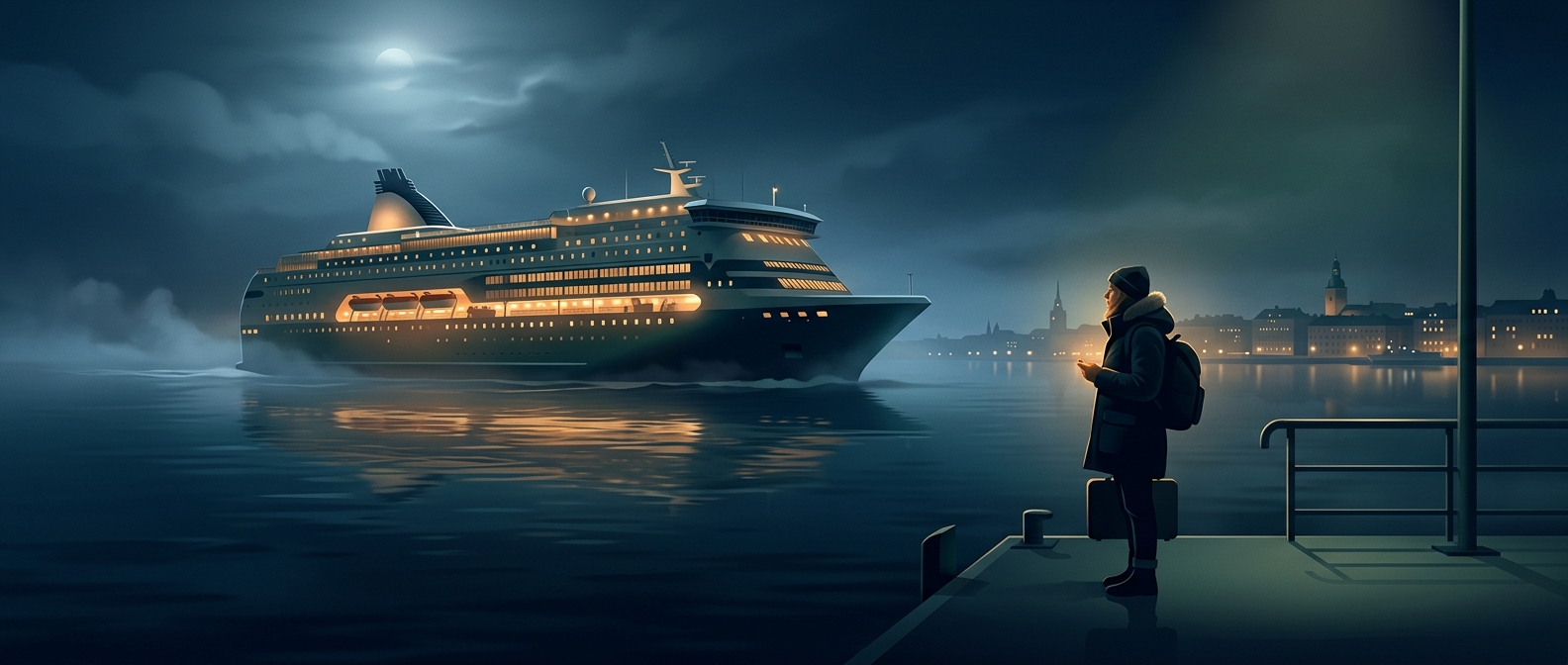
How an overnight ferry turns distance into sleep
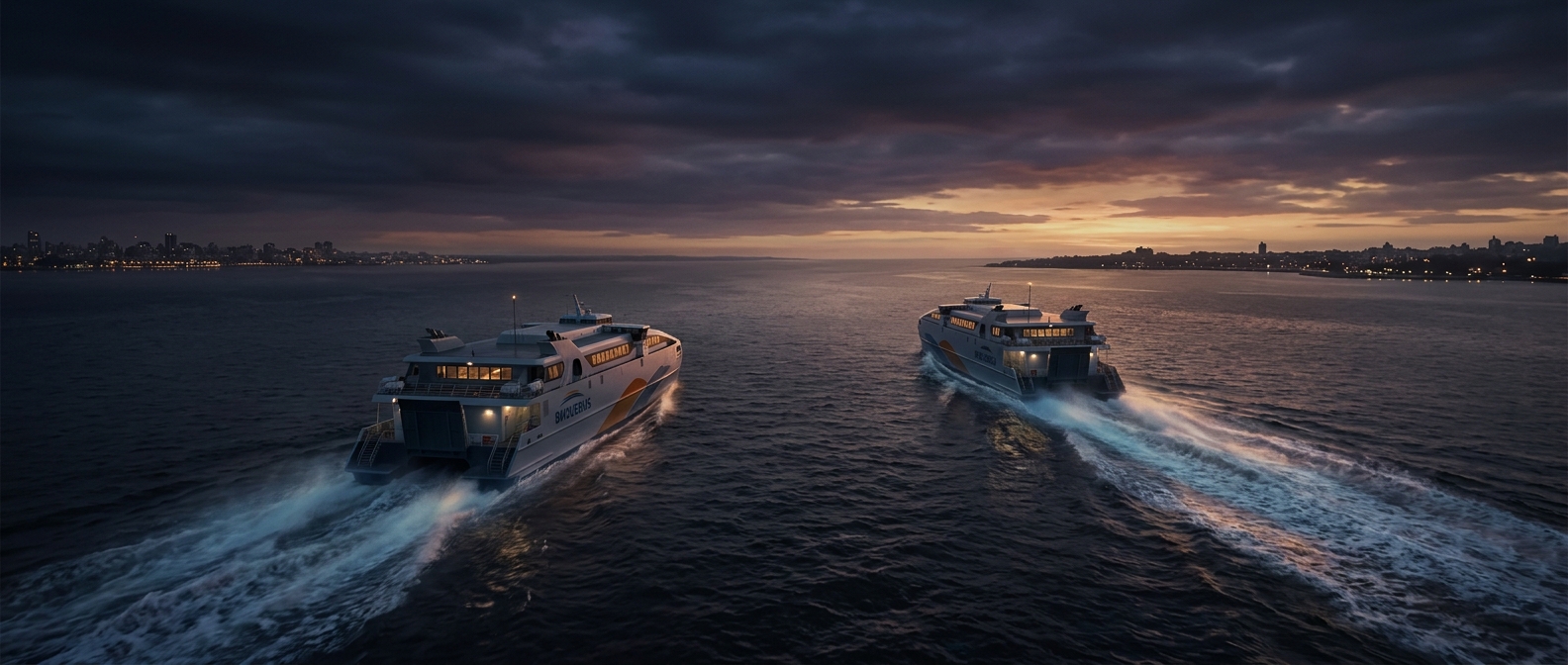
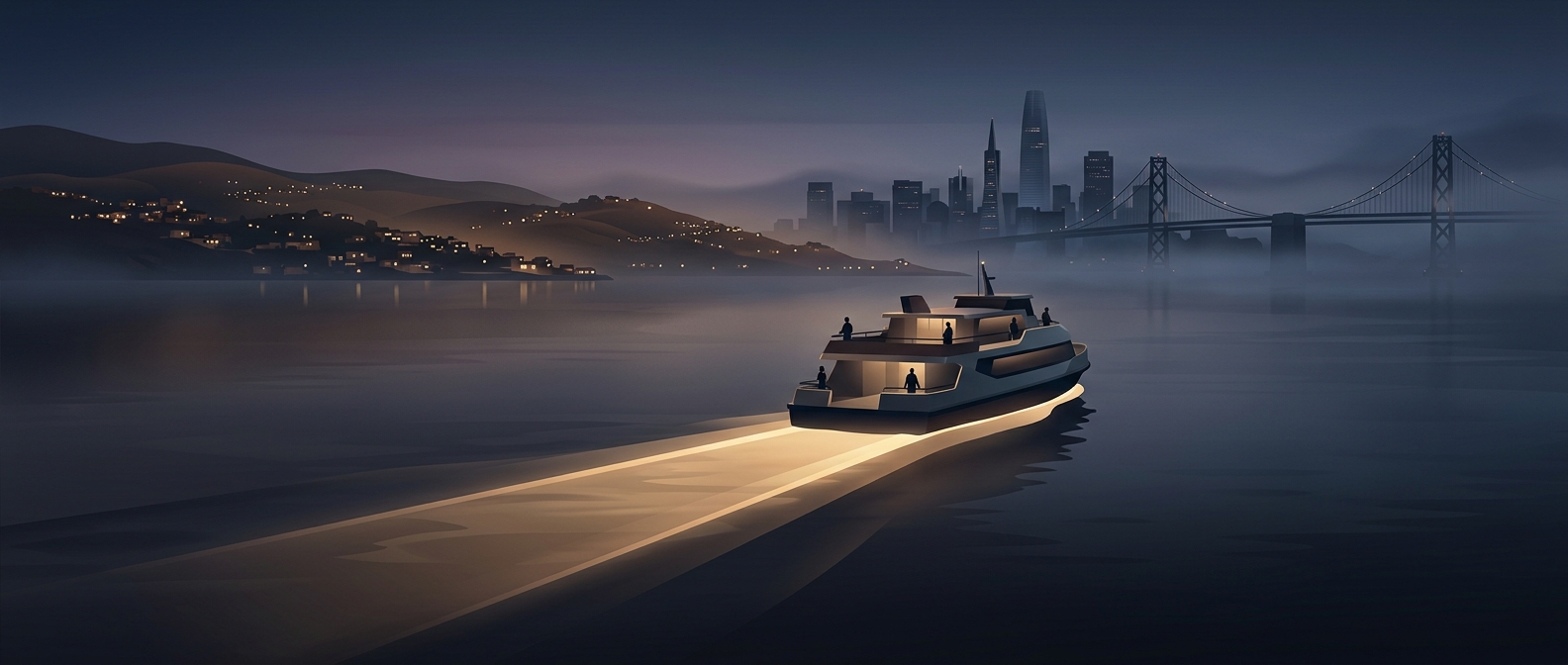
A ferry does not have to race across the water to make an overnight crossing useful. Its timetable is built around the hours passengers would otherwise spend traveling: the ship leaves in the evening, covers the route while most people are asleep, and arrives in the morning. A cabin turns the crossing from time spent waiting in a seat into a night’s rest on board.
The ship is a small moving hotel
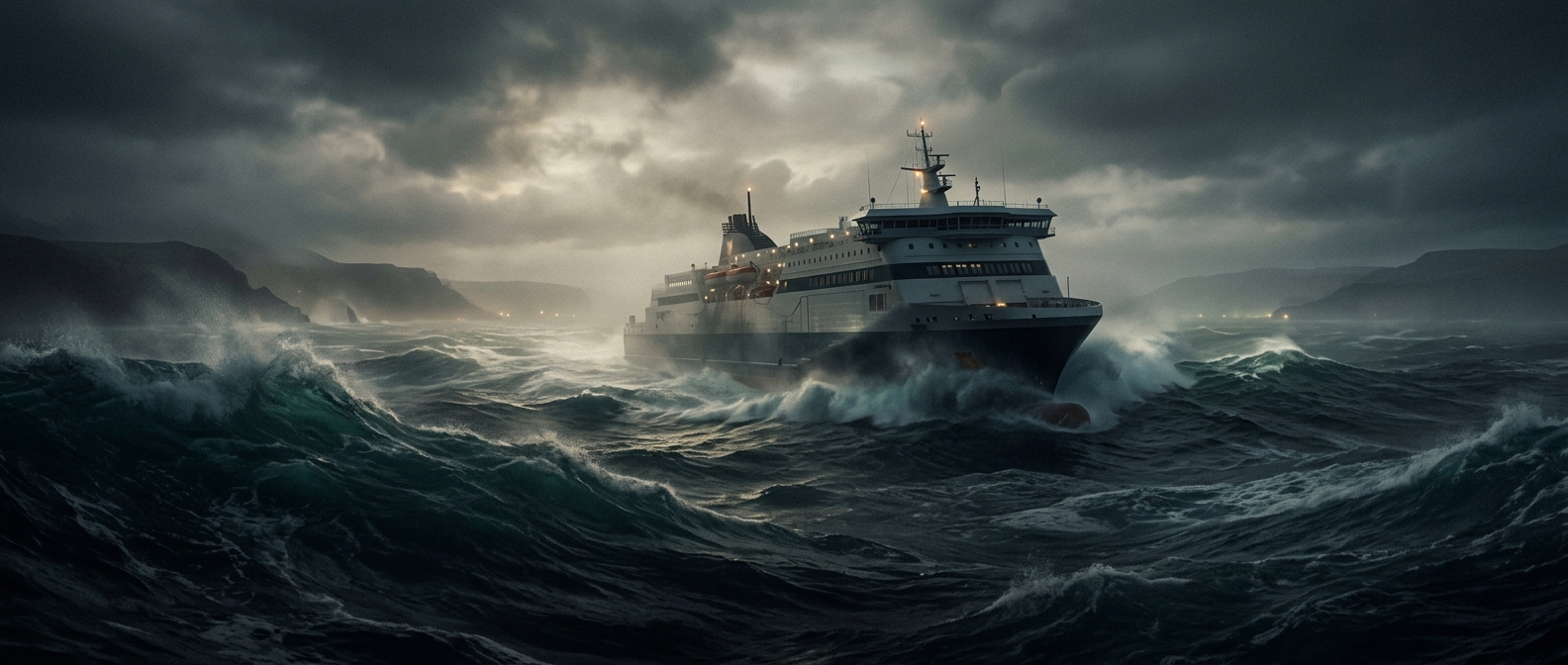
Once underway, the ferry’s engines and navigation systems keep it moving along a planned route, while the crew monitors conditions and prepares for arrival. Passengers can settle into a private cabin or, depending on the ship and ticket, use shared sleeping spaces. Restaurants, lounges and other facilities help make the vessel workable for a long passage, but the cabin is what makes the “sleep through the journey” idea practical: you can close the door, lie down and leave the travel to the crew.
Your luggage travels with you, too. Instead of checking into a hotel at one end and arranging another leg of transport the next morning, you carry your belongings aboard and disembark with them.
Arrival is the payoff—and the tradeoff
The time savings are chiefly about combining two things: transportation and a night’s accommodation. You may wake near your destination rather than spend daylight hours crossing the same stretch of sea. But the crossing still follows a fixed sailing schedule, and the actual journey can take much of the night; it is not a shortcut in distance. Cabin availability and comfort also depend on the vessel and fare.
That makes the ferry especially distinctive at dawn: the sea crossing has happened while you were tucked away below deck, and the next country is waiting at the gangway.