How a Heat Pipe Moves Heat
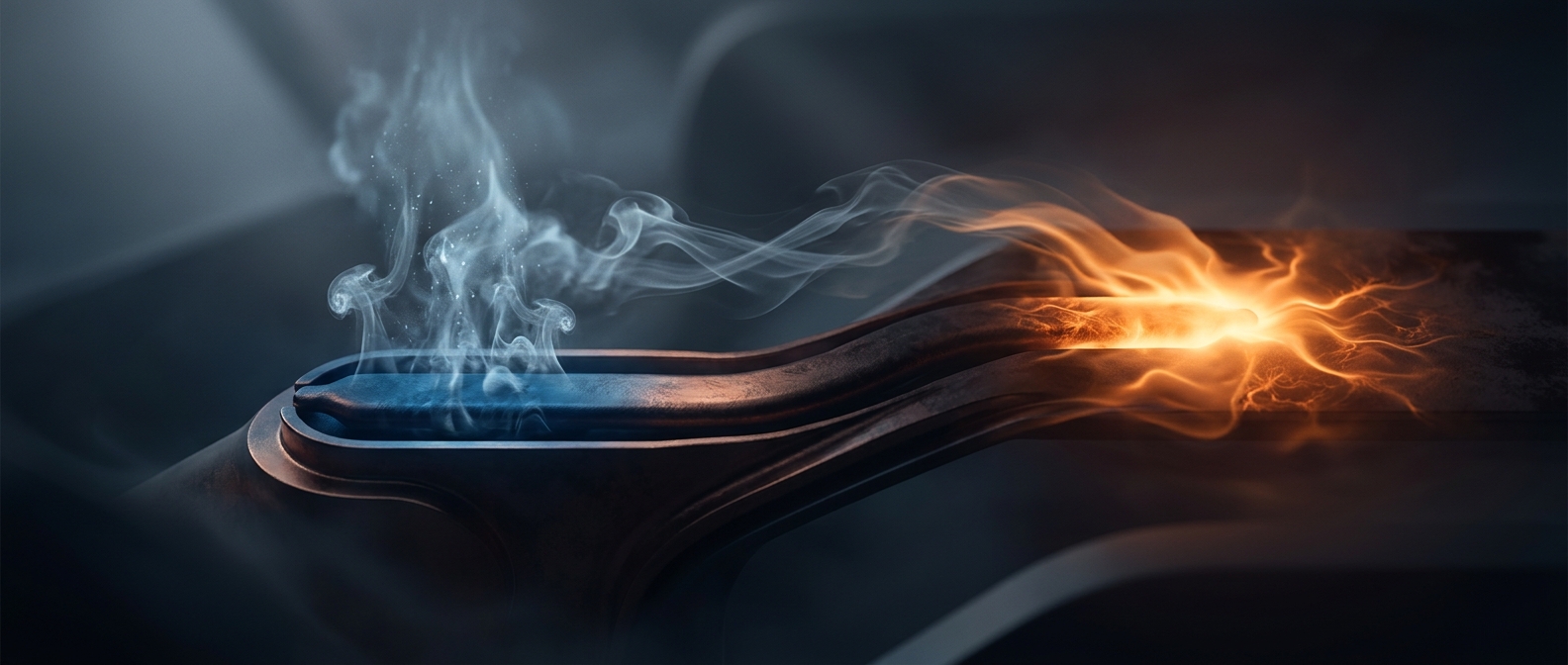
A heat pipe is less like a metal rod conducting warmth and more like a tiny, sealed evaporation-and-rain cycle. Its working fluid—often water, though the choice depends on the pipe’s operating temperature—absorbs heat where the pipe touches a hot component. The liquid boils, and the resulting vapor carries energy through the tube.
At the cooler end, the vapor condenses back into liquid. That change releases the heat it carried, which can then pass into a radiator, heat sink, or other surface. Because evaporation and condensation move energy efficiently, a heat pipe can transport heat along its length faster than a solid copper tube of comparable size alone.
The Return Trip Makes the Cycle Work
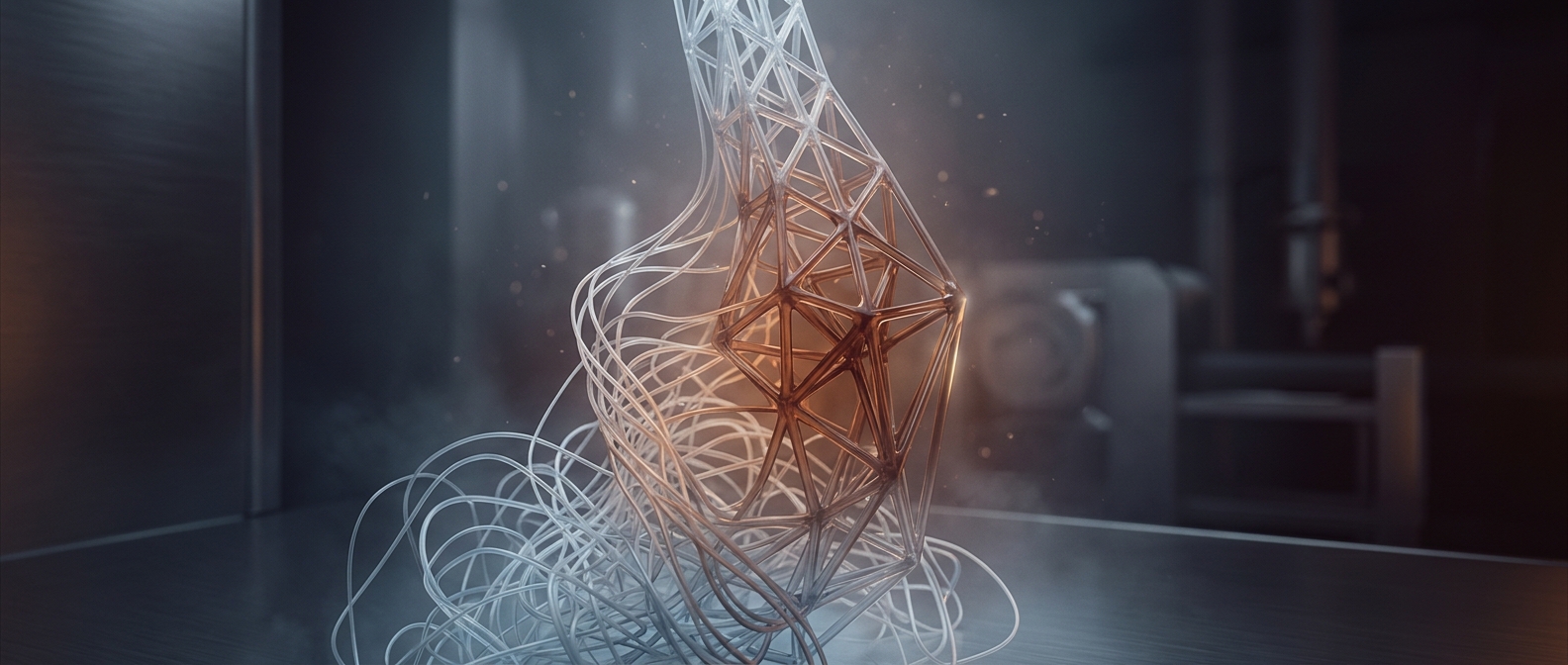
Condensation would soon stop the process if the liquid simply collected at the cool end. Inside many heat pipes, a porous lining called a wick solves that problem. Its tiny passages pull liquid back toward the hot end through capillary action—the same surface-tension effect that draws water into a paper towel. The fluid can therefore circulate without a pump or moving parts.
The sealed tube also lets engineers choose the fluid and internal pressure for the temperatures the device is expected to face. Those conditions determine when the liquid boils and how well the pipe works. A heat pipe is consequently not an unlimited heat conveyor: its capacity depends on its design, orientation, and operating range.
Why the Design Matters
The compact cycle is useful wherever heat must be moved away from a concentrated source without adding a motor. Heat pipes are built into electronics cooling systems and other devices that need to spread heat from a small hot spot to a larger area. Their quiet operation comes from having no pump to run; the motion is supplied by boiling, condensation, and the wick’s return pull.