How melting wax can steady a room’s temperature
The useful trick is not that wax becomes cold. It is that wax can absorb a lot of heat while changing from solid to liquid, with relatively little rise in temperature during the transition. This energy, called latent heat, goes into loosening the wax’s molecular structure rather than immediately making the material hotter.
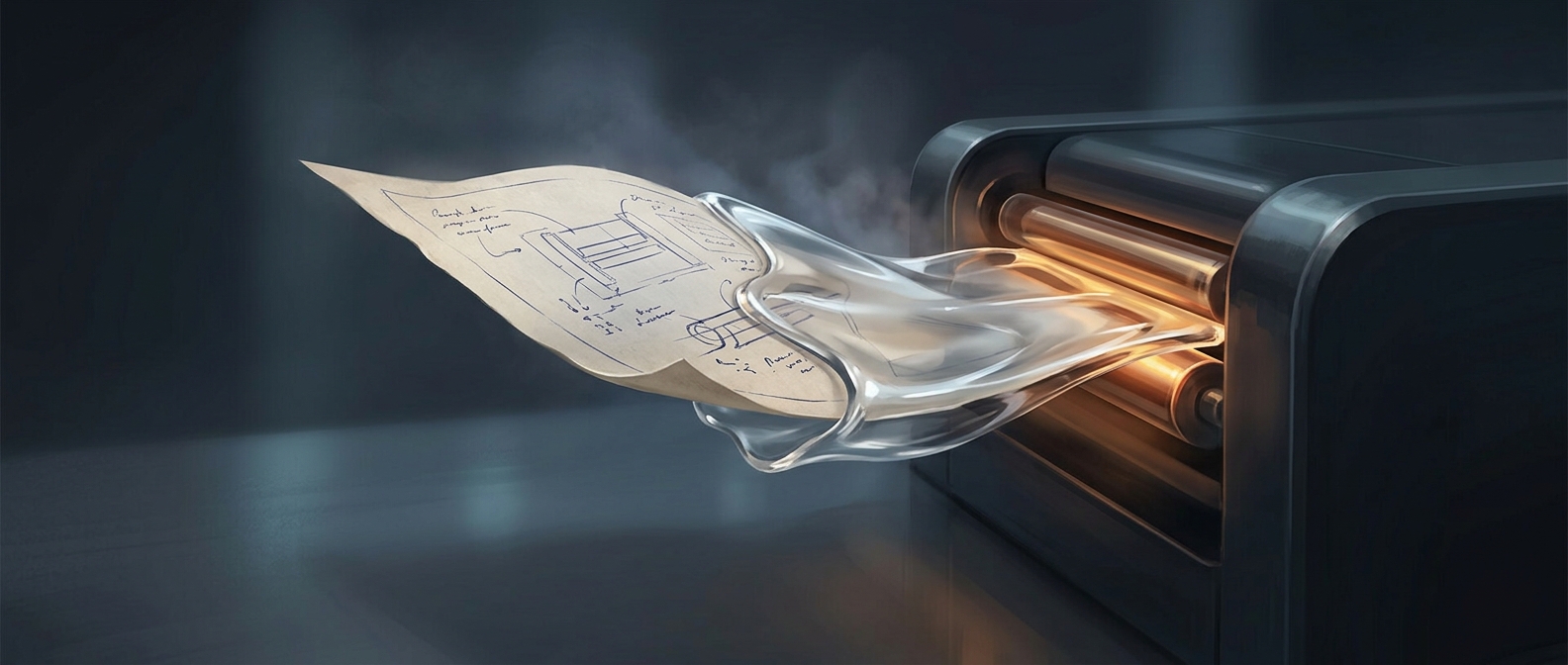
In a room, heat passes into small sealed capsules containing wax chosen to melt within a useful temperature range. As the wax melts, it takes in some of the heat that would otherwise raise the temperature of the surrounding air and surfaces. The capsules act as a temporary heat buffer: they can slow a temperature increase, but they do not remove heat from the building the way an air conditioner does.
The cooling cycle has a limit
Once the wax has melted, its capacity to absorb heat through melting is used up. It can still warm further, but it no longer provides the same buffering effect. To reset it, the capsules must later lose heat to cooler surroundings. As the wax solidifies, it gives that stored heat back to the room—or to whatever cooler space the system is connected to.
That makes timing and placement important. A cooler night can help the wax solidify again before the next warm period; if the room stays warm, the material may remain liquid and offer little benefit the following day. The capsules also need good contact with moving air or another heat-conducting surface so heat can reach the wax.
The result is best understood as a shift in when heat affects a room, not an endless source of cooling. A wall panel or ceiling layer containing the capsules can absorb part of a daytime heat load and release it later, when ventilation or cooler outdoor air can carry that heat away.