Six Hours Later, Much of the Caffeine May Remain
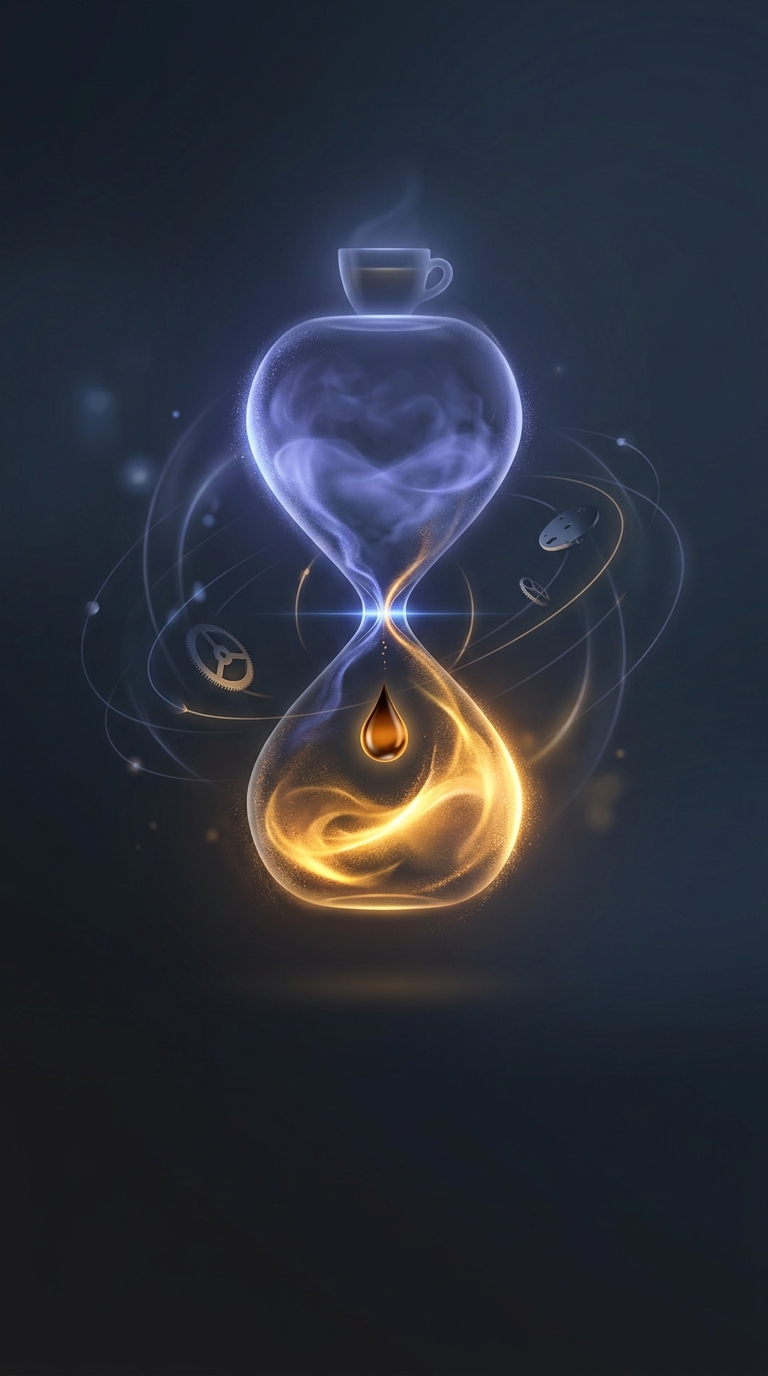
Caffeine does not switch off when its noticeable buzz fades. Your liver gradually breaks it down, and the half-life—the time it takes your body to clear half a dose—is often around five hours, though it varies from person to person.
Using that rough average, about 40% of the caffeine from a 3 PM coffee could still be in your body at 9 PM. That is an estimate, not a precise reading: caffeine can take roughly 30–60 minutes to reach its peak in the bloodstream, and its clearance rate differs among people. A “large” iced coffee also has no standard caffeine dose; the amount depends on the drink and how it was made.
Why You Might Feel It at Bedtime
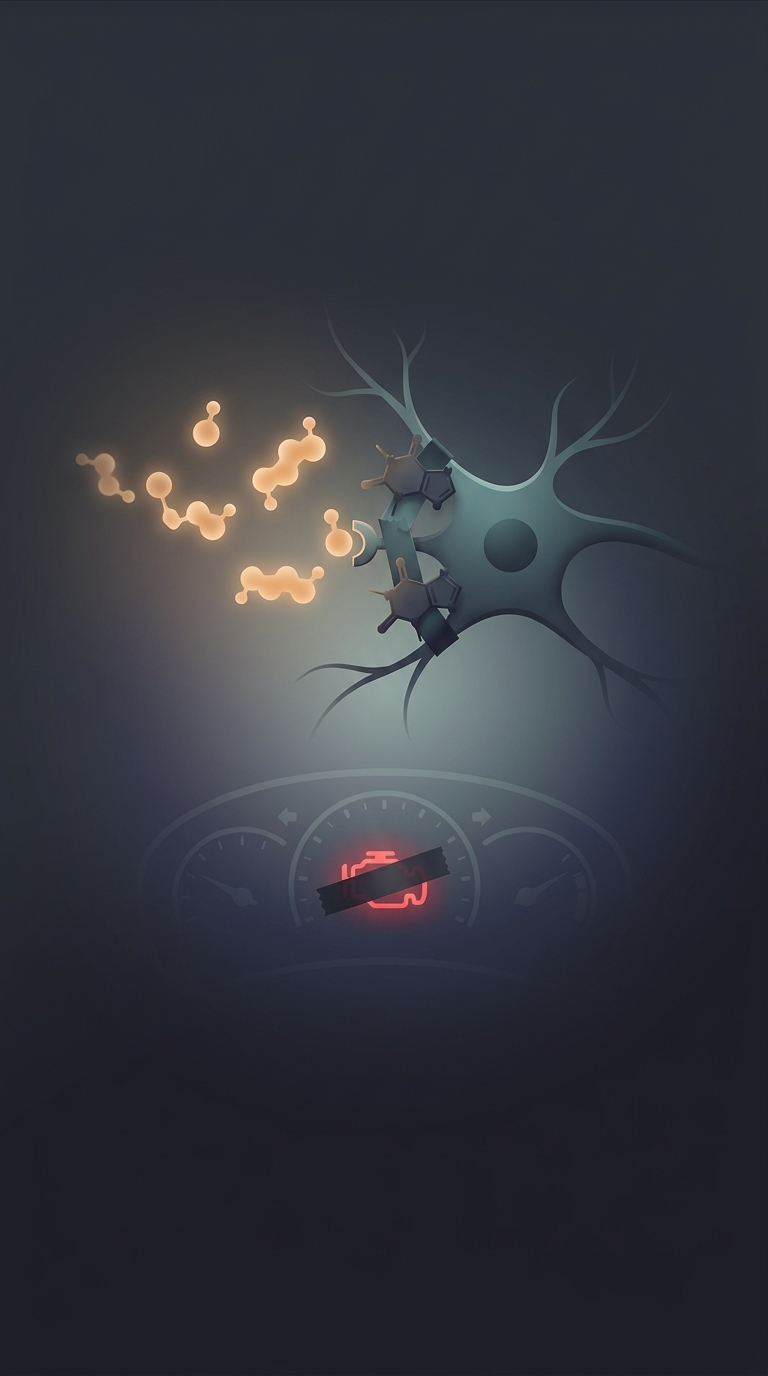
The remaining caffeine can still interfere with sleep even if you no longer feel energized. Caffeine blocks adenosine, a chemical signal that builds up while you are awake and contributes to sleepiness. As the caffeine level falls, that signal gradually has more room to act—but the process takes time.
So a large afternoon coffee may leave a meaningful amount in circulation at bedtime. The exact effect depends on the drink’s caffeine content and your body’s rate of clearance; pregnancy and some medicines, for example, can slow caffeine breakdown. At 9 PM, the coffee may feel like a memory while its effects are still quietly working against sleep.