Why Medieval Writers Blamed Demons for Emissions During Sleep
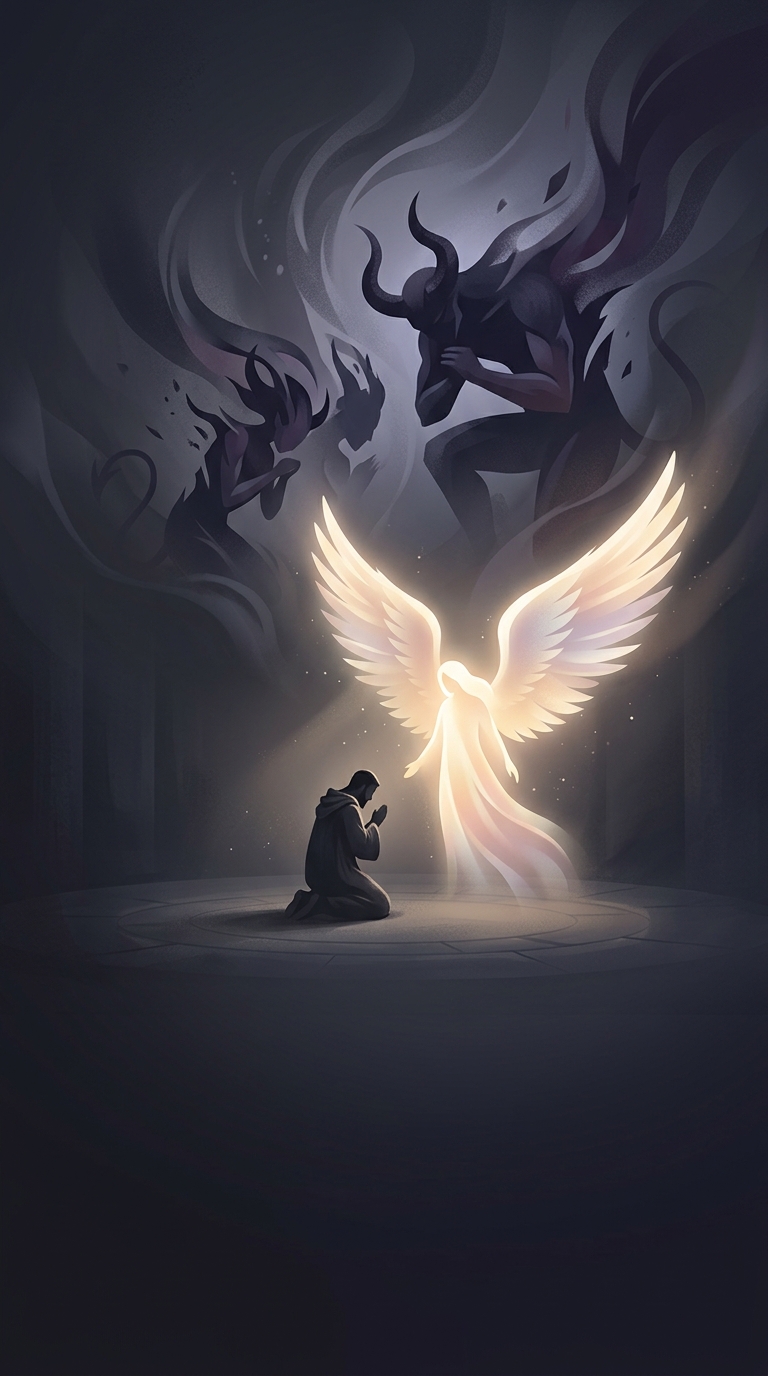
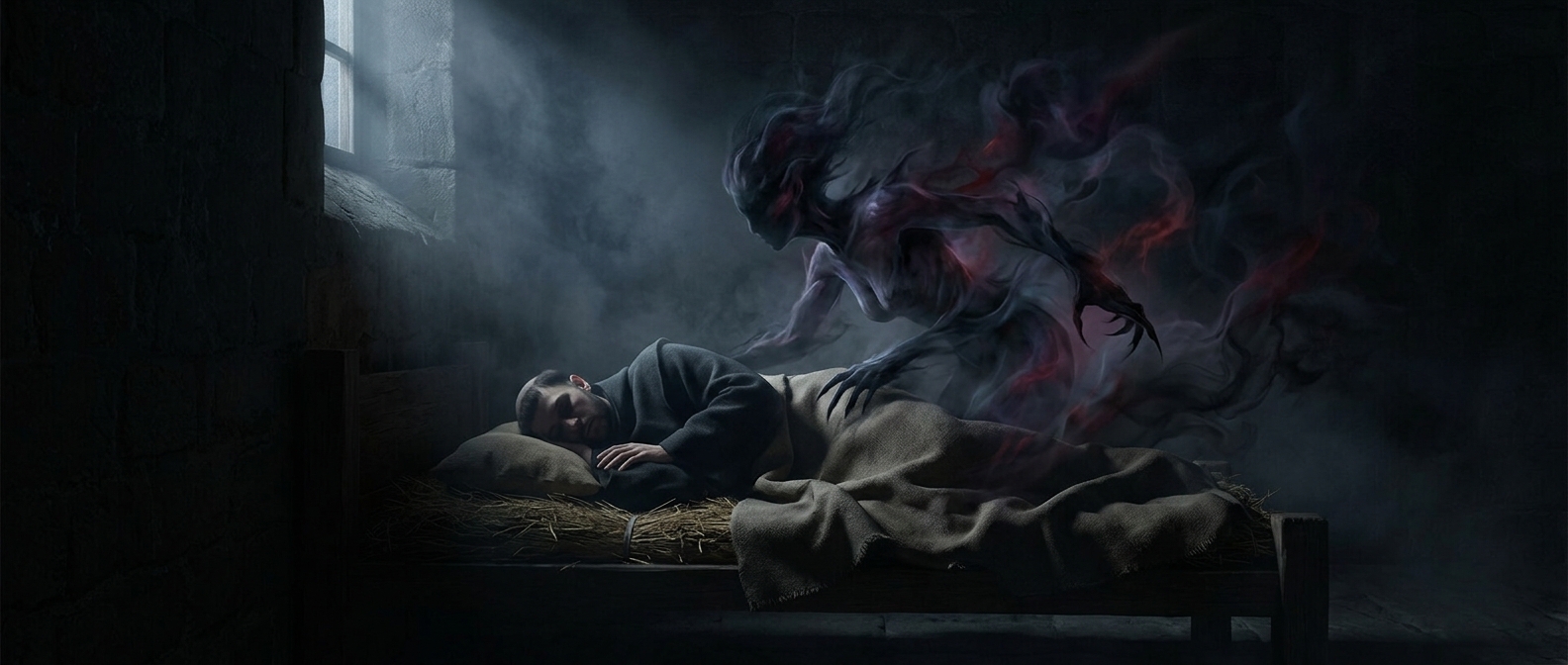
For medieval monks, an emission during sleep could be more than an embarrassing bodily event. It raised a spiritual question: had the sleeper consented to a sinful thought or act? In Christian teaching, intention mattered, but a person asleep could not choose what happened in a dream. Describing the experience as an assault by a demon offered a way to distinguish an involuntary event from deliberate wrongdoing.
Incubi, Succubi, and the Vulnerable Sleeper
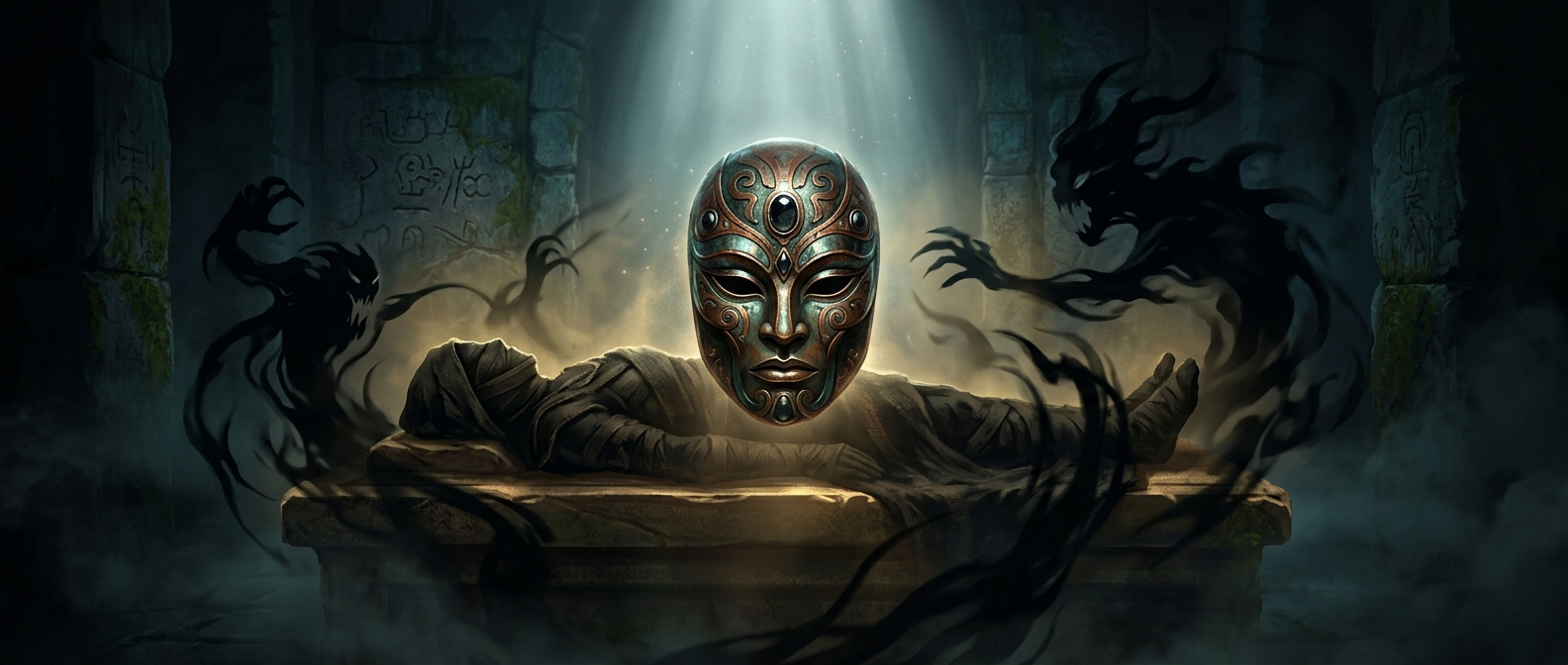
An incubus was imagined as a male demon who visited women; a succubus was its female counterpart, said to visit men. These beings belonged to a wider tradition of supernatural night visitors. Their stories gave frightening or confusing experiences a recognizable cause: a presence came to the sleeper, acted upon the body, and left the person with little control.
The explanation also reflected a religious worldview in which spiritual danger could intrude into ordinary life. Monastic writers were especially attentive to temptation and self-discipline, so nocturnal emissions could be discussed as a threat to purity even when the sleeper was not awake to choose them.
A Moral Explanation, Not a Bodily Mechanism
The demon account did not describe how the body produced an emission. It interpreted what the event meant. That distinction mattered: if the cause was an external assault, the sleeper might be understood as a victim rather than as someone who had intentionally broken a vow.
Today, nocturnal emissions are understood as ordinary involuntary bodily events, not evidence of supernatural visitation. The medieval demon story is revealing for a different reason: it shows how people used the religious and moral ideas available to them to make sense of experiences that happened beyond conscious control.