Why urate crystals form in a joint
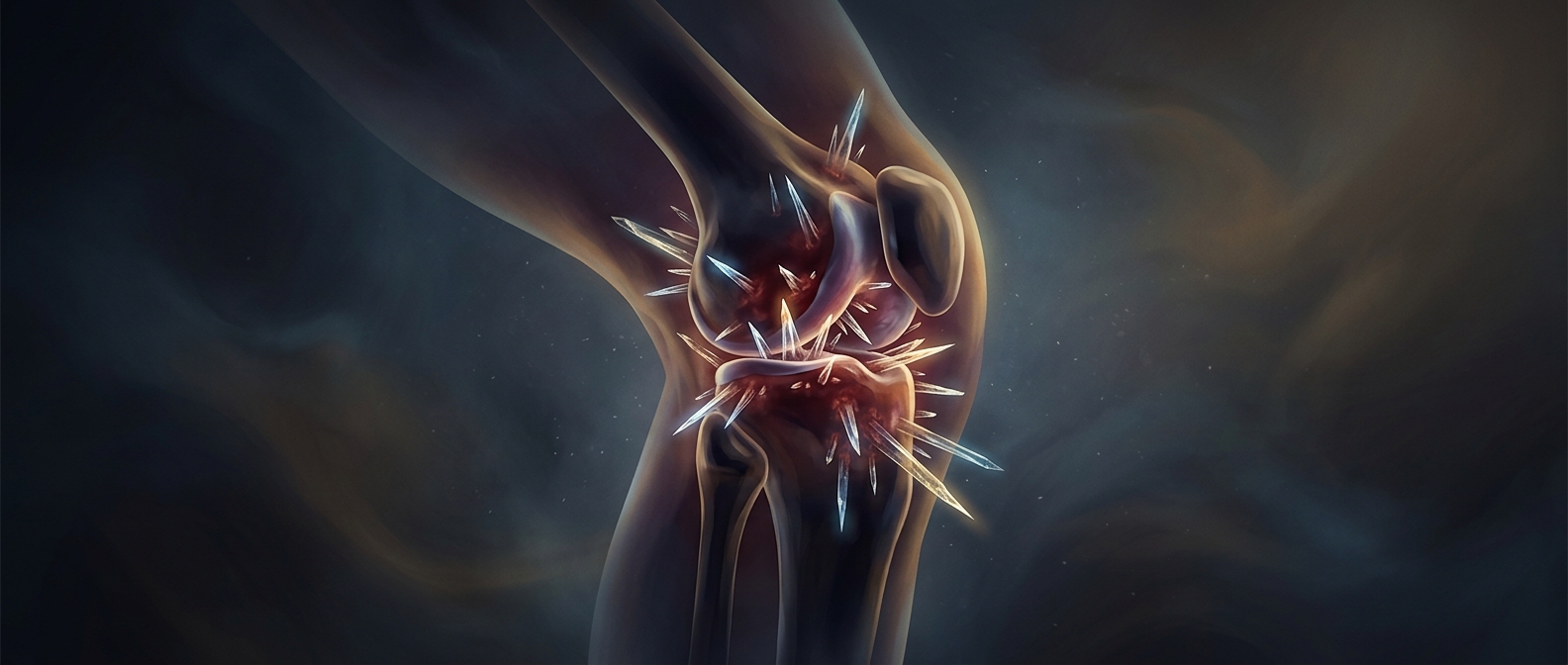
Uric acid is the end product of the body’s breakdown of purines, compounds found in our cells and in many foods. It normally travels in the blood and leaves the body mainly through the kidneys. When the level stays too high, uric acid can become less soluble and form solid crystals of monosodium urate—especially in cooler areas such as the big toe.
A high blood level does not guarantee a flare: crystals may collect quietly for years. But once they are present, a change in the joint or the body’s chemistry can disturb them and set off an attack.
The immune system mistakes crystals for trouble
Immune cells treat the sharp-edged crystals as foreign material. They surround and ingest them, activating inflammatory signals that summon more immune cells and increase swelling, warmth and tenderness. This response can escalate quickly, making an ordinary touch feel unbearable. The crystals are the trigger; much of the immediate pain comes from the inflammation the body builds around them.
A flare can ease as that response settles, even though crystals remain in the joint. That is why pain disappearing does not necessarily mean the underlying buildup has gone away. Over time, repeated crystal deposits can damage joints or collect in firm lumps under the skin, called tophi.
Calming the flare is not the same as clearing crystals
Treatments for an acute attack work by reducing inflammation. Long-term urate-lowering treatment has a different aim: keep uric acid low enough that existing deposits gradually dissolve and new ones are less likely to form. The distinction matters: one approach quiets the alarm; the other addresses what keeps setting it off.