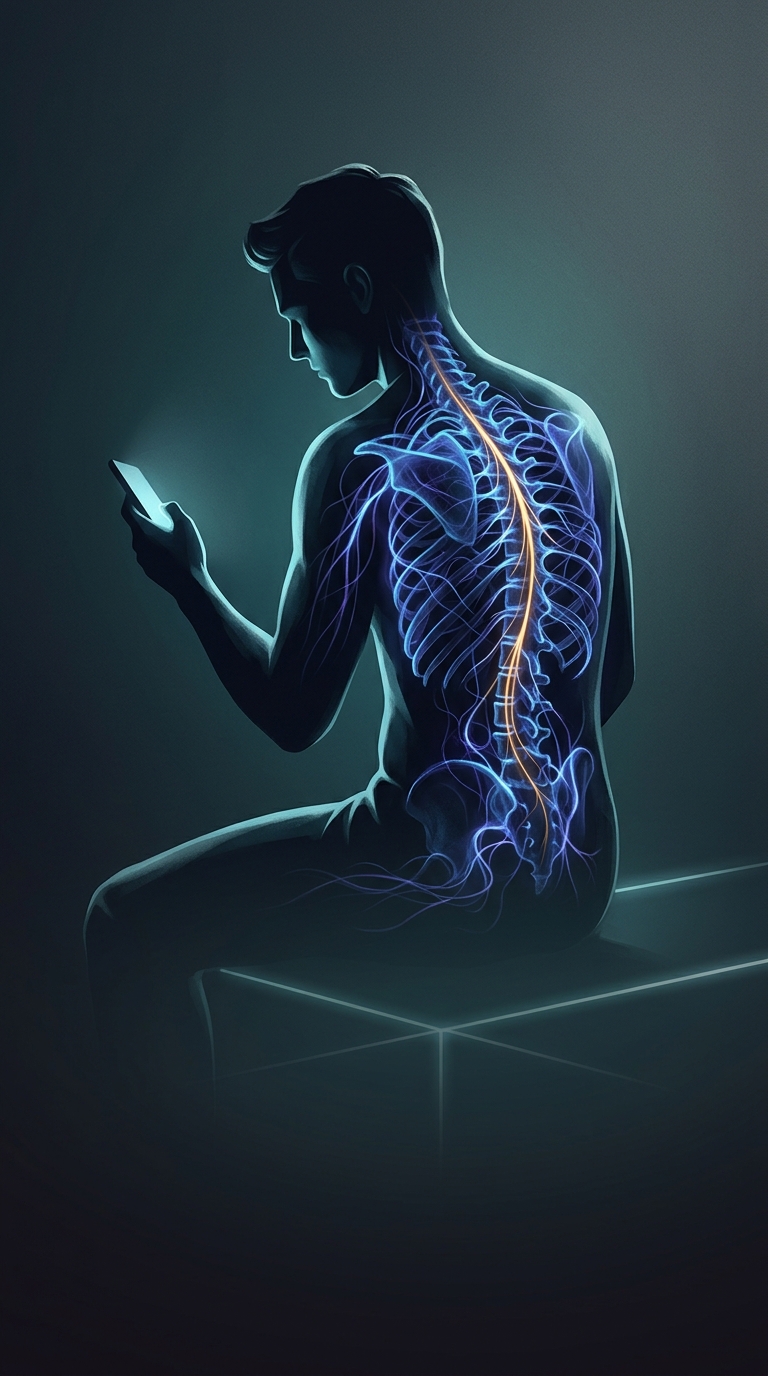
Chronic back pain rarely has one primary cause
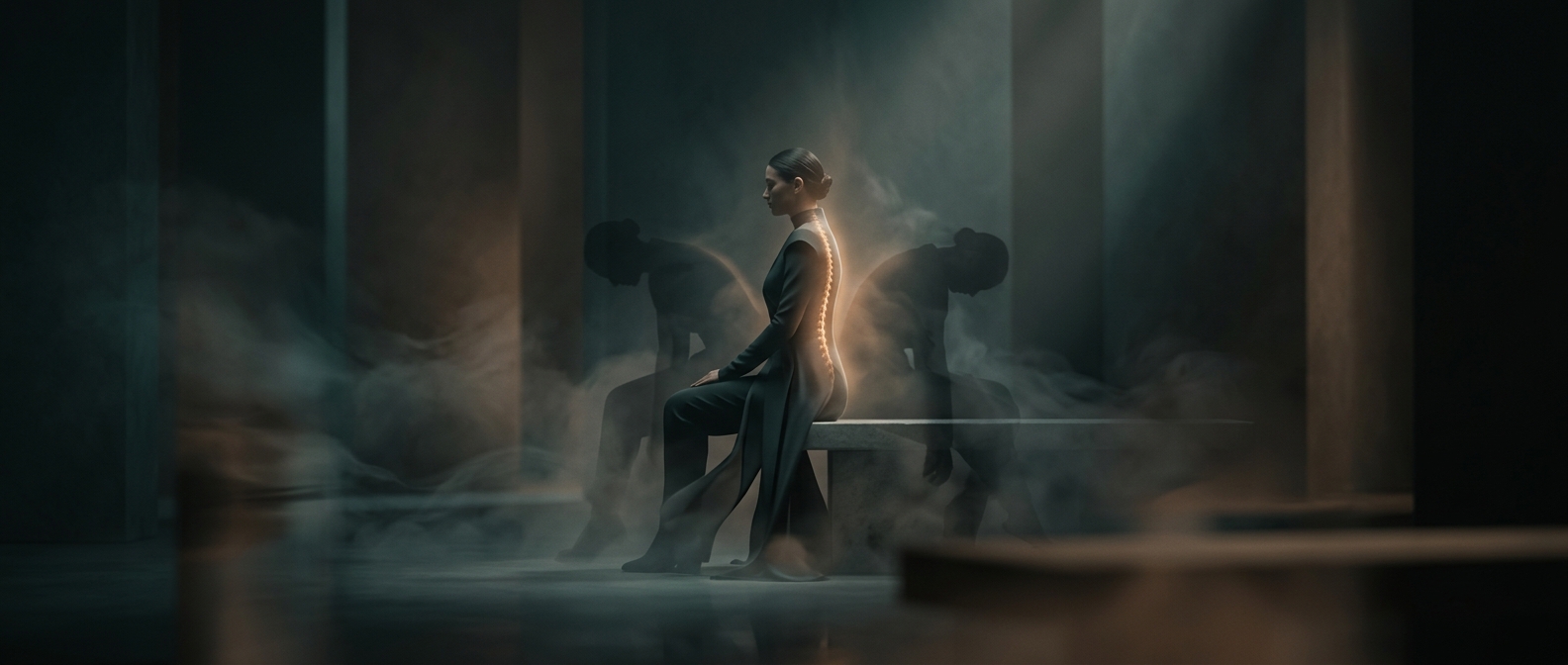
For many people with persistent back pain, clinicians cannot identify a single damaged structure that explains the pain. A muscle, joint, or disc may contribute, but scans often show changes in people who feel no pain at all. Pain intensity therefore does not map neatly to how “bad” the spine looks.
A more useful explanation is that pain can persist through a mix of physical and nervous-system factors. After an injury or period of strain, nerves may become more responsive, so ordinary movement or pressure feels more threatening than it once did. This increased sensitivity is real; it does not mean the pain is imagined. It can also coexist with an ongoing tissue problem, which is why persistent or changing symptoms deserve individual assessment.
Why posture is only part of the story
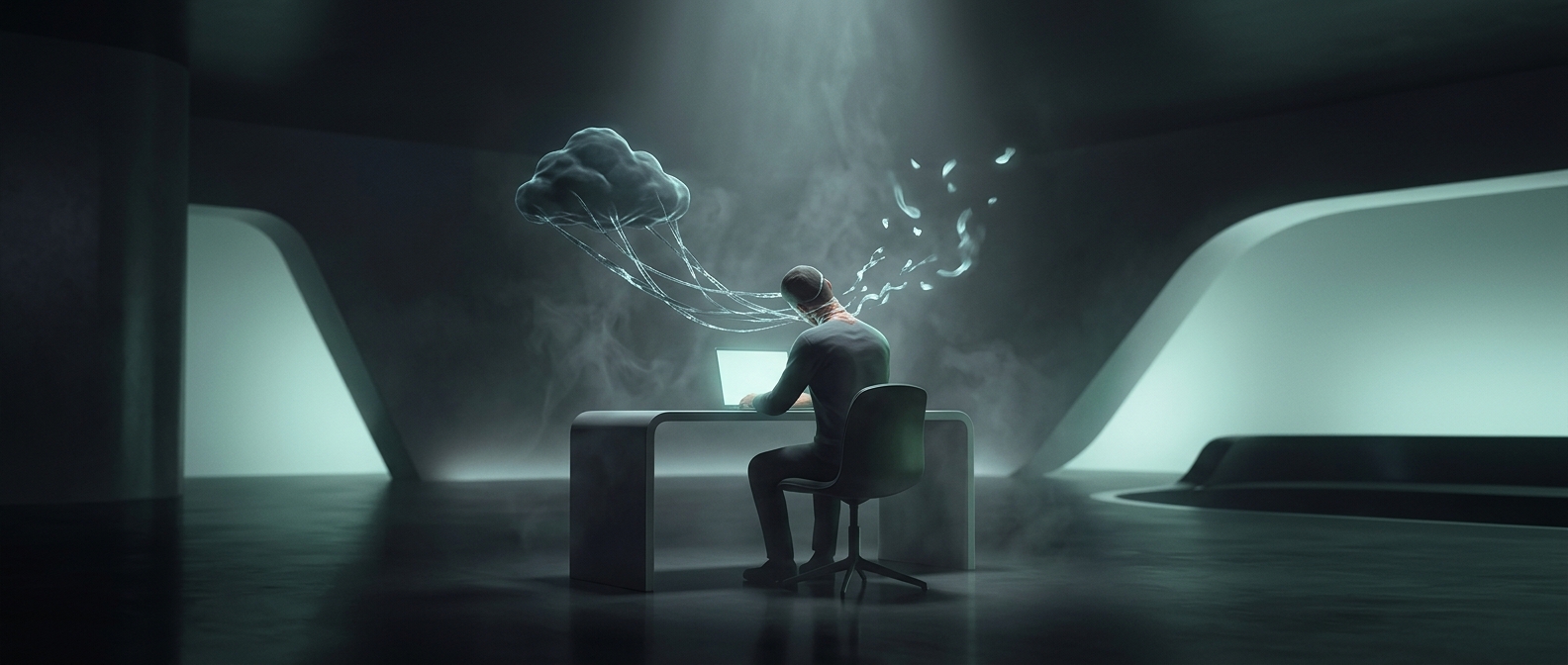
Sitting or standing in one position for a long time can make a back feel sore, and a particular posture may aggravate symptoms. But there is no single “perfect” posture that prevents chronic pain. The back is built to move and adapt; staying in any position for hours can be uncomfortable, even when that position is not causing damage.
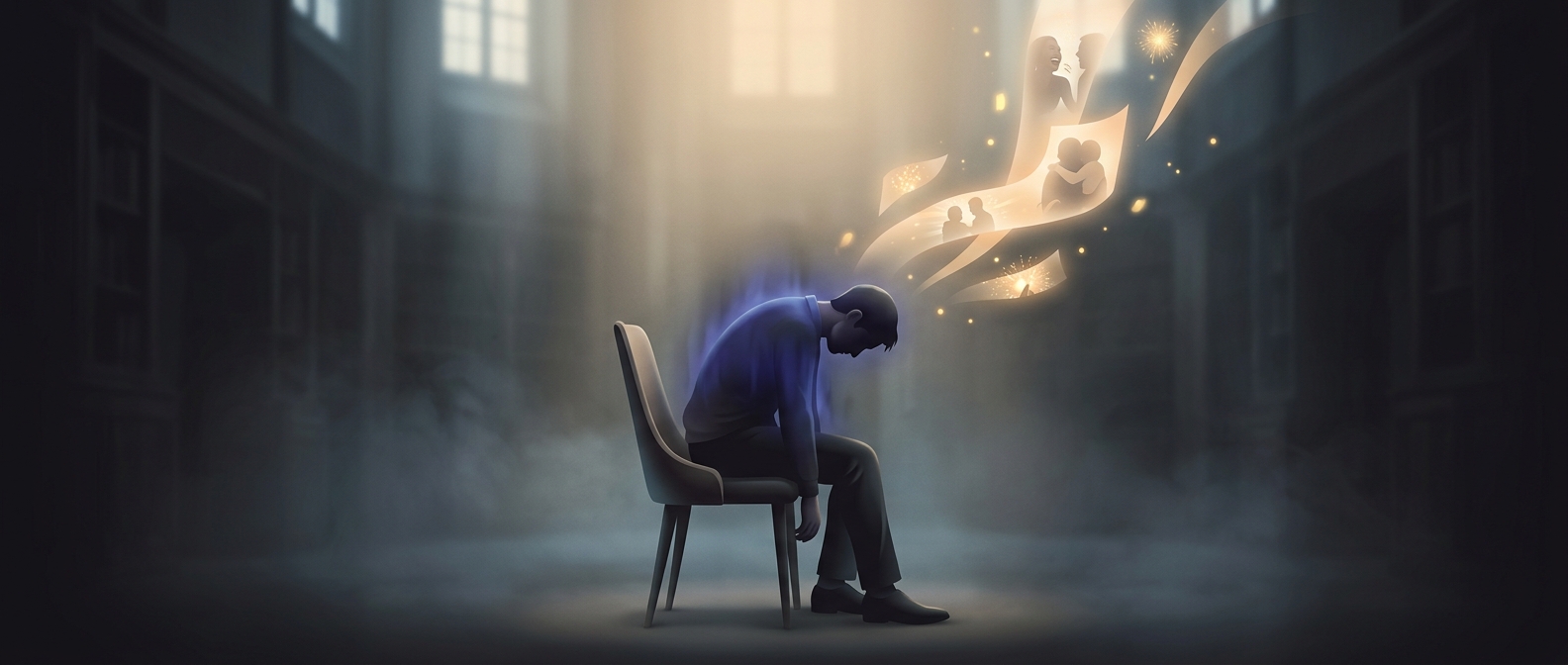
Stress, poor sleep, fear of movement, and reduced activity can also influence how strongly the nervous system processes pain. These factors do not make pain a matter of attitude. They can form a feedback loop: pain disrupts sleep and movement, and the resulting fatigue or loss of confidence makes everyday activity harder.
What that means in practice
Instead of treating slouching as the culprit, care often focuses on keeping the body moving within tolerable limits, rebuilding strength and confidence, and addressing obstacles such as disrupted sleep. The right plan depends on the person and on whether there is a specific medical cause.
The practical takeaway is simple: a sore back is not proof that someone has damaged it by sitting “wrong.” Changing position may help comfort, but lasting improvement usually means looking at the whole pattern—not just the angle of the spine.