Turning a moving ride into heat
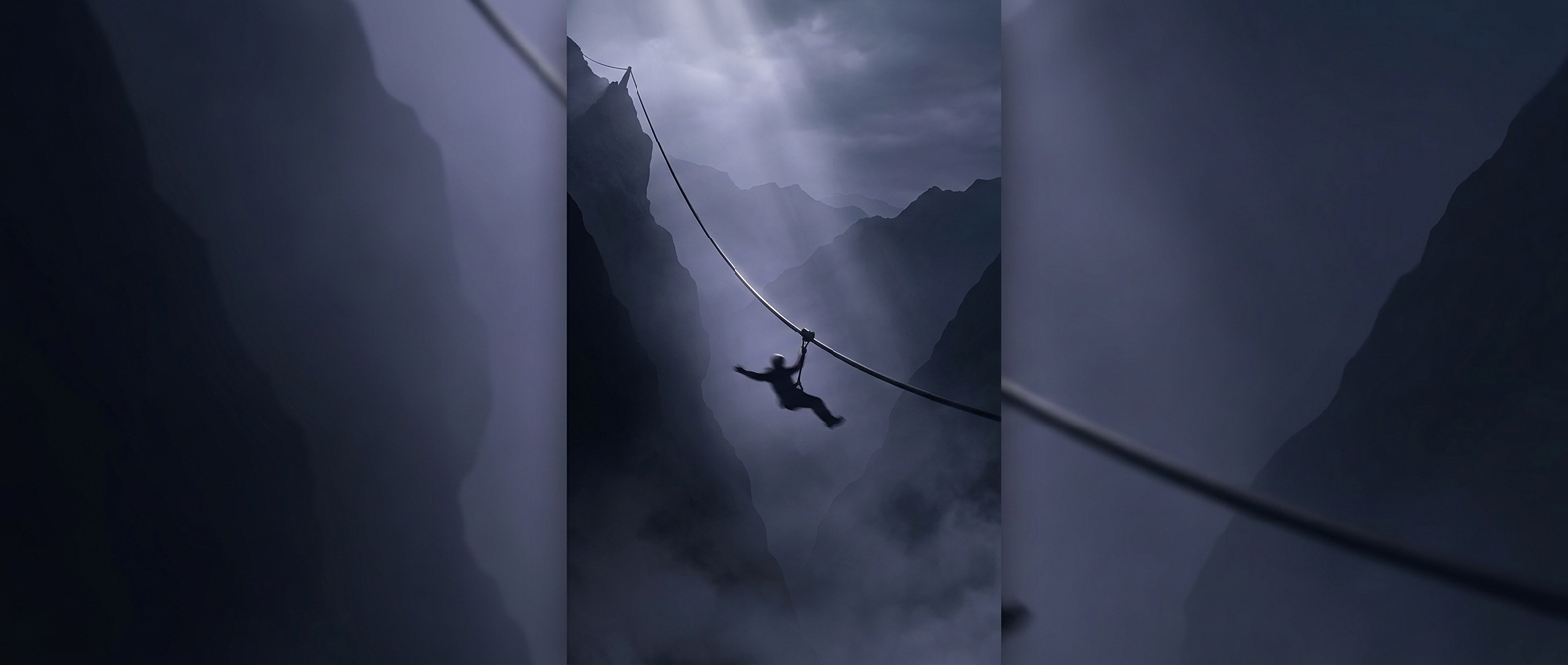
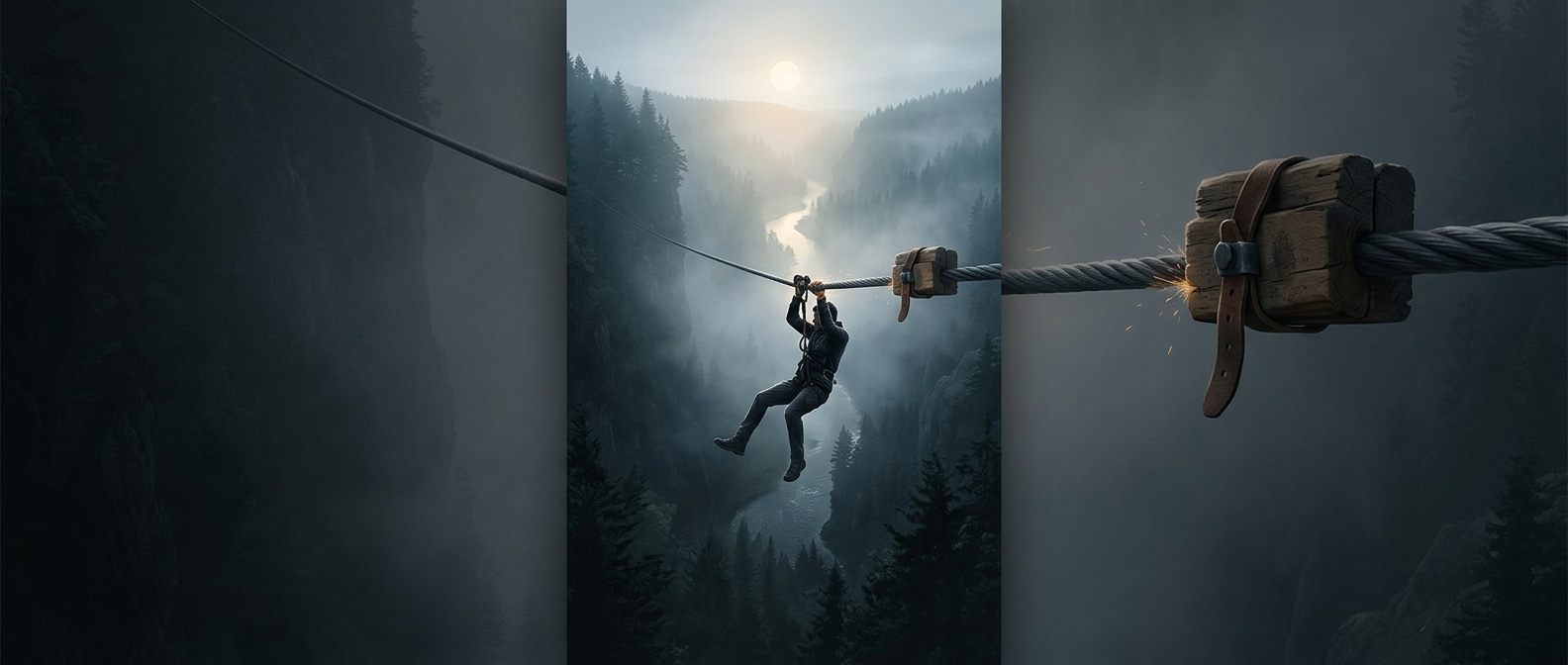
A zipline rider keeps moving because gravity pulls them down the sloping cable. To slow down, a gloved hand presses against the cable. That contact creates friction: the cable resists sliding, converting some of the rider’s motion into heat at the point where glove and wire meet.
The harder the hand presses, the greater the braking force can be. But braking is not simply a matter of squeezing as hard as possible. The rider needs to apply pressure in a controlled way, so the slowdown is manageable rather than abrupt.
Why the glove matters
The glove sits between skin and cable, taking the rubbing and heat that bare skin would have to endure. Leather is useful because it can withstand that contact better than skin, but it still wears down. Repeated braking can leave a glove scuffed or damaged, so its condition matters as much as its ability to grip.
The same friction that makes hand braking work also creates its main tradeoff: more contact means more slowing, but also more heat and abrasion. A rider therefore depends on both technique and protective gear—not just on the cable’s slope—to control the ride.
A simple brake with a real limit
Unlike a brake that clamps onto a wheel, this method uses the rider’s hand directly against the line. Its simplicity makes the mechanism easy to understand, but it also puts the braking surface close to the person using it. The glove is not an accessory to the brake; it is the part that lets a hand safely apply friction to a moving cable.