The cable is a loaded bridge, not a simple straight line
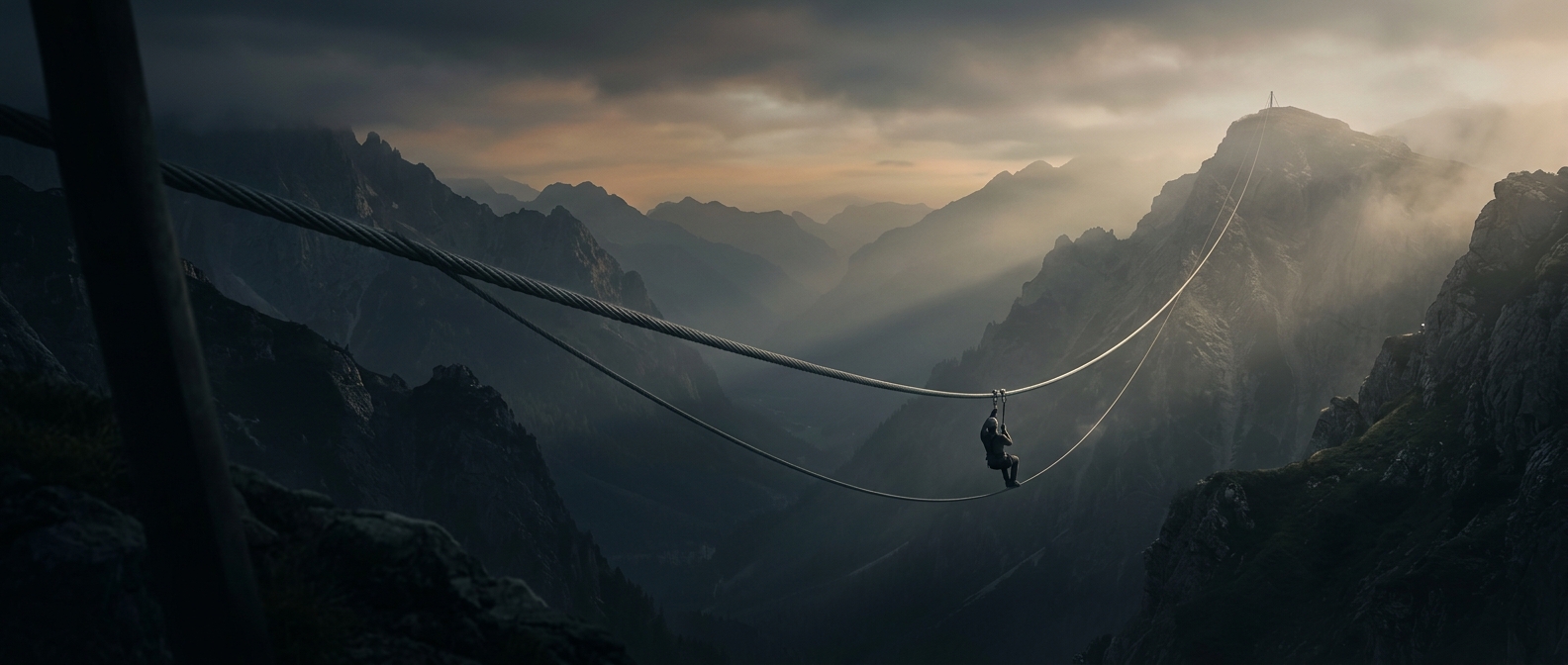
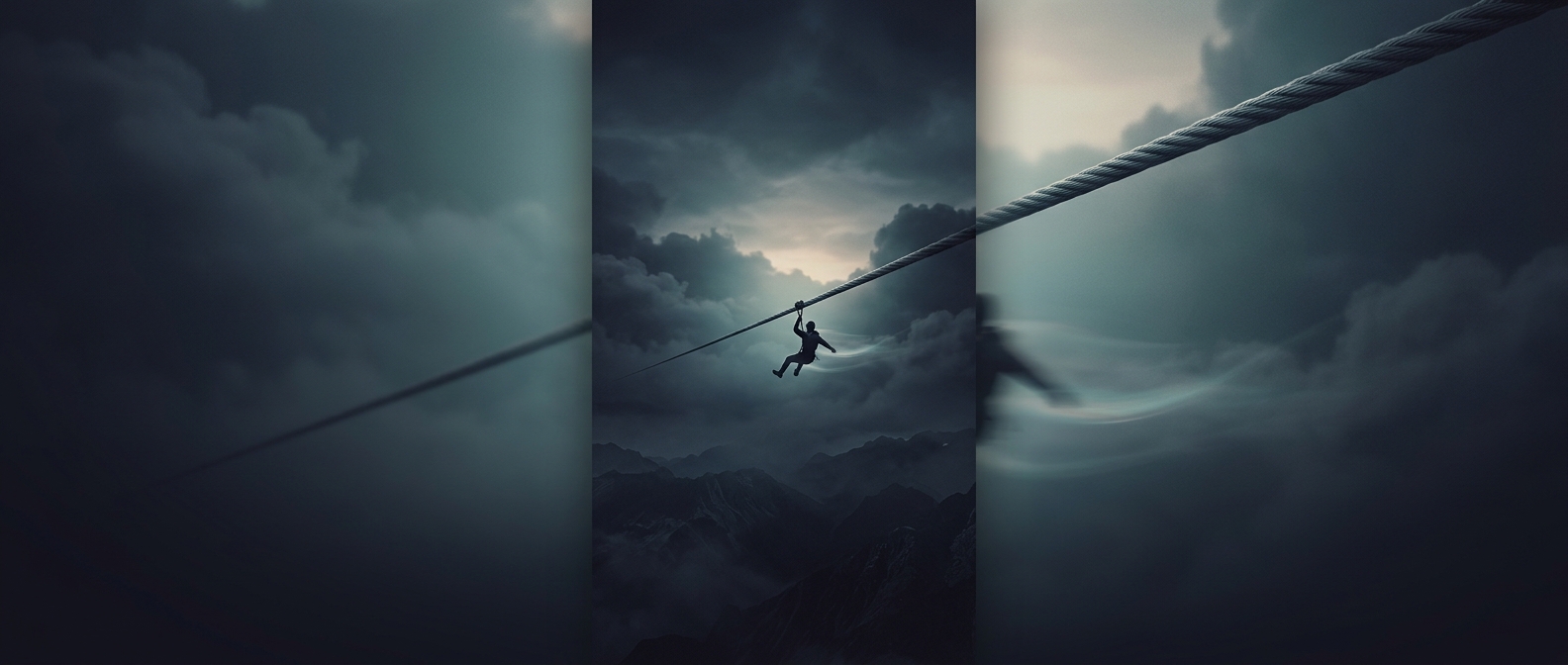
A zip line may look like a taut track, but its cable bends under the weight of the rider. That dip—called sag—is part of the engineering. The cable and its anchors must carry not only the rider’s weight but also changing forces as the rider starts, moves, and slows. A steeper or longer route can make the ride faster, but it also changes the loads the system must handle.
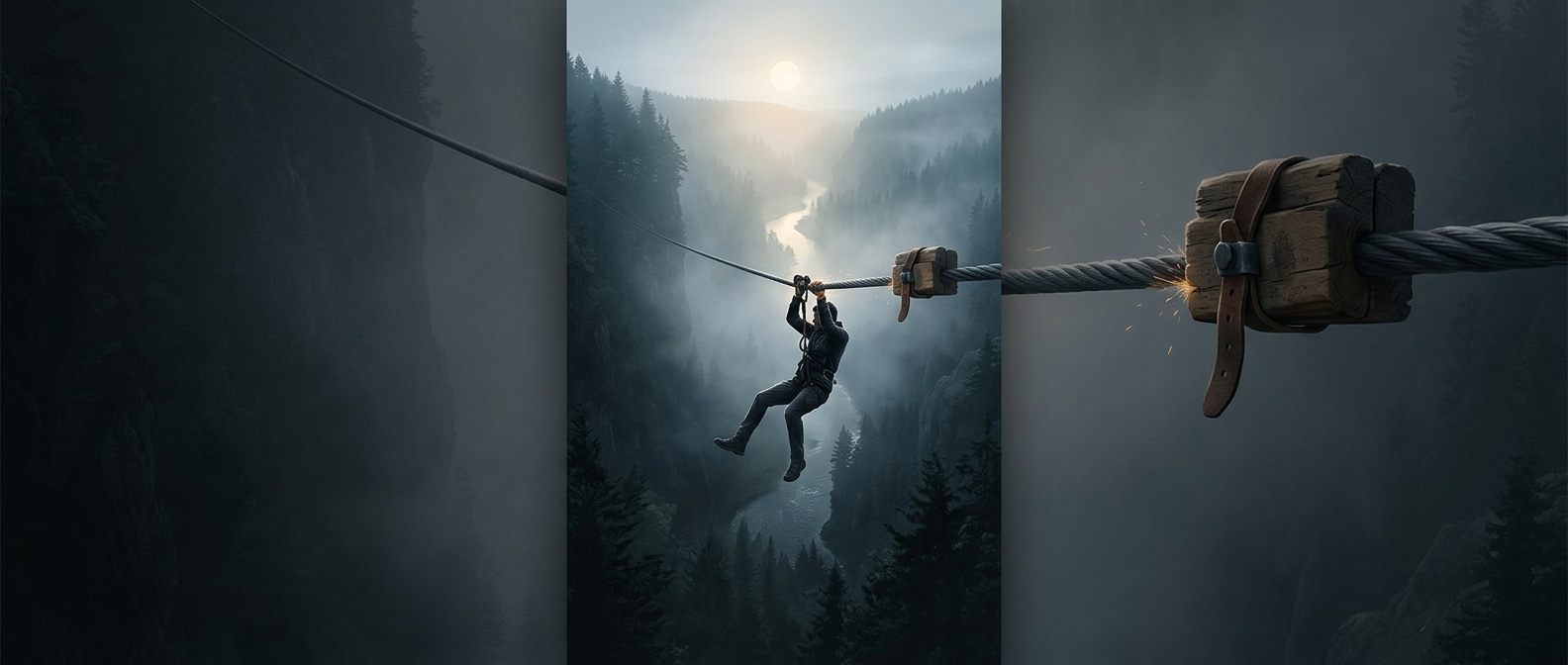
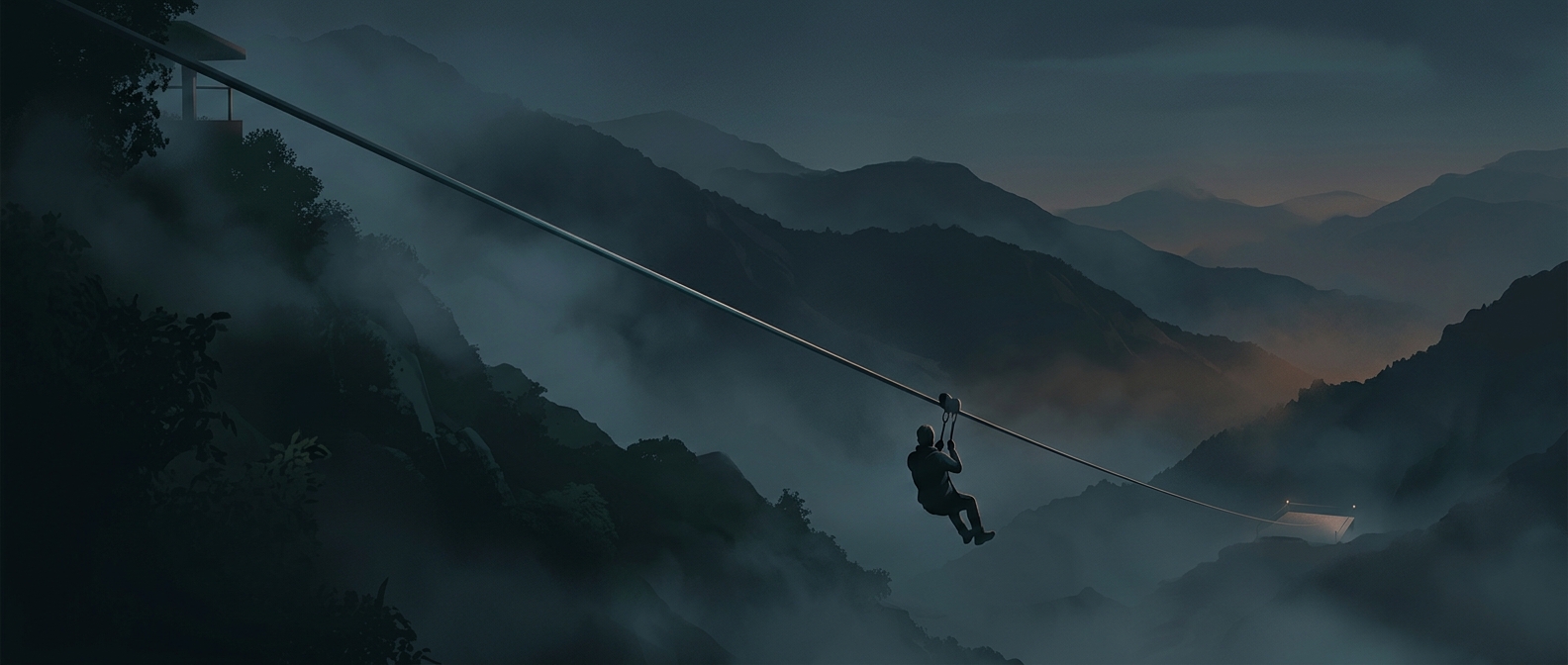
The pulley rolls while the harness hangs below it, keeping the rider attached as the cable curves. The rider’s path follows the cable’s slope: gravity pulls more strongly along a steep section than along a shallow one. Air resistance and friction oppose the motion, so the ride does not accelerate without limit.
The finish is an energy-management problem
At the end, the rider still has motion to lose. A braking system must absorb that energy over a controlled distance; stopping too abruptly would create a hard jolt, while stopping too late could let the rider reach the end of the line at excessive speed. The exact brake design varies, but its job is to make the transition from moving to stationary gradual and predictable.
That is the central design tradeoff: a route needs enough slope to keep the rider moving, but its geometry and braking must keep the finish manageable. The cable’s curve, the rider’s speed, and the stopping system are therefore parts of one ride—not separate details.