A pack animal built for the route
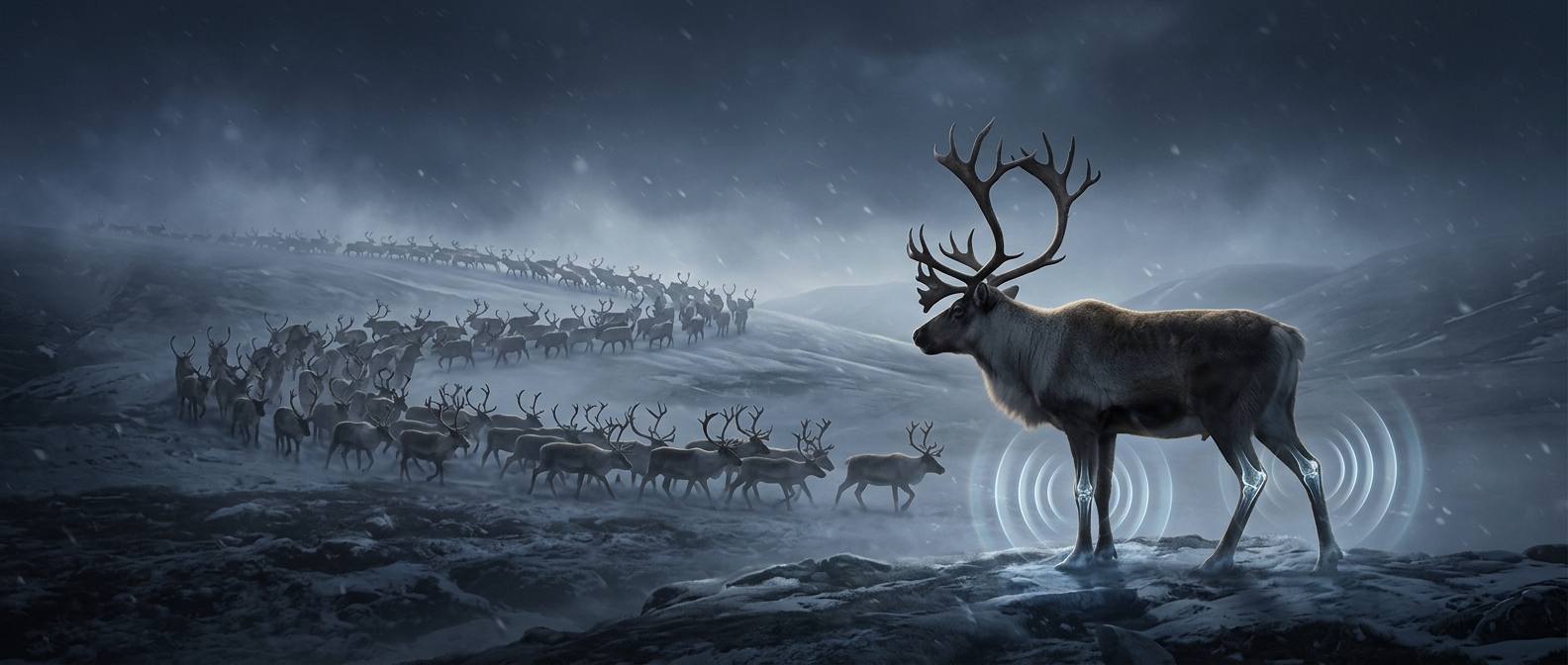
In high mountain country, moving a load can be less about speed than about finding a way through terrain that wheels cannot manage. A yak can carry supplies along narrow, uneven paths, where steep slopes and rocky footing make a cart impractical. Its cloven hooves help it place its feet on irregular ground, while its sturdy build supports the effort of carrying a pack.
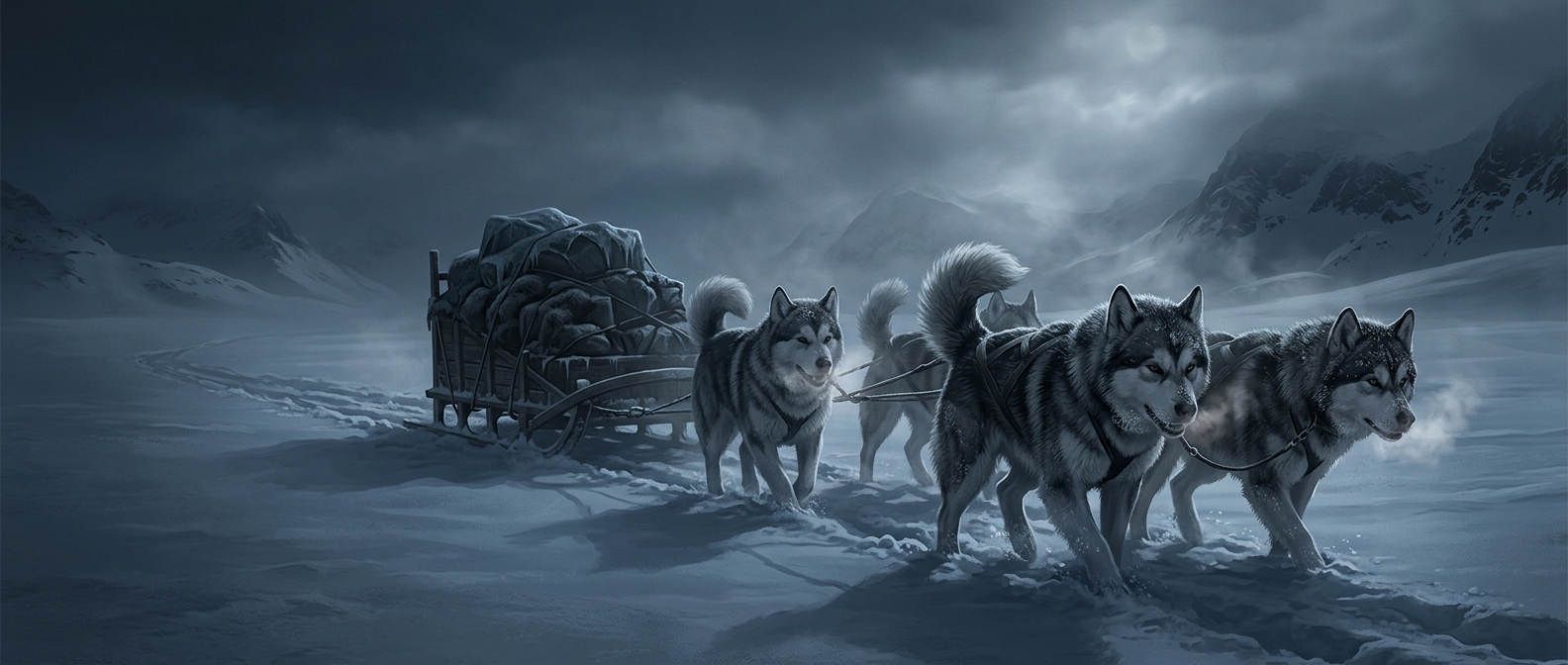
Winter makes that combination especially useful. Dense hair insulates yaks against cold, so they can keep working outdoors in conditions that would make many other animals less suited to the job. The coat is not just protection from discomfort: it helps make the animal a dependable part of a transport system when freezing weather arrives.
A seasonal advantage, not a shortcut
A yak does not make mountain travel easy. Loads still have to be managed, and the animal must follow a route it can safely negotiate. But where winter conditions limit other ways of moving goods, a yak can keep people, food, and equipment connected across difficult ground.
That is the practical payoff: the same traits that let a yak live in cold, rugged environments also let it carry necessities through them. The winter delivery route may be slow, but it does not need a road wide enough for a vehicle.