Why a speck of dust makes a bright streak
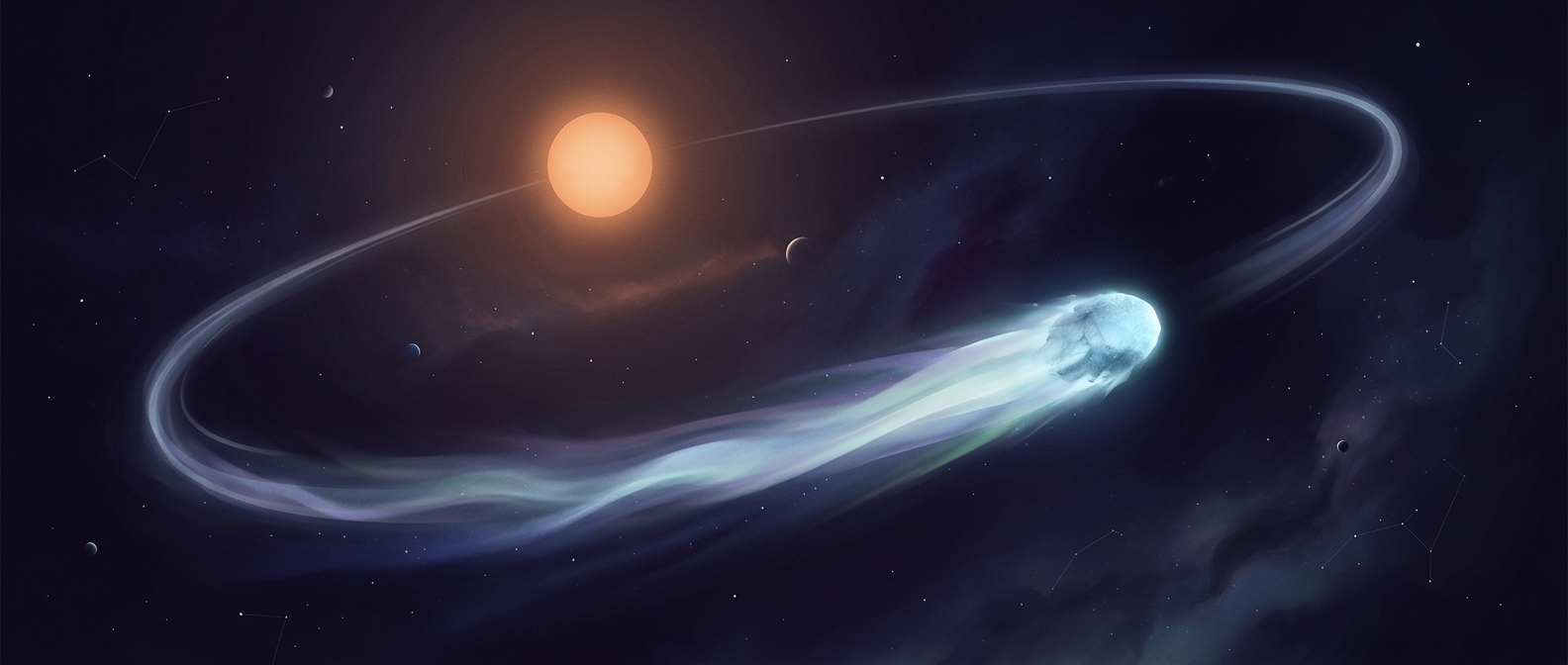
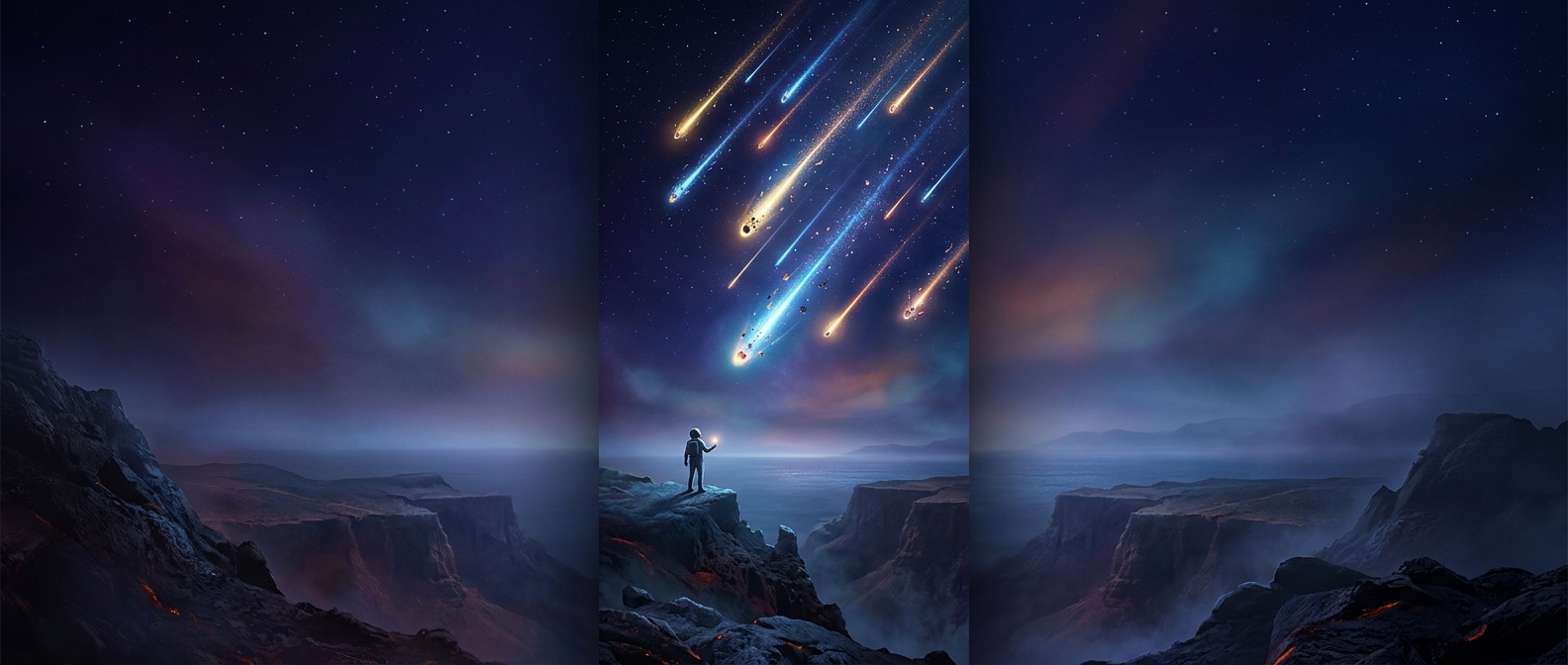
A “shooting star” is a meteor: the light produced when a small piece of space debris enters Earth’s atmosphere. The speck does not simply catch fire like a twig. As it plows through increasingly dense air, it compresses and heats the air in front of it; collisions also strip material from the speck. The hot gas and vaporized material glow, creating the brief line across the sky.
Most meteors appear roughly 50 to 75 miles above the ground. At that height, the air is thin, but the object is moving so fast that collisions still release enough energy to make it shine. The visible streak traces the object’s path, though the light comes largely from the heated air and debris around it—not from a solid rock burning like a candle.
When the streak leaves something behind
Most small particles break apart and disperse high above the surface. A larger fragment can survive the passage and fall to the ground; once recovered, that remnant is called a meteorite. So the same event can end as a fleeting flash in the sky—or, less often, as a piece of space rock someone can hold.