The Sun Is in Orbit, Not at Rest
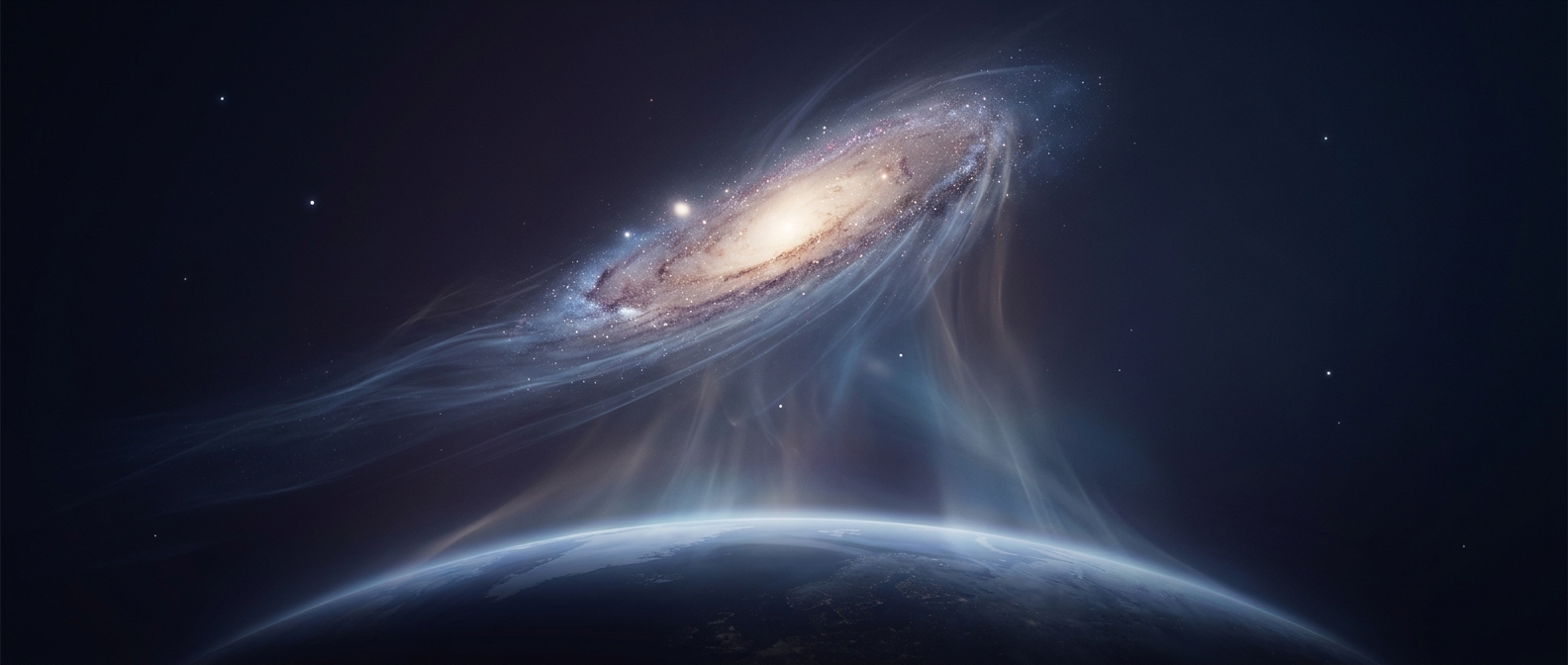
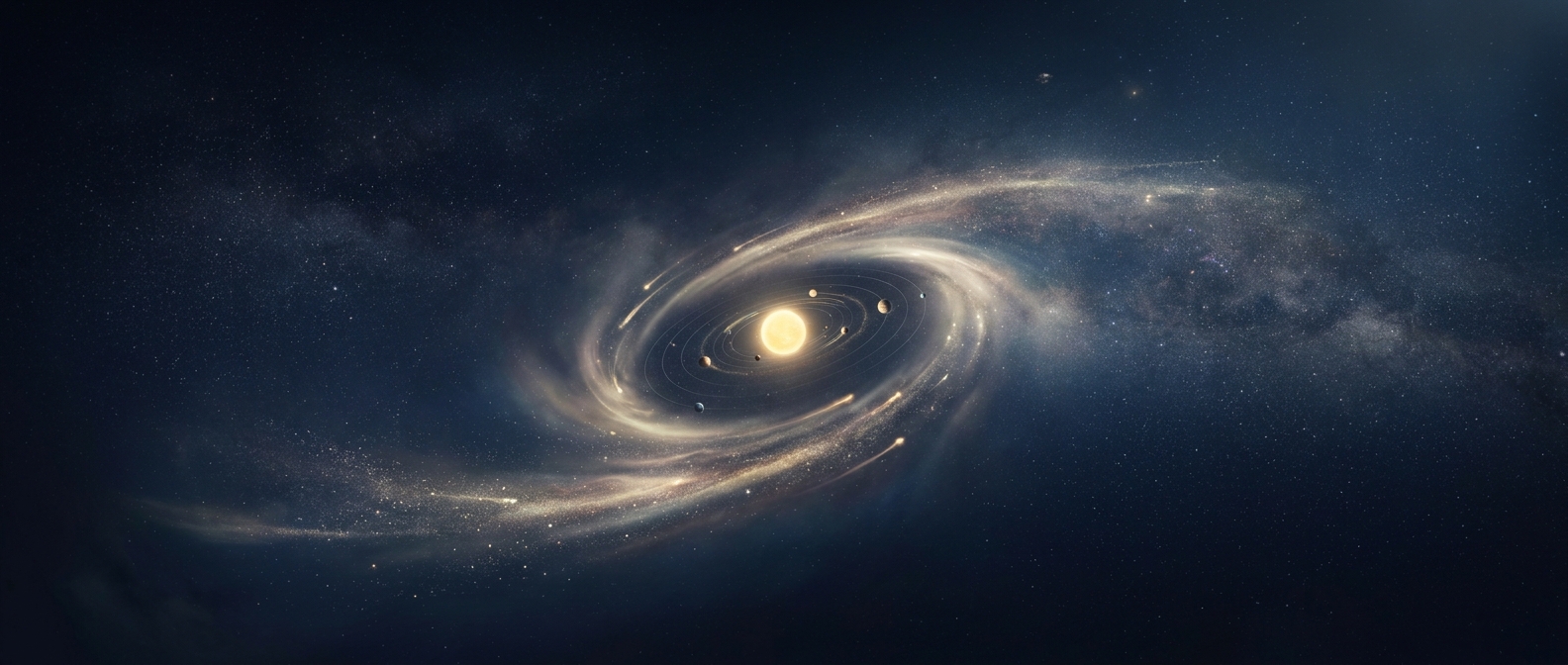
The solar system is part of the Milky Way’s rotating disk. The Sun and nearby stars travel around the galaxy’s center under gravity, much as planets orbit the Sun—though on a vastly larger scale. The pull comes from all the galaxy’s matter, including matter spread throughout its disk and halo, not just the objects we can see.
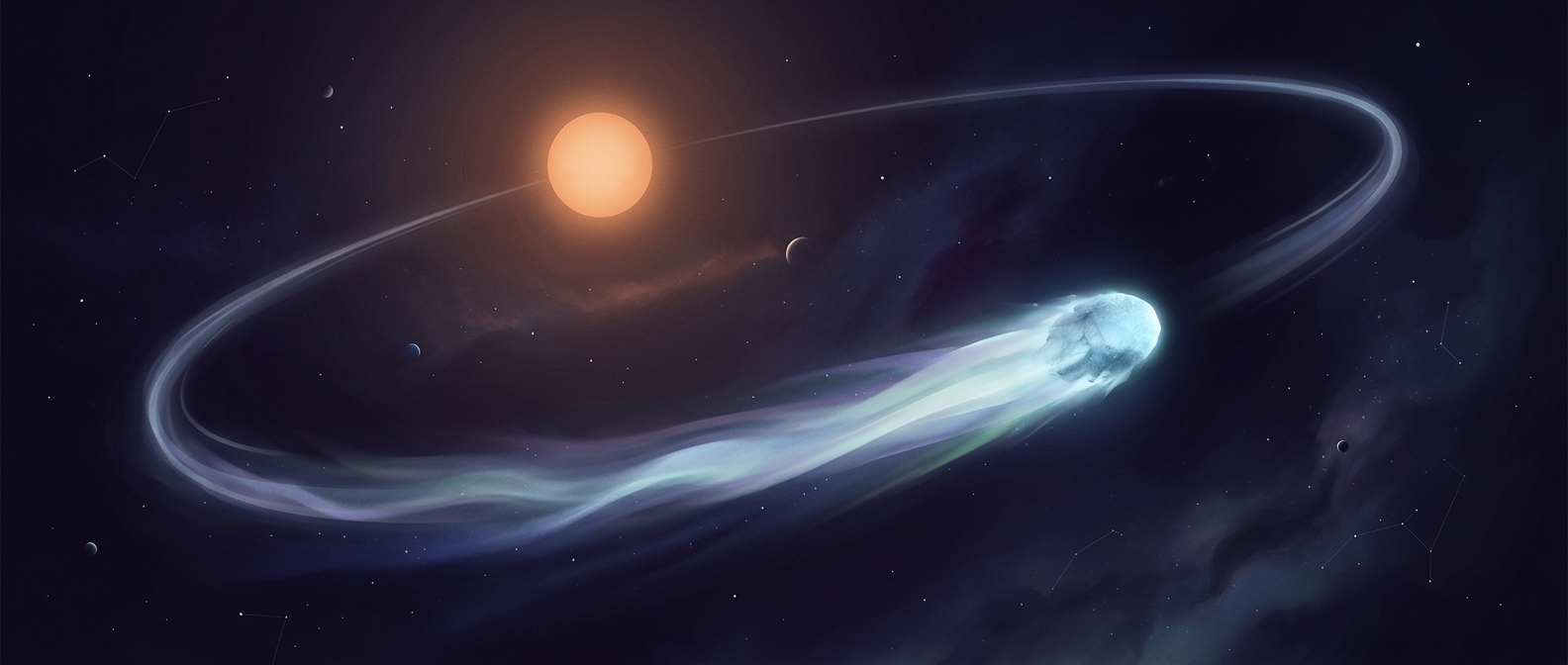
The planets remain bound to the Sun as the whole system moves. Their smaller orbits are layered on top of the Sun’s much larger path around the galaxy. Earth therefore has several motions at once: it spins, circles the Sun, and travels along with the solar system through the Milky Way.
“Still” Depends on the Frame of Reference
There is no single universal backdrop against which motion is measured. A person standing on a sidewalk is nearly at rest relative to the ground, but the ground is moving with Earth, and Earth is moving with the Sun. Each description is correct within its chosen frame of reference—the object or viewpoint used to define what counts as rest.
That layered motion does not make the solar system fly apart: gravity keeps the planets traveling with the Sun. It does mean that a familiar path, such as Earth’s orbit, is not a loop traced through an otherwise motionless universe. It is a moving loop carried around the galaxy.