The U-boat’s complicated toilet became a serious hazard
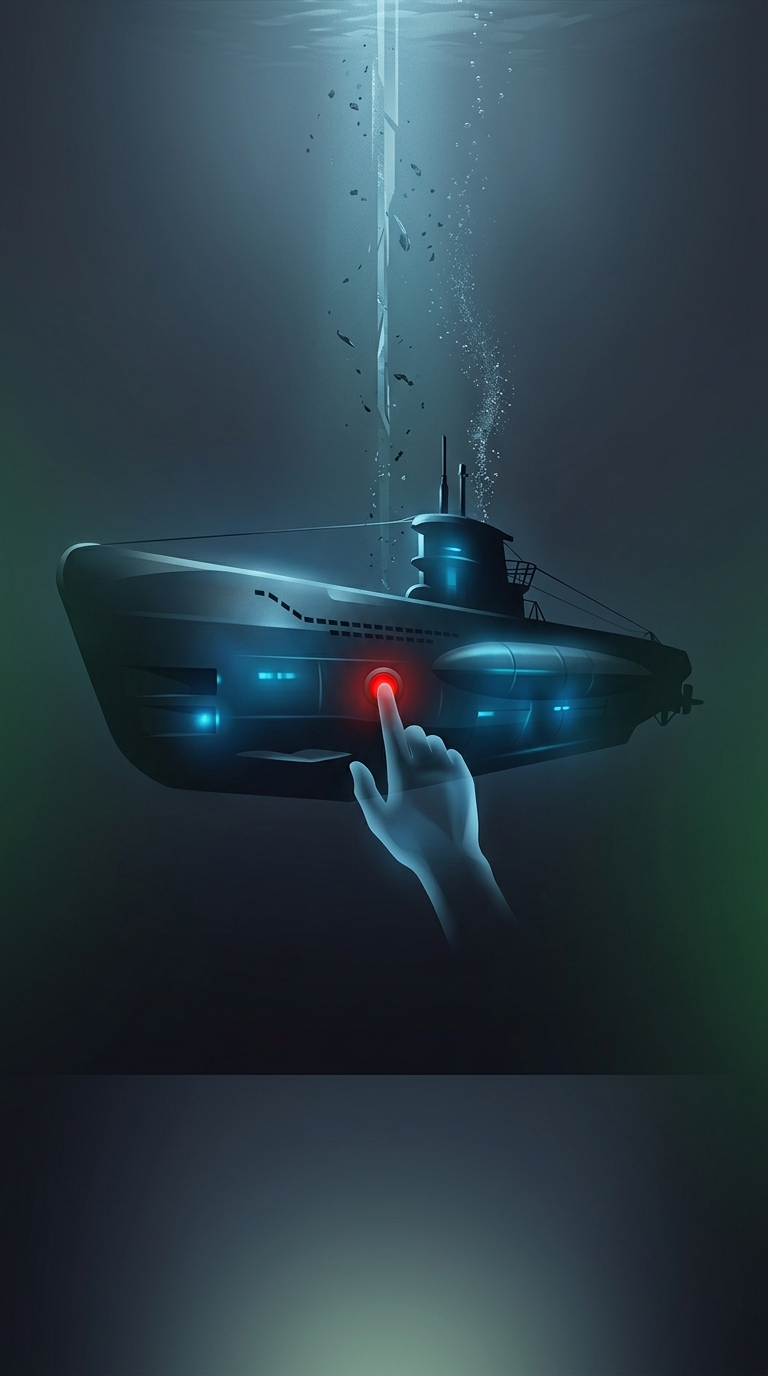
The submarine was U-1206, a German Type VIIC boat on its first combat patrol in April 1945. Its mishap involved a high-pressure toilet system designed to work deep underwater, where ordinary plumbing could not simply discharge waste against the surrounding sea pressure.
The system had to be operated in a particular sequence. According to accounts of the loss, a crew member used it incorrectly. When the crew tried to deal with the resulting problem, seawater entered the submarine and reached the battery compartment. The batteries reacted with the water, creating a risk of poisonous chlorine gas in the cramped vessel.
A plumbing failure forced the submarine to surface
To avoid the danger below, U-1206 had to surface off Scotland. There, it was spotted and came under attack from British aircraft. The crew abandoned the boat; U-1206 was scuttled and sank. The incident cost lives, though the surviving crew were captured.
The toilet did not sink the submarine by itself. The chain of events was more consequential: a system that depended on precise operation malfunctioned, the attempted response let seawater in, and the resulting battery hazard made staying submerged untenable. On a submarine, even a small failure in plumbing can become an emergency when pressure, seawater and batteries are all confined in the same hull.