How Hollywood Made Insults Sound Polite
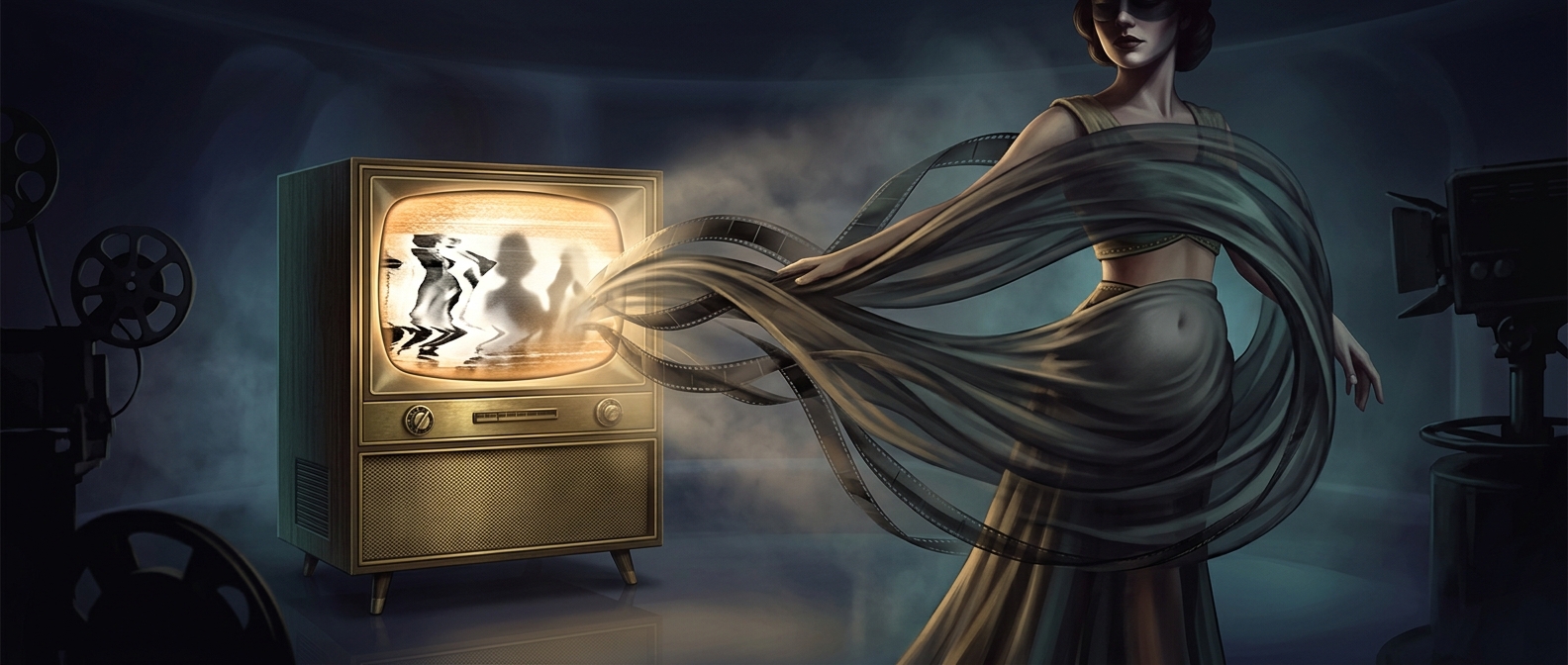
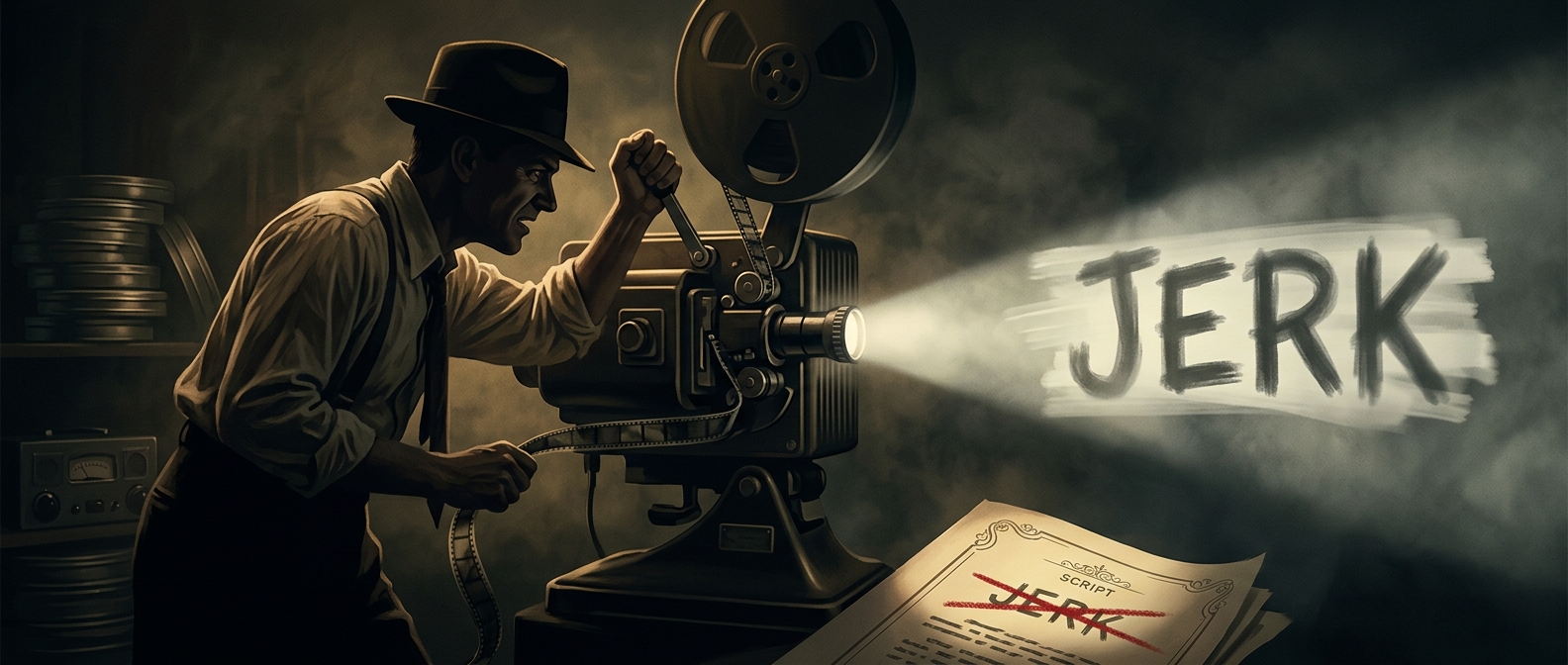
In Golden Age Hollywood, a character could be cruel without using language censors considered unacceptable. Words such as “jerk” and “louse” could draw objections, so screenwriters had to convey contempt through cleaner wording, a cutting tone, or the situation itself. The result was not necessarily gentler dialogue; the insult simply had to fit the rules.
Censorship Changed the Writing, Not Just the Vocabulary
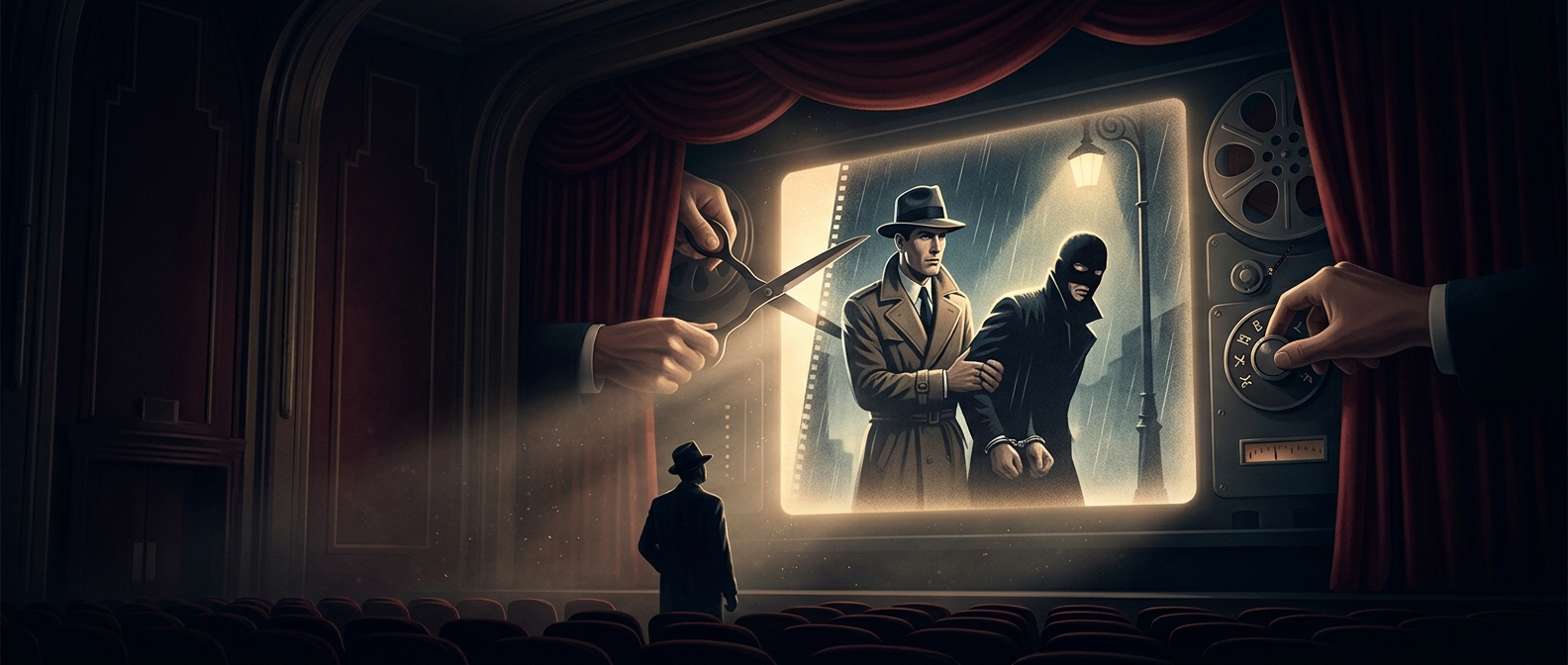
Censorship review put pressure on a script before the audience ever saw the finished film. If a word was flagged, a writer might replace it with a milder-sounding term or recast the line so that sarcasm did the work. Actors could sharpen a polite phrase with a pause or a look, letting performance supply the sting the dialogue could not state outright.
That constraint gave screenwriters a narrow but useful tool: the gap between courteous words and contemptuous delivery. A character who called someone foolish in controlled, impeccable language could sound more disdainful than one who simply shouted an insult. The censorship rules therefore shaped not only which words appeared on screen, but also how filmmakers built verbal hostility—through implication, timing, and tone.