The “liquid fire” behind Rosicrucian immortality
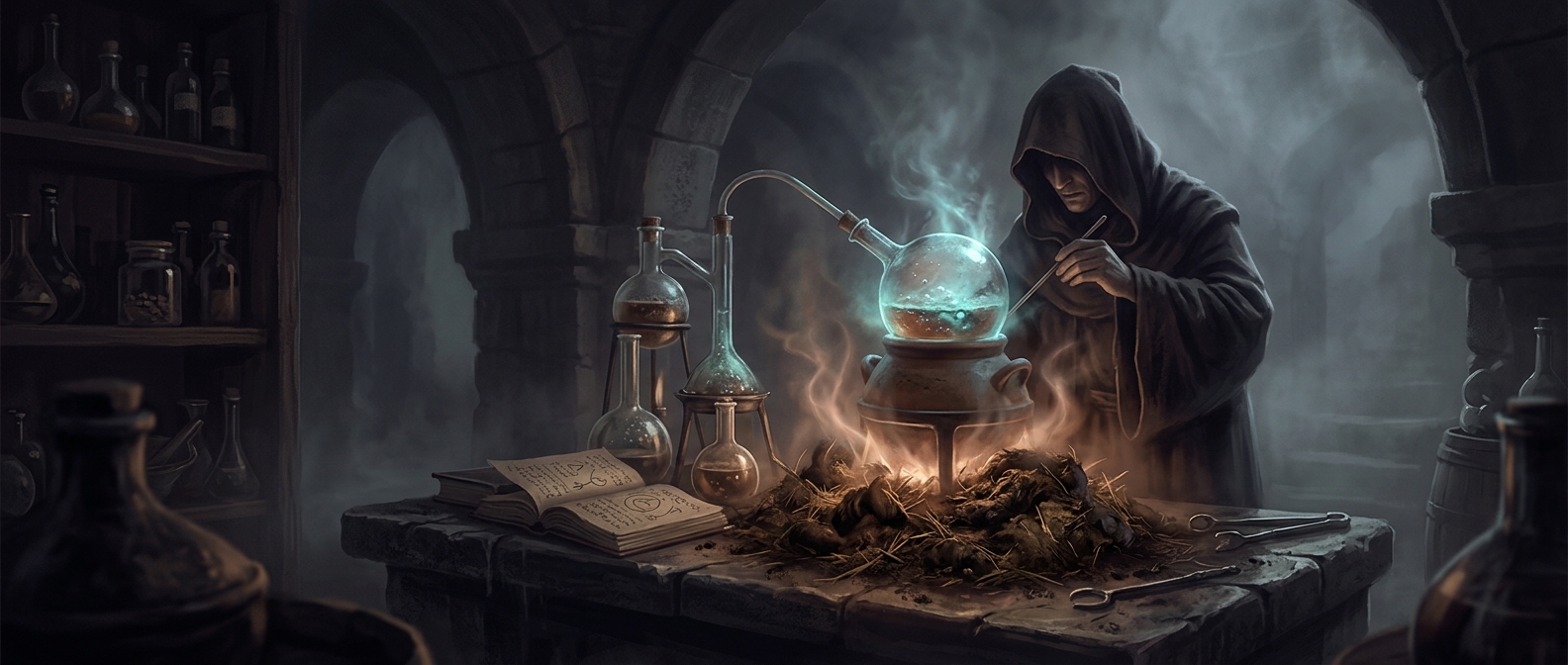
In early-17th-century Europe, alchemy promised more than ways to transform metals. Some practitioners also sought an elixir: a prepared substance thought capable of restoring health or extending life. Rosicrucian manifestos wrapped that hope in a story about Christian Rosenkreuz, a mysterious founder whose extraordinary longevity seemed to signal possession of hidden chemical knowledge.
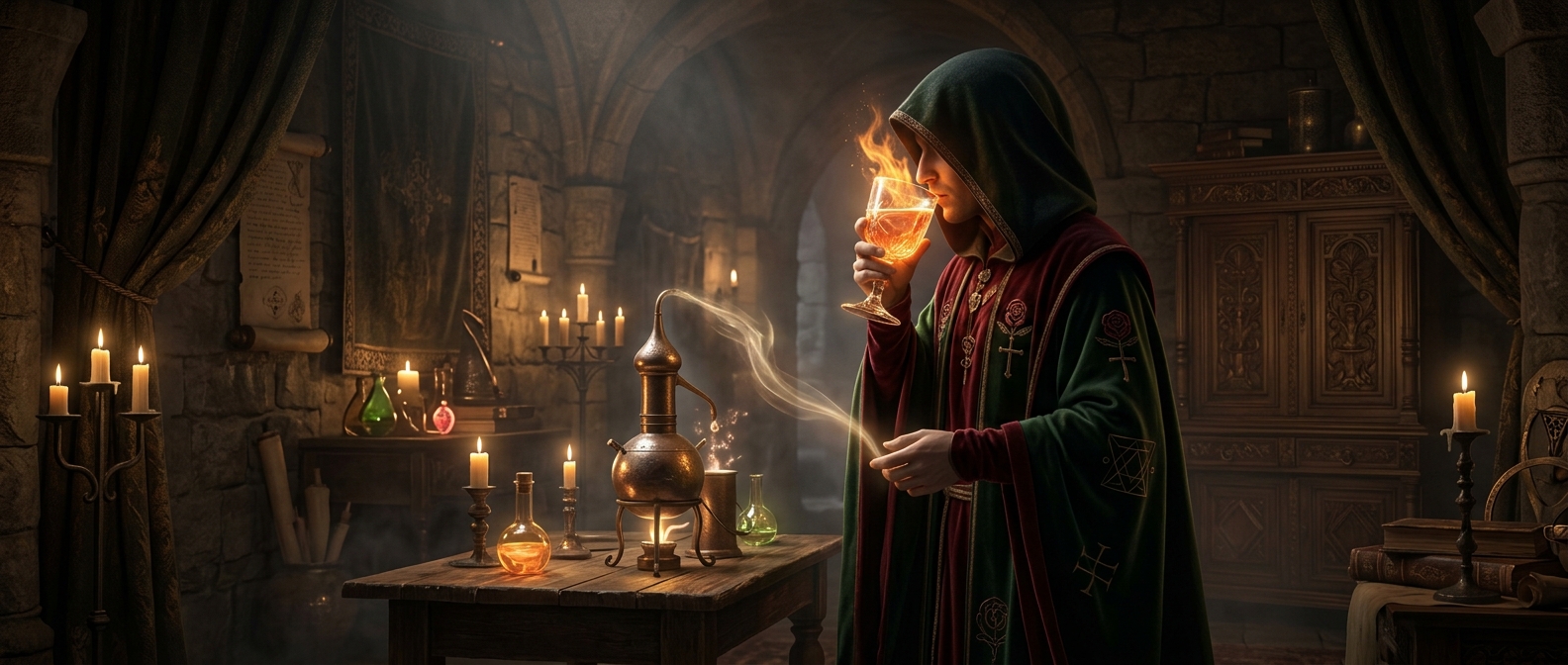
“Liquid fire” was not a recipe readers could verify from the story. Fire was a potent alchemical image as well as a physical force, and the phrase suggested an intense, transformative substance. The manifestos offered an alluring result, not a reproducible demonstration that anyone could drink their way to centuries of youth.
A legend designed to point beyond itself
The first Rosicrucian manifesto appeared anonymously in 1614. It described Rosenkreuz and a secret brotherhood devoted to learning and the renewal of Christian society. His longevity and the tale of his remarkably preserved body helped make him seem like evidence that the brotherhood possessed knowledge unavailable to ordinary people.
That combination mattered. The promise was not simply a longer life: readers were invited to imagine that concealed wisdom could heal both individuals and a troubled society. The texts blurred the line between spiritual allegory, alchemical speculation, and claims about a real organization, leaving eager readers to wonder whether they could find the people behind the legend.
The response became part of the story
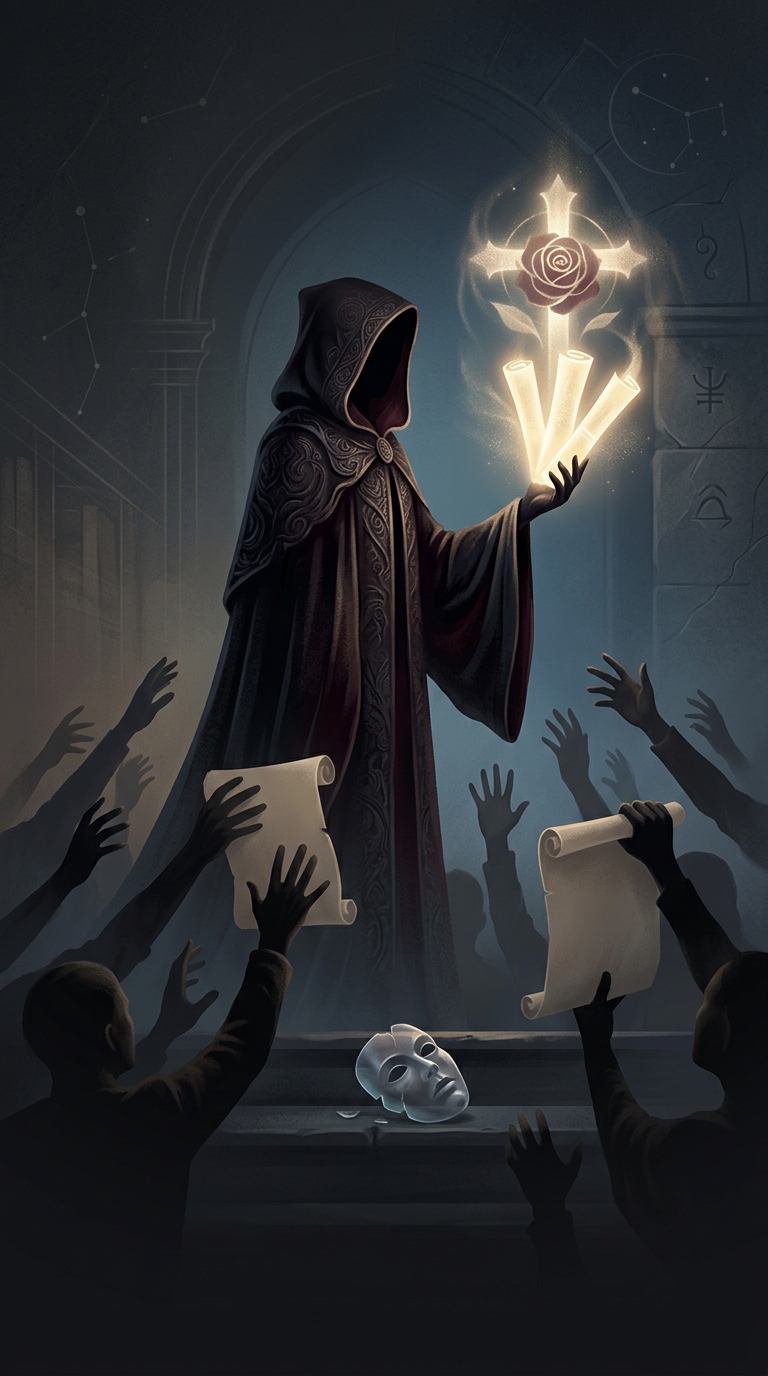
The manifestos prompted a rush of replies and requests from people hoping to contact or join the Rosicrucians. The order was likely a literary creation rather than an established secret society, but the search for it showed how persuasive the combination of Christian reform, hidden learning, and life-extending chemistry could be.
The striking consequence was that an apparently secret brotherhood gained attention through public texts: readers pursuing its invisible members helped turn a printed legend into a movement of its own.