Why a game world has an edge
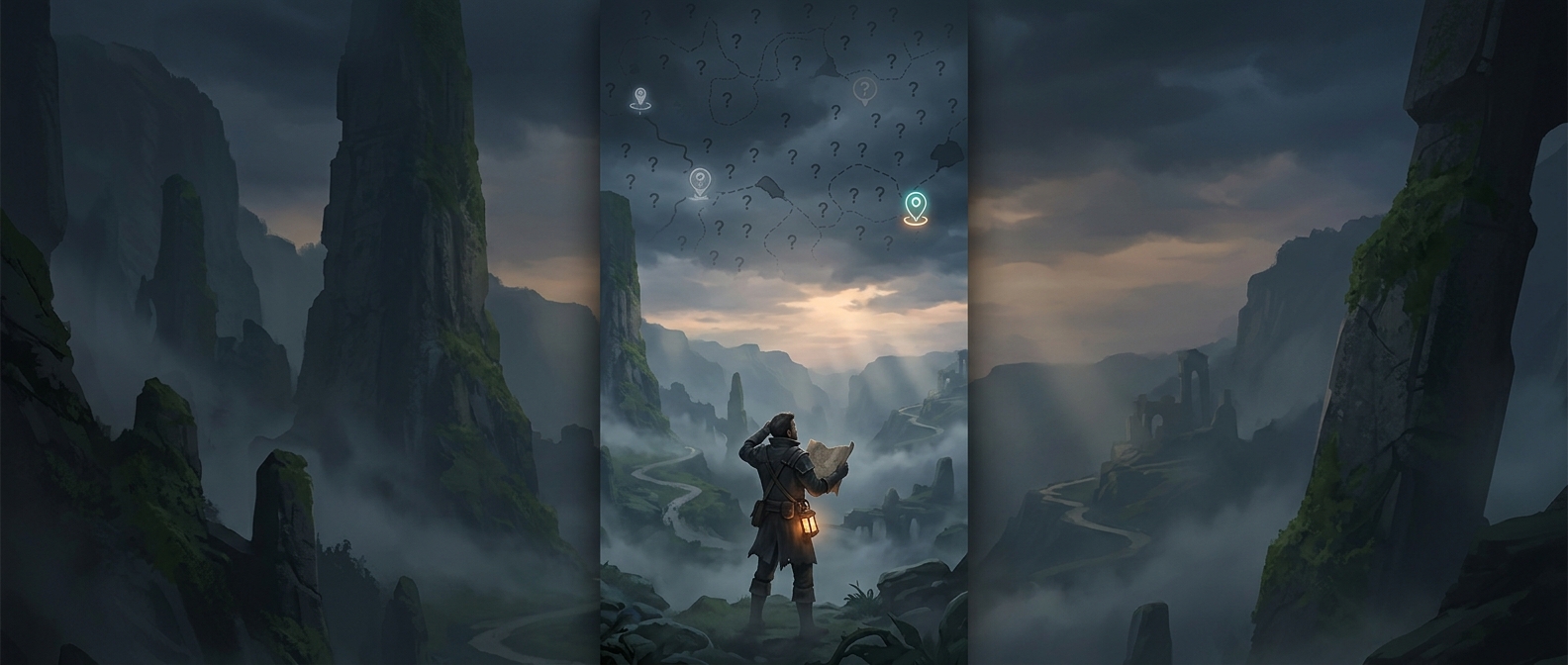
A map can look like an invitation to explore, but the playable world is a designed space, not necessarily a complete landscape. Beyond its edge, terrain may be unfinished, inaccessible, or simply irrelevant to the route the game is built to support. Letting a character wander there could expose gaps, disrupt a mission, or leave the game with no sensible way forward.
Turning the limit into a playable moment
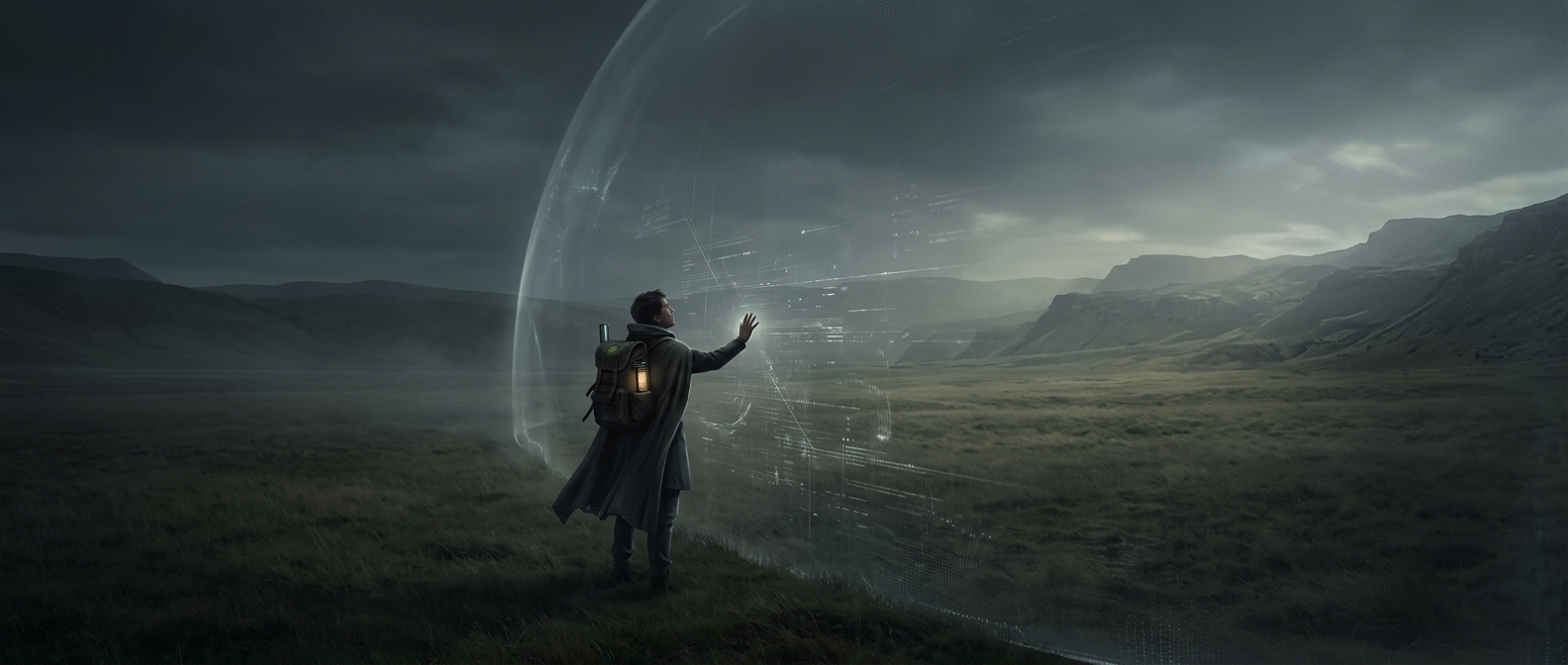
Games mark boundaries in different ways. A red line on a mini-map can warn that the character is nearing the limit; the world itself might then use a cliff, barrier, locked gate, or an invisible collision surface that stops movement. Some games instead redirect the player with a warning or turn-back mechanic. The map cue and the physical boundary are related, but they do not have to match exactly.
That limit can also help shape pacing. A coastline or blocked pass can funnel players toward the next objective, while a clear warning lets them recognize the edge before they spend time trying to cross it. The designer’s challenge is to make the boundary firm enough to protect the intended space without making exploration feel pointless.
What the edge reveals
When a character is forced to turn around, the game is making its underlying layout visible: this is where its authored, supported experience ends. The most convincing boundary gives that practical limit a place in the world—so a red mark on the map may lead not to a hidden destination, but to the point where the game has deliberately stopped building.