How a pregnancy can leave cells behind
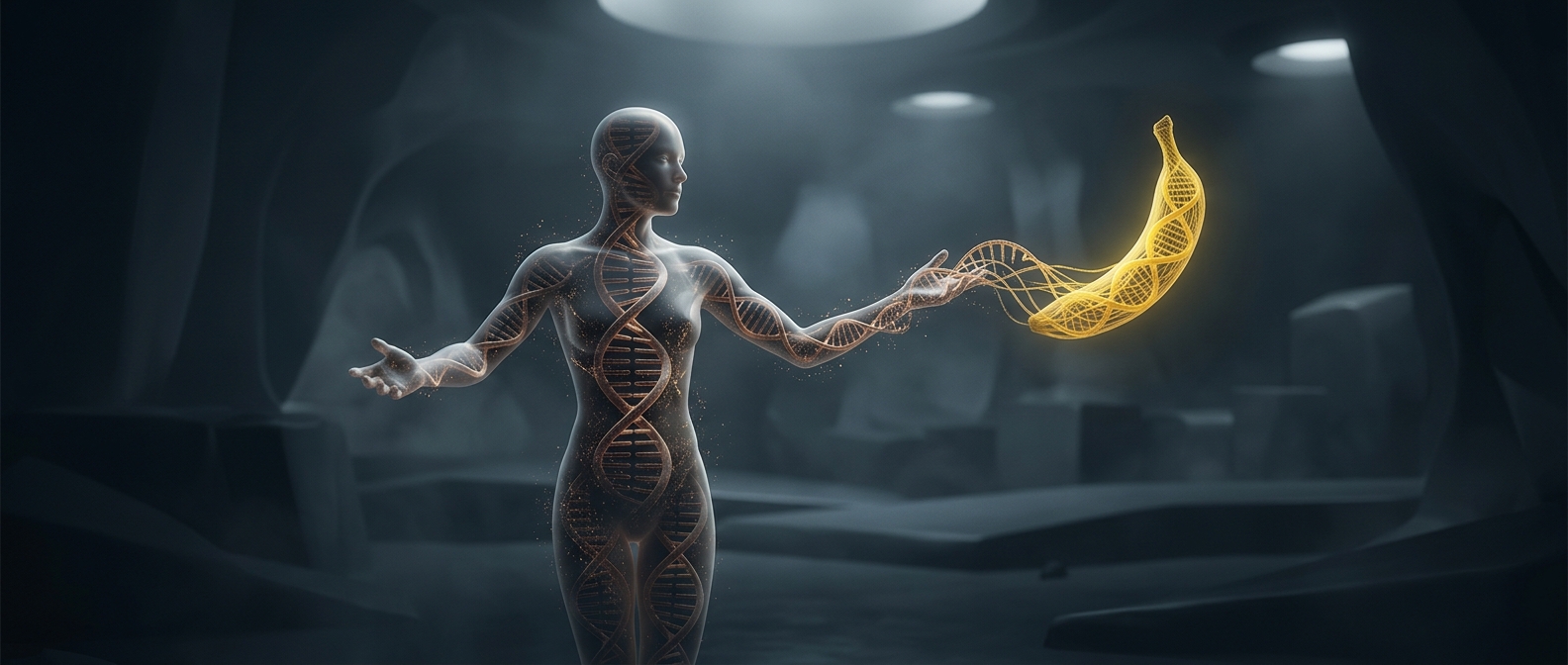
During pregnancy, the placenta is not an absolute barrier: small numbers of cells pass between fetus and mother. Some fetal cells enter the mother’s circulation and can settle in her tissues, where they may remain long after pregnancy ends. This lingering presence of cells from another individual is called fetal microchimerism.
Researchers have detected fetal-origin cells in human brain tissue, including cells carrying a Y chromosome. That finding shows that cells associated with a pregnancy can reach and persist in the brain; it does not mean every mother has the same cells in the same brain regions, or that the cells are necessarily from her most recent child.
What those cells do—and what remains unknown
The brain is protected by the blood-brain barrier, a system of tightly controlled vessels that limits what enters from the blood. How fetal cells cross into brain tissue, and what they do once there, is not fully understood. Their presence alone does not establish that they change a mother’s thoughts, behavior, or health.
The striking implication is more specific: pregnancy can leave a cellular trace that outlasts the pregnancy by decades. In a tissue as carefully guarded as the brain, that trace is evidence of how far a small number of exchanged cells can travel and endure.