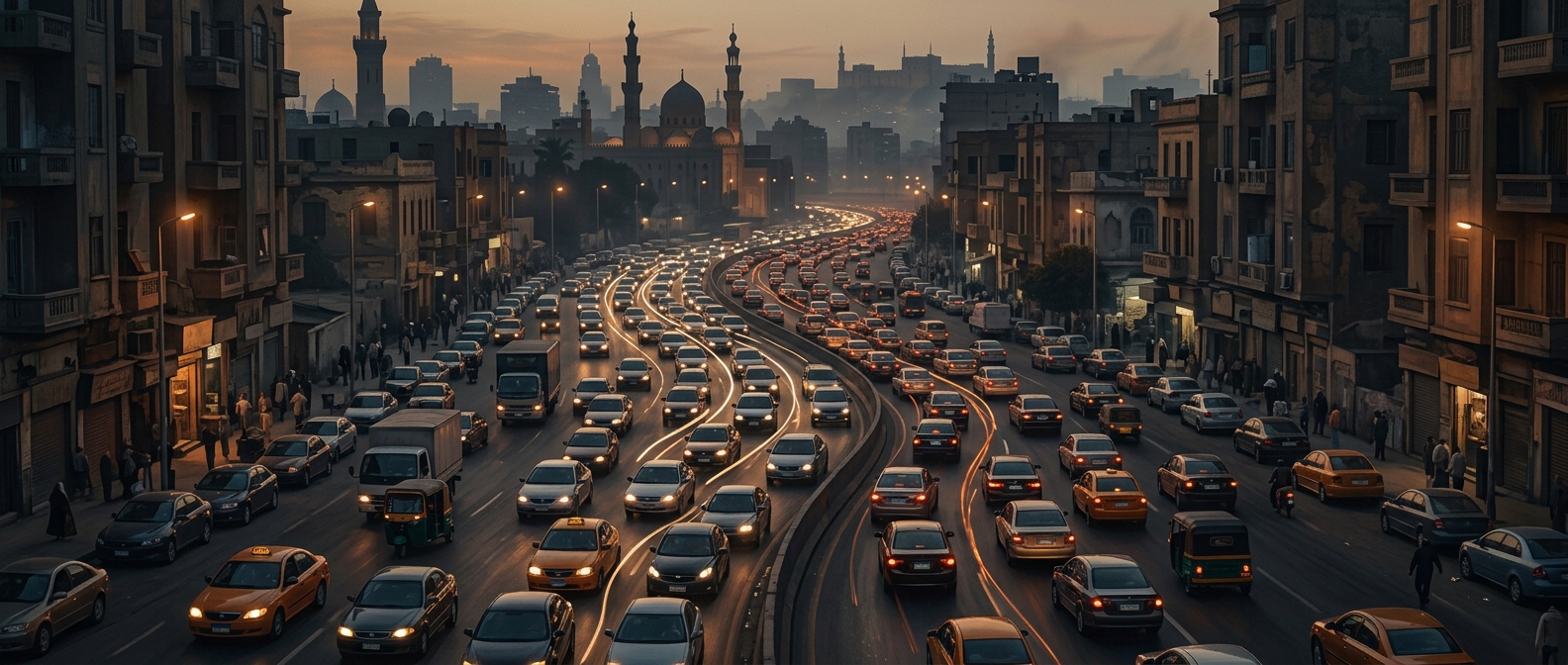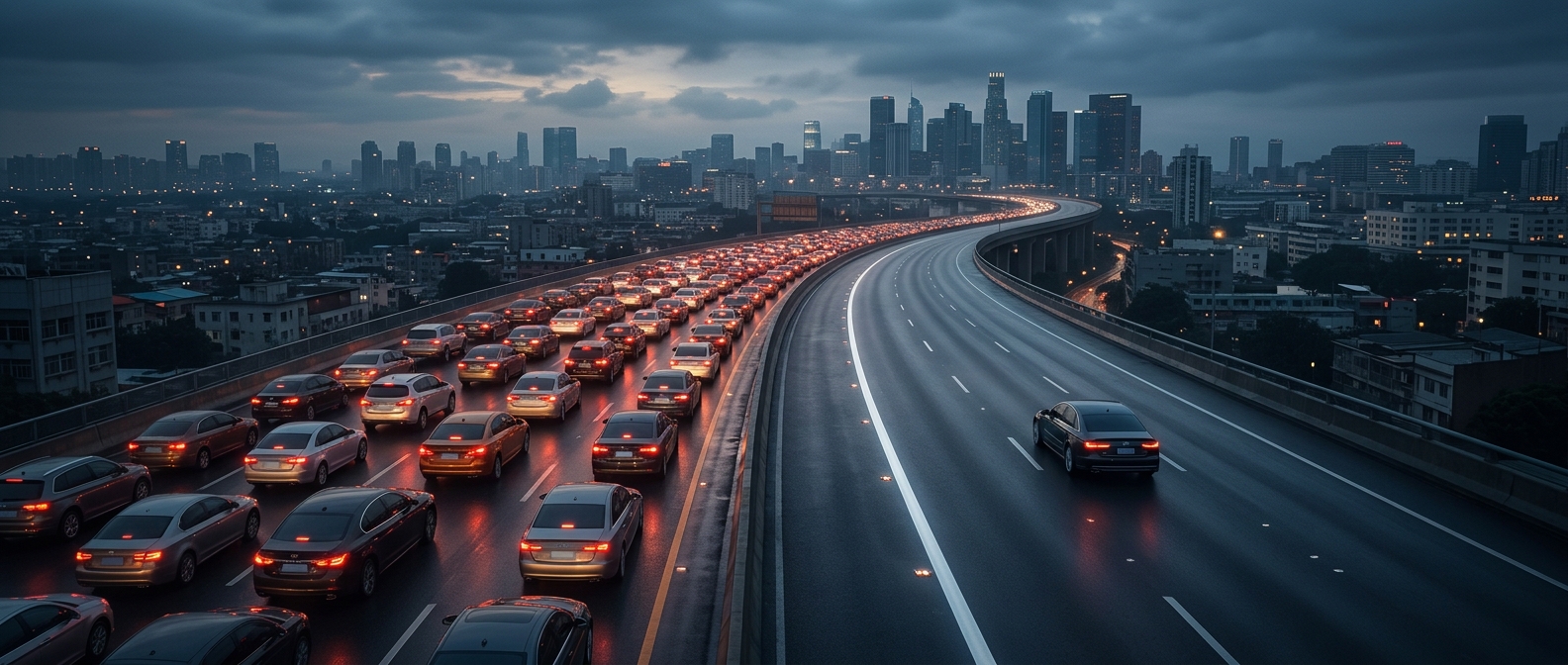
An open lane can carry more people
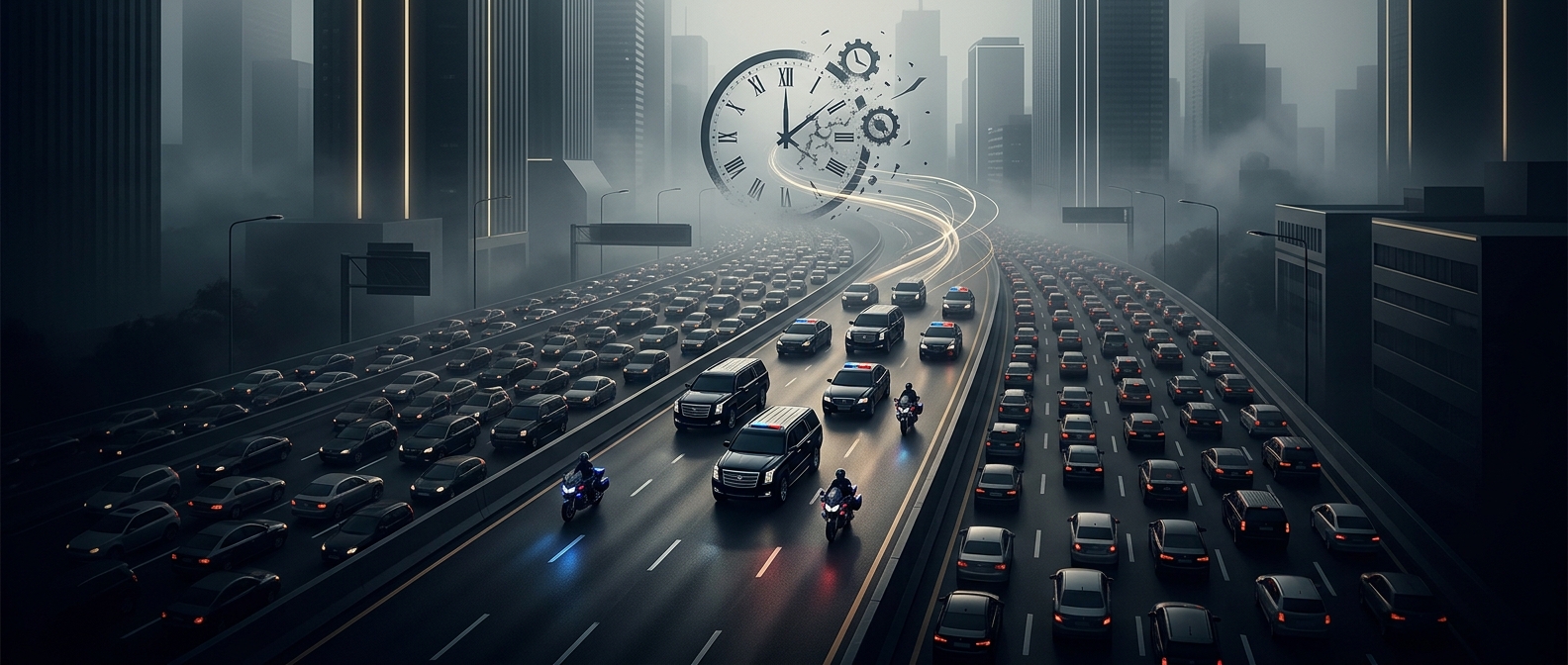
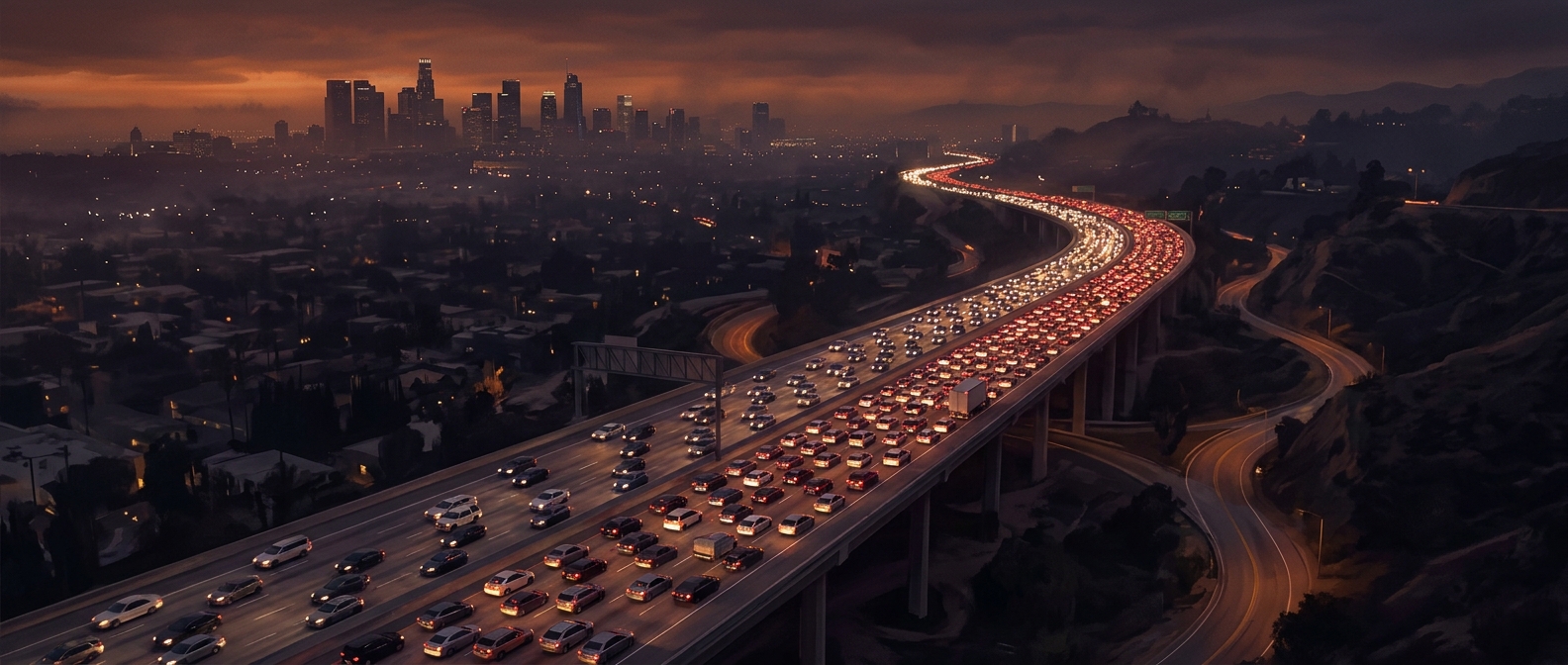
A carpool lane is judged by the number of people it moves, not by whether it looks as busy as the lanes beside it. A single car carrying several passengers takes up roughly the same road space as a car carrying one, but moves more people through that space. So a lane with fewer vehicles may still be doing useful work—especially when traffic in the general lanes is crawling.
The lane is also an incentive
The occupancy rule gives drivers a reason to share a trip rather than each bring a separate car. That can reduce the number of vehicles competing for road space overall. The protected lane also offers a more predictable trip for eligible vehicles, which matters to people who need to arrive on time. If it filled with unrestricted traffic, that advantage could disappear.
There is a tradeoff: reserve too much road space for a lane that few people use, and the neighboring lanes can feel even more crowded. Set the rules or lane capacity differently, and the lane may lose the speed advantage meant to make sharing worthwhile. The right balance depends on local demand and the lane’s design; an empty-looking stretch alone does not reveal how many passengers it is carrying or whether the policy is working.
Why the contrast is so striking
Drivers judge congestion by the cars visible around them, so an open lane beside a queue can look like wasted capacity. But the relevant comparison is people moved and time saved, not cars per lane. The frustrating sight is also the policy’s central bet: that enough travelers will accept the coordination of sharing a ride in exchange for a more reliable route.