How a missing clock changes the room
People estimate time partly by routine cues: daylight, meals, familiar schedules, and the habit of checking a watch. Take away clocks and phones, and those cues become harder to interpret. A contestant may know that a task feels long without knowing whether it has lasted minutes or hours—or how much of the day remains.
That uncertainty matters because time is not just background information. It helps people plan, pace their effort, and decide whether an inconvenience is brief or likely to drag on. Without a reliable estimate, even an ordinary setback can feel more pressing: there is no clear sense of when the next meal, rest, or change of activity will come.
Uncertainty becomes part of the drama
For producers, removing time cues can make the contestants’ reactions less predictable. A burnt breakfast is no longer simply a small kitchen mishap if nobody knows whether it is early morning or late at night. The same event can feel more consequential when people cannot place it in the day or anticipate what follows.
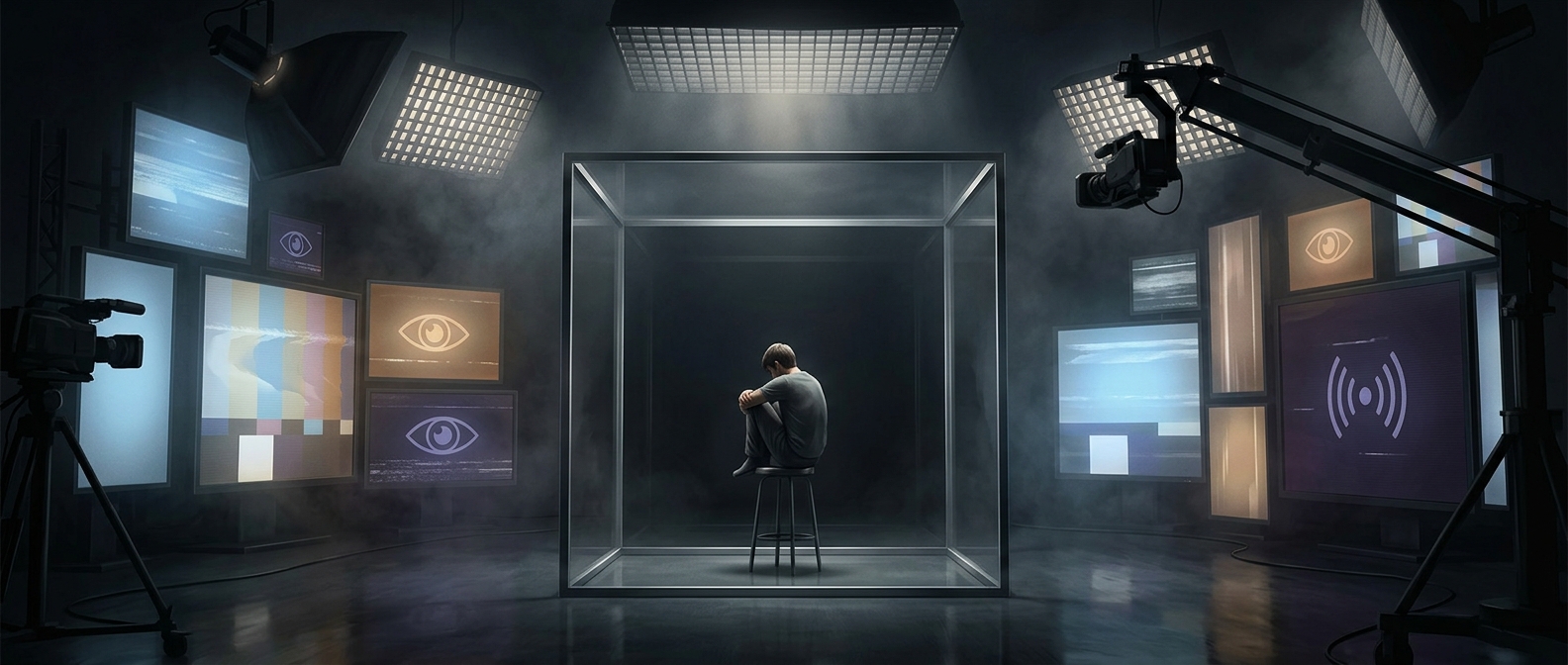
It also changes what viewers see. Contestants must respond to the immediate situation rather than orienting themselves with a quick glance at a screen. Meanwhile, producers can arrange and edit events without contestants using clocks to keep track of gaps between activities. The result is a more contained environment in which uncertainty itself can shape the mood.
The clock may be out of sight, but its absence is an active part of the set: it turns “How long?” into a question contestants cannot easily answer.