A Viewpoint Built Into the Garden
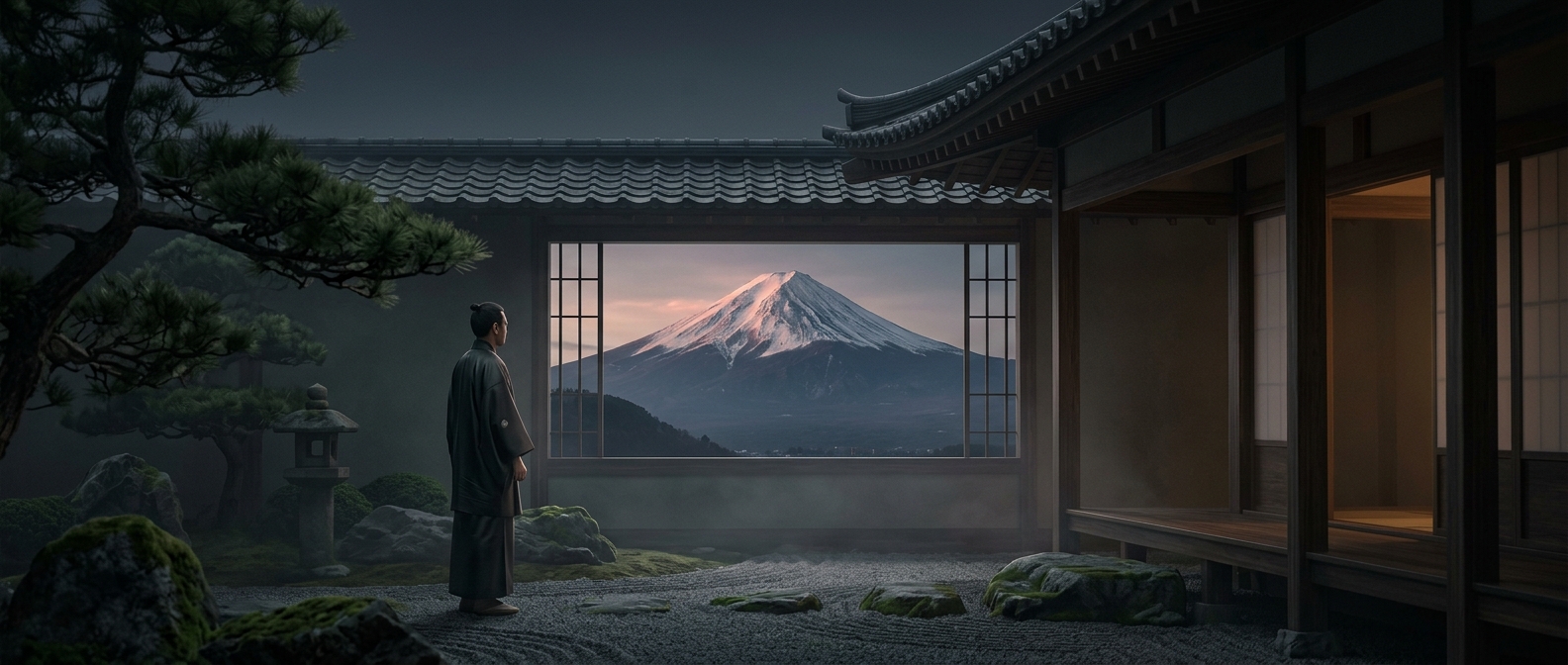
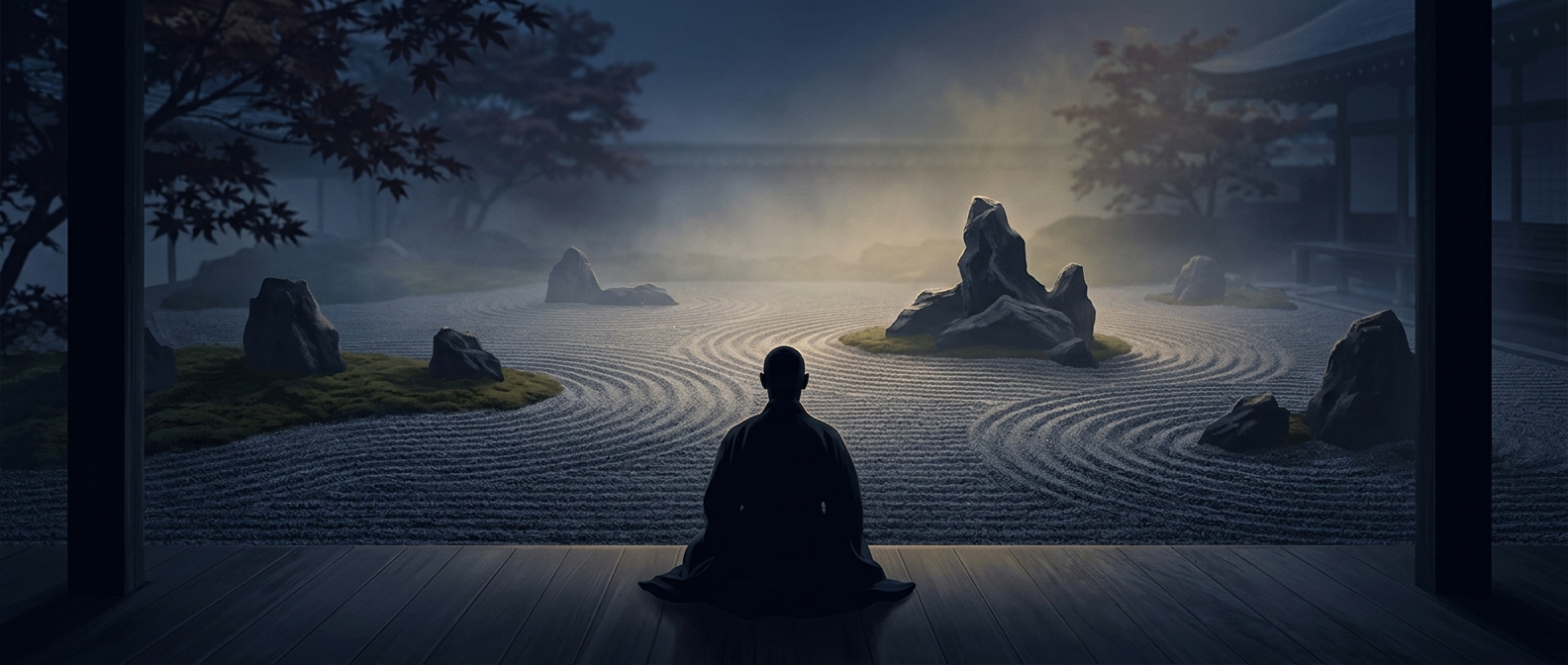
A Japanese rock garden is not simply a collection of stones meant to be inspected from every side. In some gardens, the main composition is arranged to be viewed from a particular veranda or other fixed spot. From there, the stones and the raked gravel form a carefully framed scene; step away, and their spacing and overlap change.
How a Stone Disappears
The effect depends on alignment and occlusion: one object blocks another from a viewer’s line of sight. A stone that is easy to distinguish from the veranda may fall behind a larger rock when seen from farther along the path. In certain layouts, no position reveals every stone at once. Moving around can uncover one view while hiding another, so the garden never resolves into a single all-inclusive picture.
That doesn’t mean every Japanese rock garden follows the same rule, or that a visitor is forbidden to walk around. Rather, the chosen viewpoint makes the arrangement legible as a composition, while other angles reveal how much that reading depends on where the viewer stands.
The Missing Piece Is Part of the Scene
The hidden stone is not merely an obstacle to seeing the garden properly. Its absence from the view shapes what can be seen: the eye groups the visible rocks, notices the gaps, and may imagine the part just out of sight. The design turns looking into an active task, with each change of position altering the picture instead of delivering a final, complete one.