How a Drag Icon Became an Animated Sea Witch
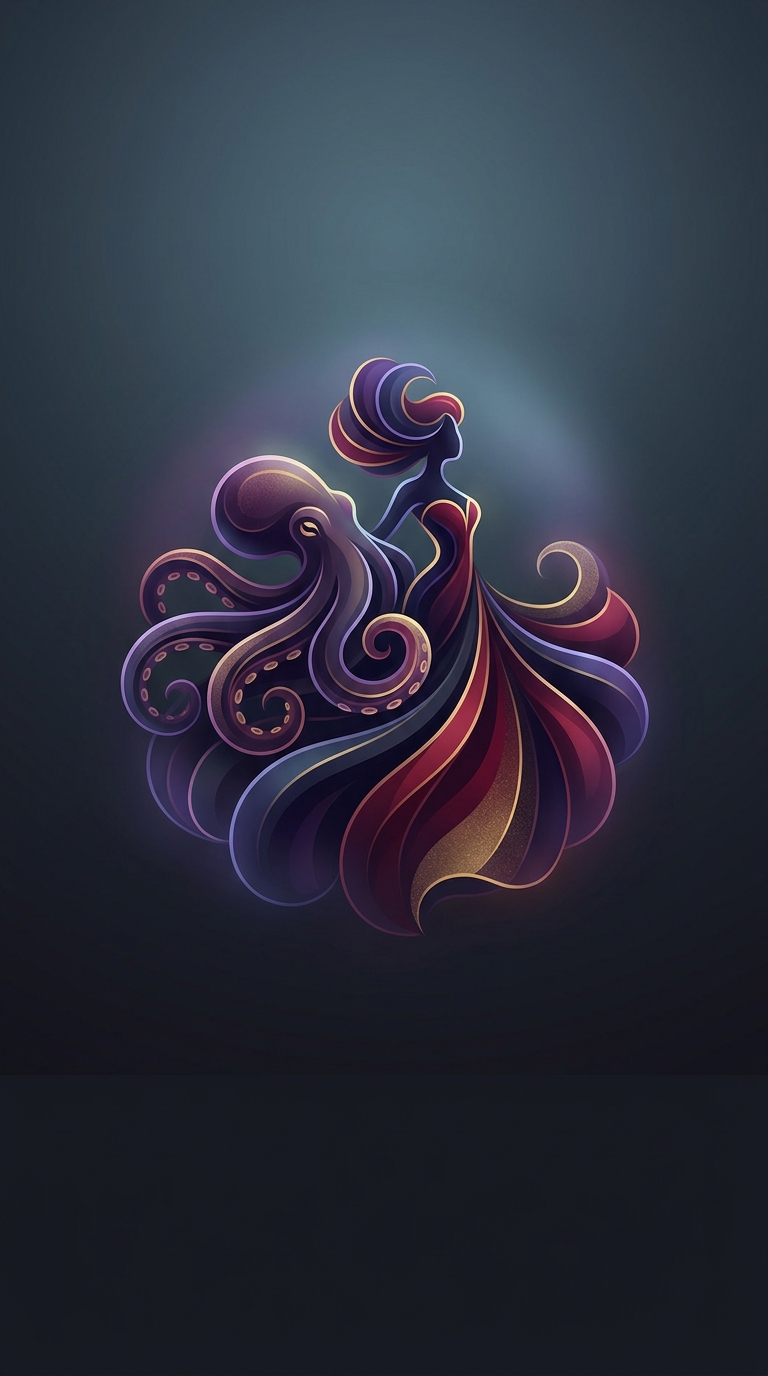
Ursula’s design drew on Divine, the stage name of performer Harris Glenn Milstead, whose screen persona was closely associated with filmmaker John Waters’s irreverent underground comedies. The connection was more than a resemblance: Divine’s outsized presence offered a model for a villain who could dominate a scene before she even spoke.
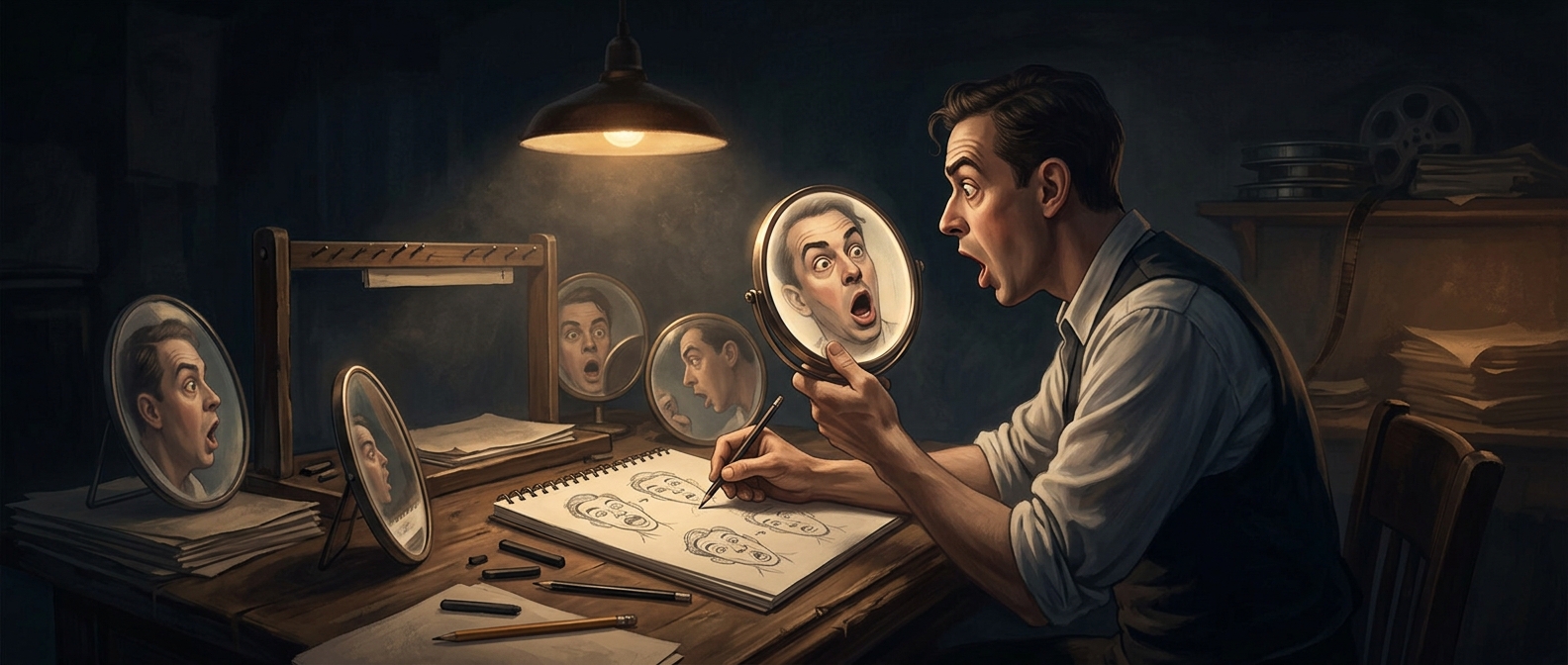
Animation has to make personality legible in a still image as well as in motion. Ursula’s broad silhouette, dramatic makeup, and emphatic facial expressions give her a strong visual identity; her theatrical gestures turn that design into performance. The result is a character whose menace and showmanship arrive together.
Camp Turned Into Character
“Camp” describes an exaggerated, knowingly theatrical style that finds pleasure in excess. In Waters’s films and Divine’s performances, that sensibility could make glamour funny, abrasive, and defiant all at once. Ursula carries a version of that energy into a mainstream animated fantasy: she is not a restrained, elegant sorceress but a bold performer who treats every encounter as a chance to command attention.
That translation mattered because animation can heighten expression without the limits of live-action realism. A lifted brow, a sweeping hand, or a sudden change of expression can be pushed until it reads instantly from across the screen. Divine’s persona helped point toward a villain whose danger is inseparable from her appetite for spectacle. Ursula’s lasting force comes from that combination: she doesn’t simply threaten the story’s heroine—she makes the threat a performance.