Why Grinding Can Begin in Light Sleep
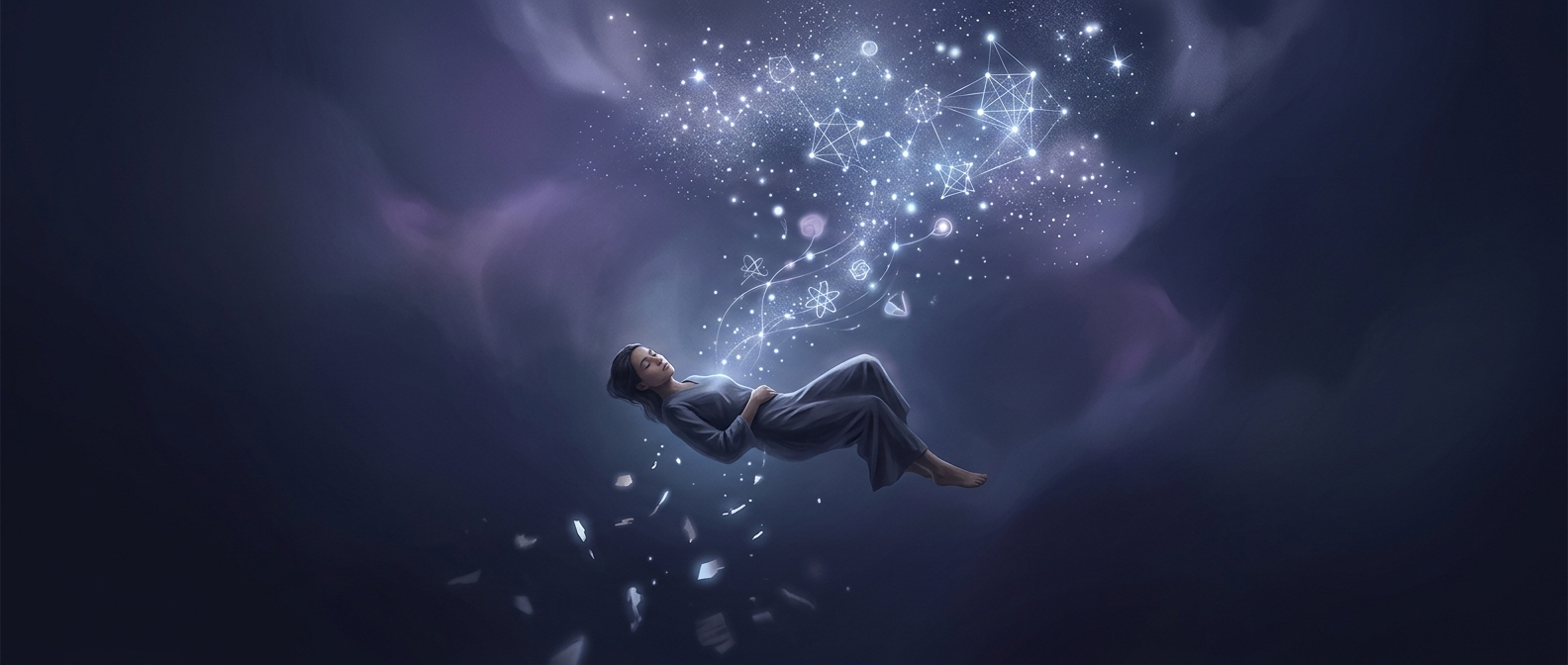
Sleep-related teeth grinding, or sleep bruxism, is often linked to brief shifts toward lighter sleep. These transitions can bring a short burst of activity in the nervous system—the same system that adjusts heart rate and muscle readiness. The jaw muscles may tighten or move before the person fully wakes, so clenching can happen without any conscious decision.
Repeated Pressure, Little Awareness
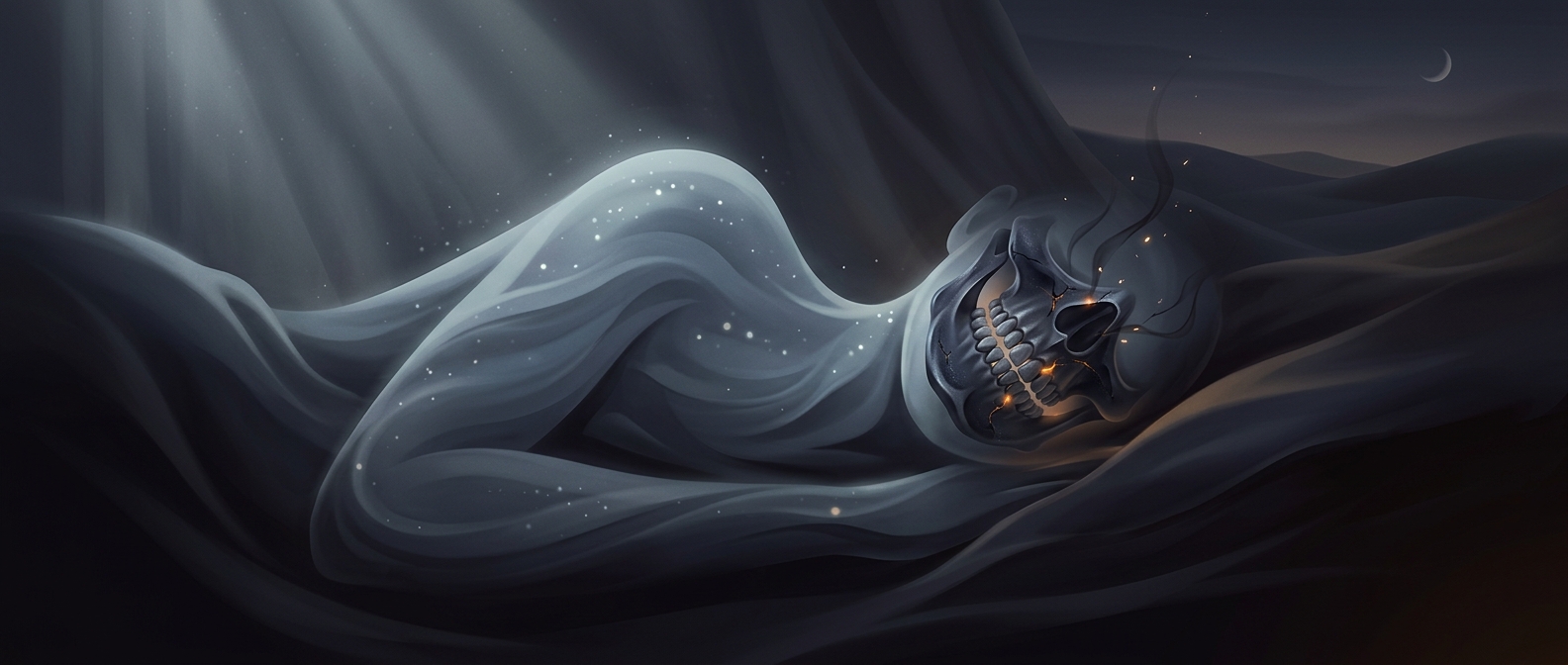
During an episode, the upper and lower teeth may press together or slide against each other. A single contraction may pass unnoticed, but repeated pressure can strain the teeth and jaw. Over time, some people develop worn or chipped teeth, jaw soreness, or headaches; others have no obvious symptoms.
Because the activity occurs during sleep, a person may not know it is happening. A bed partner might hear grinding, while a dentist may notice wear. Tooth wear alone does not prove that grinding is the cause, since teeth can wear for other reasons too.
What the Timing Does—and Doesn’t—Mean
The link with lighter sleep describes a common pattern, not a precise clockwork rule: episodes can vary from night to night, and grinding is not limited to one sleep stage. It also does not mean that ordinary sleep transitions are harmful. The practical concern is whether repeated jaw activity is causing discomfort or damage—pressure applied while the sleeper is unaware can leave teeth bearing the evidence by morning.