Why the Doll Becomes the Seeker
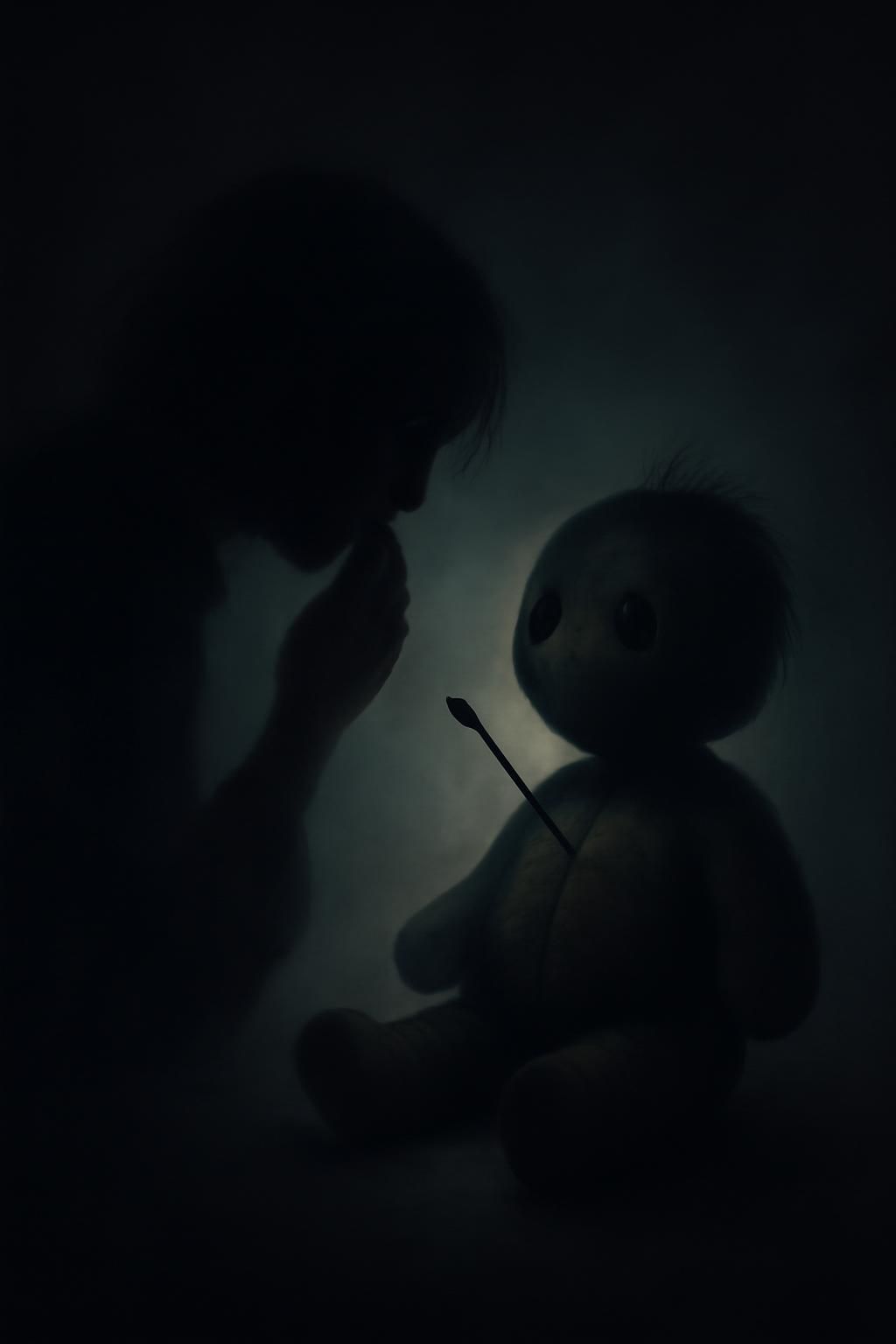
The legend’s most unsettling move is to turn a familiar children’s game inside out. In hide-and-seek, the seeker is supposed to look for the hidden player. Here, the player appoints a doll as seeker, then hides from it alone. The toy is no longer just a prop: within the story, it has become an opponent that may act beyond the player’s control.
The ritual gives that transformation a personal edge. A strand of the player’s hair links the doll to a particular person, while the rice and water make the preparation feel like a deliberate act rather than pretend play. The rules create a small horror story the player performs: invite something in, give it a body, then try to end the encounter before it finds you.
The Ending Is Part of the Fear
The salt-water instruction supplies a prescribed way to close the game, but it also raises the stakes. If the ritual can be ended only by following a specific procedure, then a mistake—or even the fear of making one—becomes part of the threat. The player must trust a rule whose power is never tested safely within the legend.
That is why the warning about playing twice matters. It turns the doll into a watcher that can remember the first game and recognize its former hiding place. The fear is not simply that a toy might move; it is that the player has taught an unseen opponent how they behave. The legend’s most effective hiding place is the gap between a harmless object and the possibility that it knows more than it should.