Why a short burst of stress is different
When a threat feels immediate, the brain signals the adrenal glands to release hormones such as cortisol. These hormones help redirect energy toward urgent needs and temporarily adjust immune activity. That shift can be useful in the moment: the body is prioritizing a fast response, not maintaining every system at its usual setting.
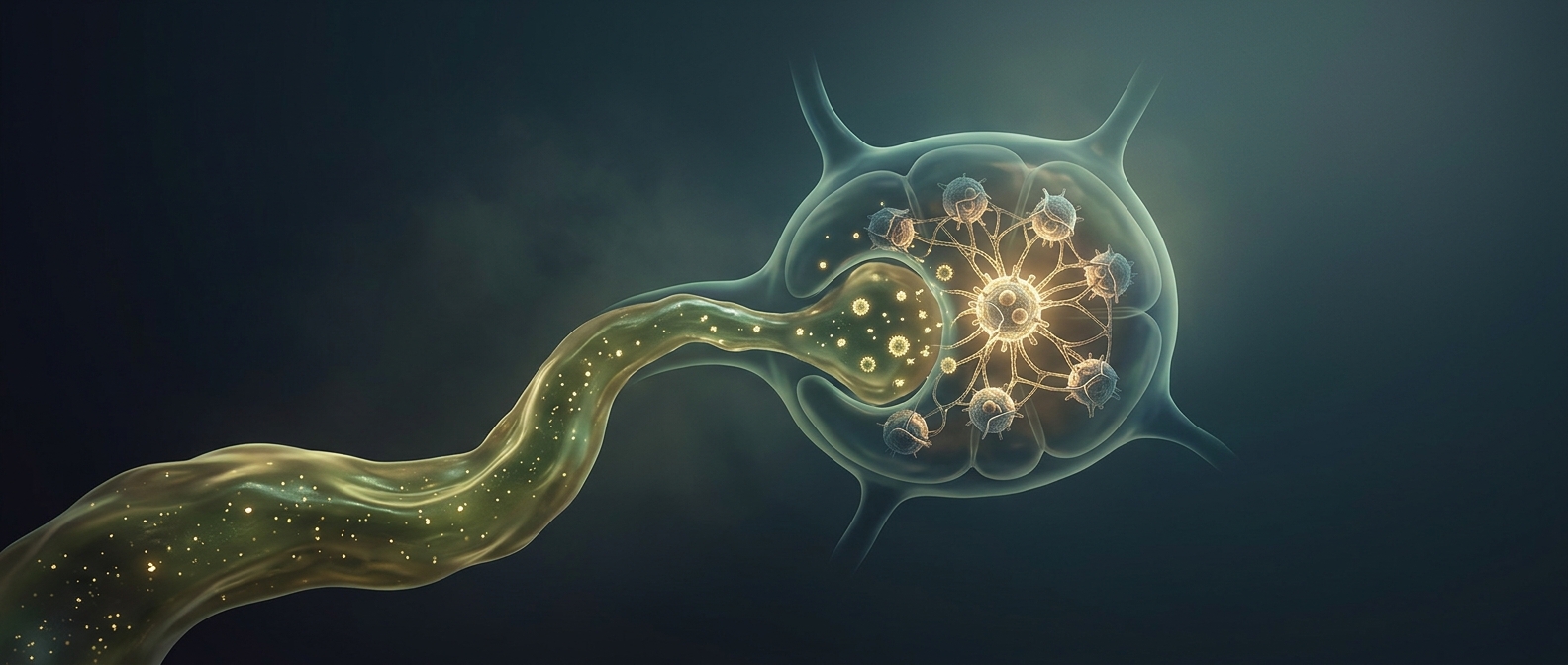
The difficulty is prolonged activation. If stressful demands keep returning without enough recovery, hormone signals may remain elevated or become poorly timed. Immune cells use hormone receptors to interpret those signals, so persistent exposure can alter how readily they respond and how well they coordinate with one another.
A defense that is out of tune
Immune protection is not a single switch. It includes antiviral responses that recognize infected cells, as well as inflammation that helps contain damage. Chronic stress can interfere with the regulation of these processes: some defenses may be less responsive, while inflammatory signals may be harder to shut down. The result is not necessarily a weaker response in every respect, but a less well-balanced one.
That distinction matters when a virus arrives. A well-coordinated immune response needs to detect the threat, act against it, and then ease off. Stress-related disruption can make that sequence less effective, though it does not guarantee that someone will get sick. Sleep, health, and the nature and duration of stress also shape the outcome.
The practical consequence is that recovery is part of the body’s maintenance, not merely a break from work: repeated periods of rest help stress signals subside so immune activity can be regulated more normally.