A hidden scare built from the camera’s own limits
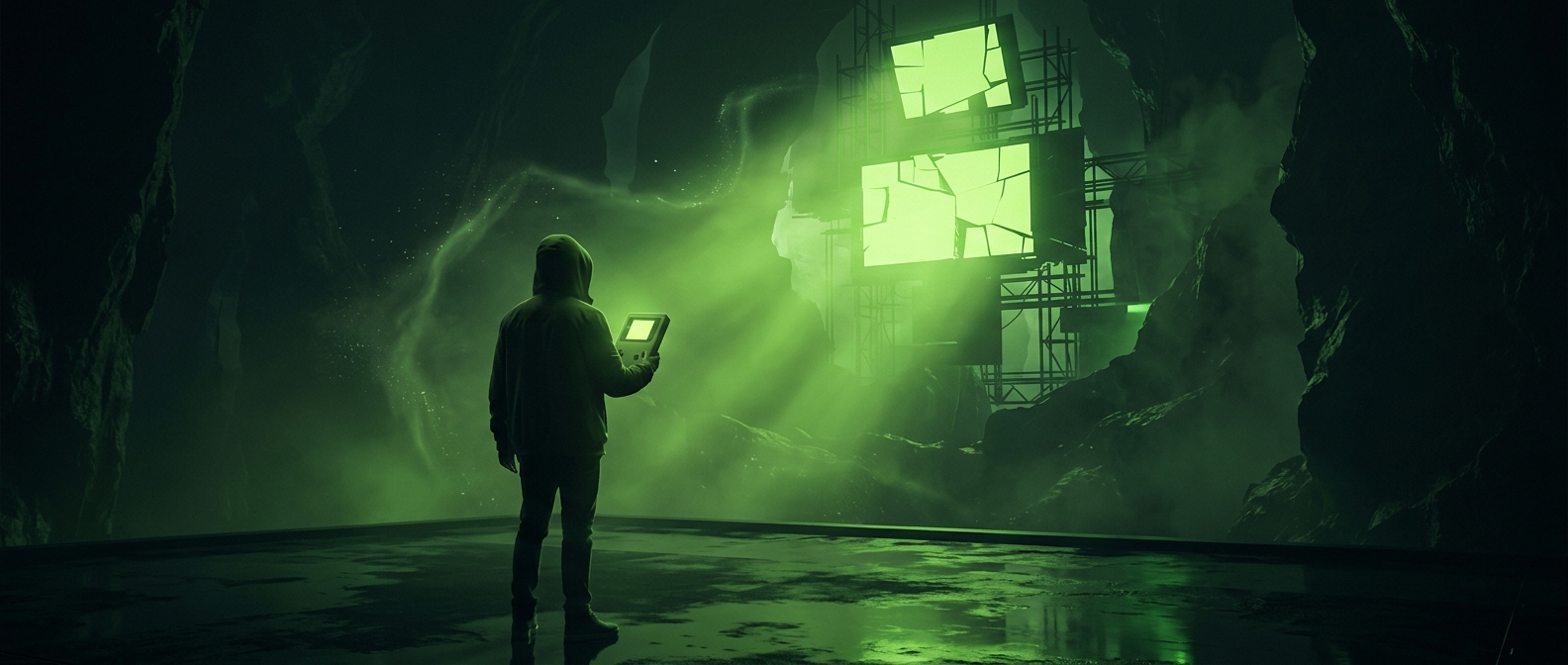
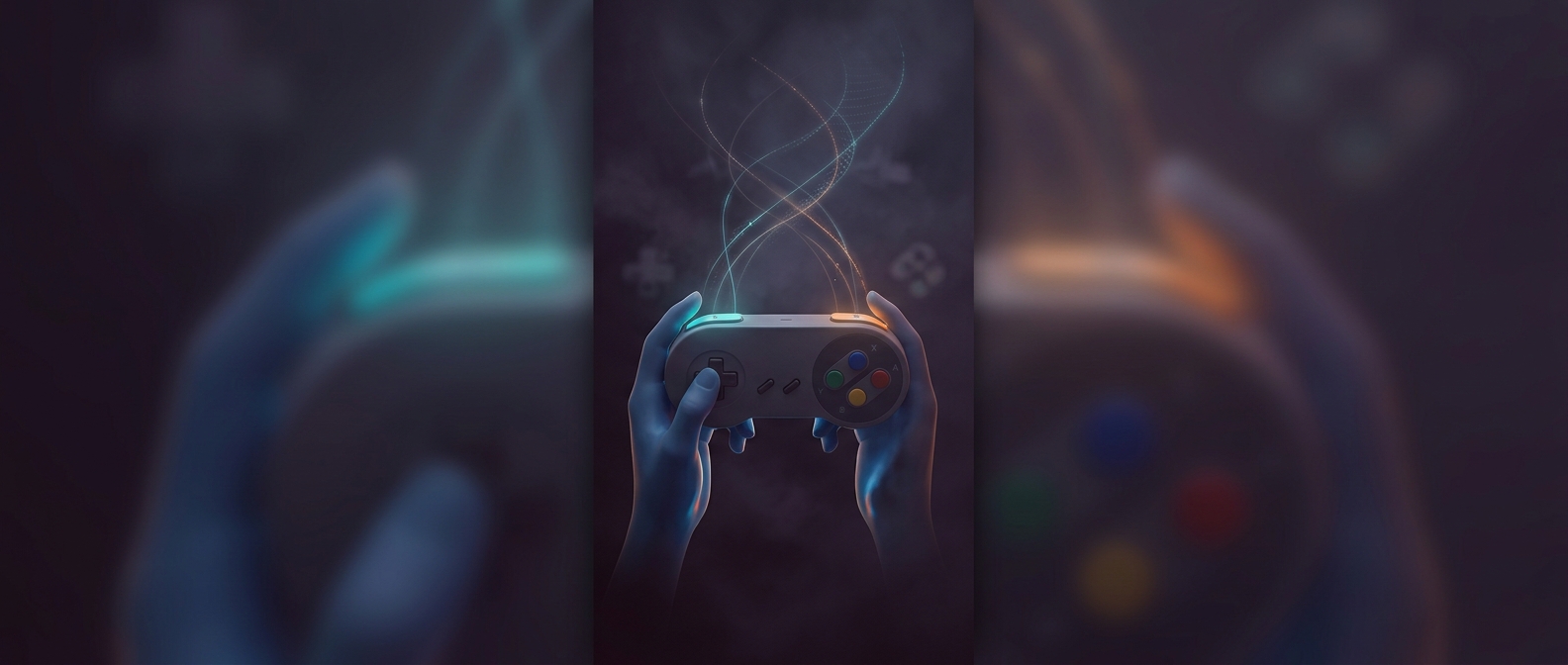
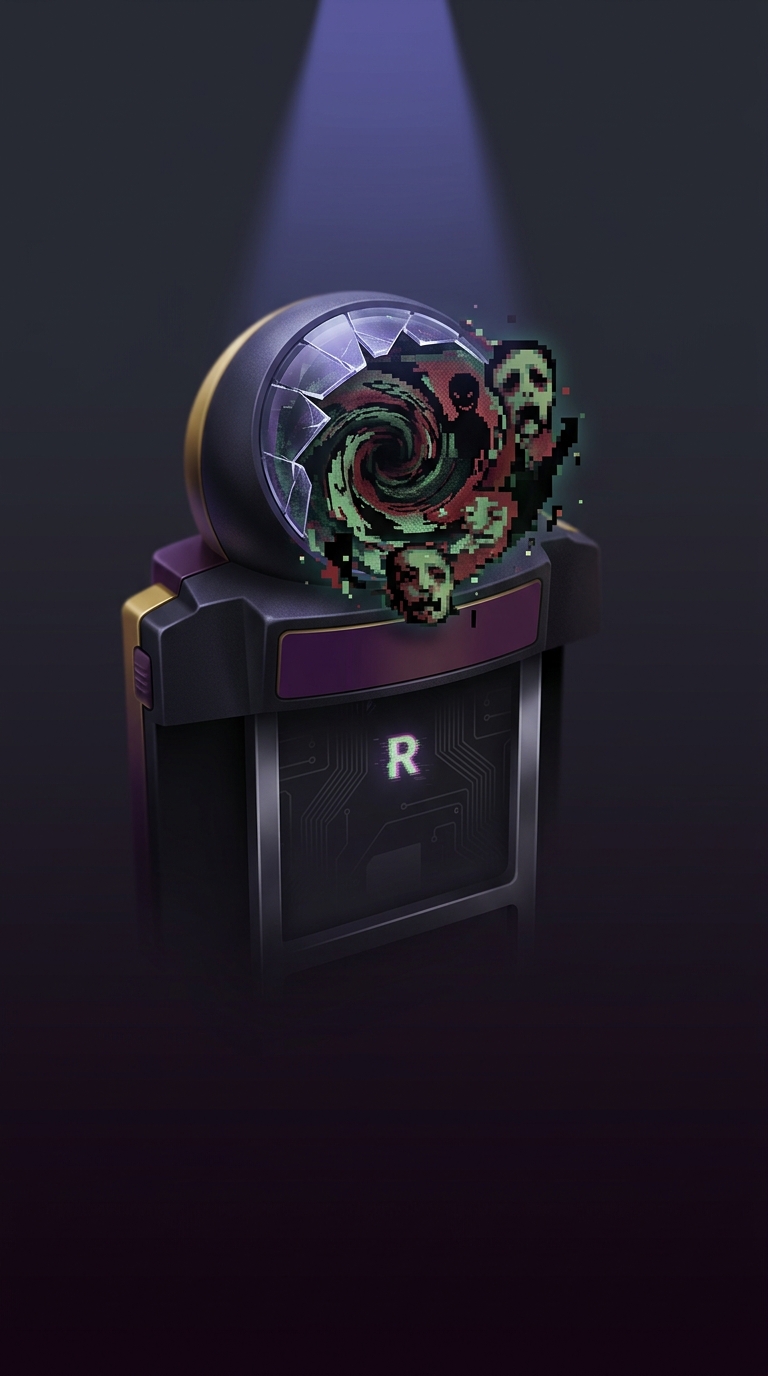
The Game Boy Camera turned photographs into tiny, high-contrast images that the handheld’s screen could display. Faces in that format lose most fine detail: shadows become blocks, and eyes or a grin can look starkly exaggerated. That same crude treatment made the accessory’s hidden portraits unsettling. They were not polished horror illustrations; they looked like ordinary people’s faces distorted by the camera’s severe visual limits.
A button press breaks the menu’s routine
The surprise is tied to an input, not to the camera suddenly malfunctioning. Pressing the Run button in a menu could interrupt the expected flow: the display froze, developer photos appeared, and eerie sounds played alongside the question, “Who are you running from?” The abrupt shift mattered. A familiar menu offered no warning that it might turn into a strange, personal encounter.
The Game Boy Camera was marketed as a playful way to take pictures and make images, so this unsettling detour worked partly because it violated that expectation. Its low-resolution portraits also felt unusually direct: rather than depicting a fictional monster, they showed real faces staring out from the same screen where the user had just been navigating menus.
That contrast is what gives the easter egg its lingering edge. A limited camera meant for games and snapshots briefly made its own developers—and the handheld’s technical constraints—part of the scare.