How a Single Point Becomes a Cloud of Motion
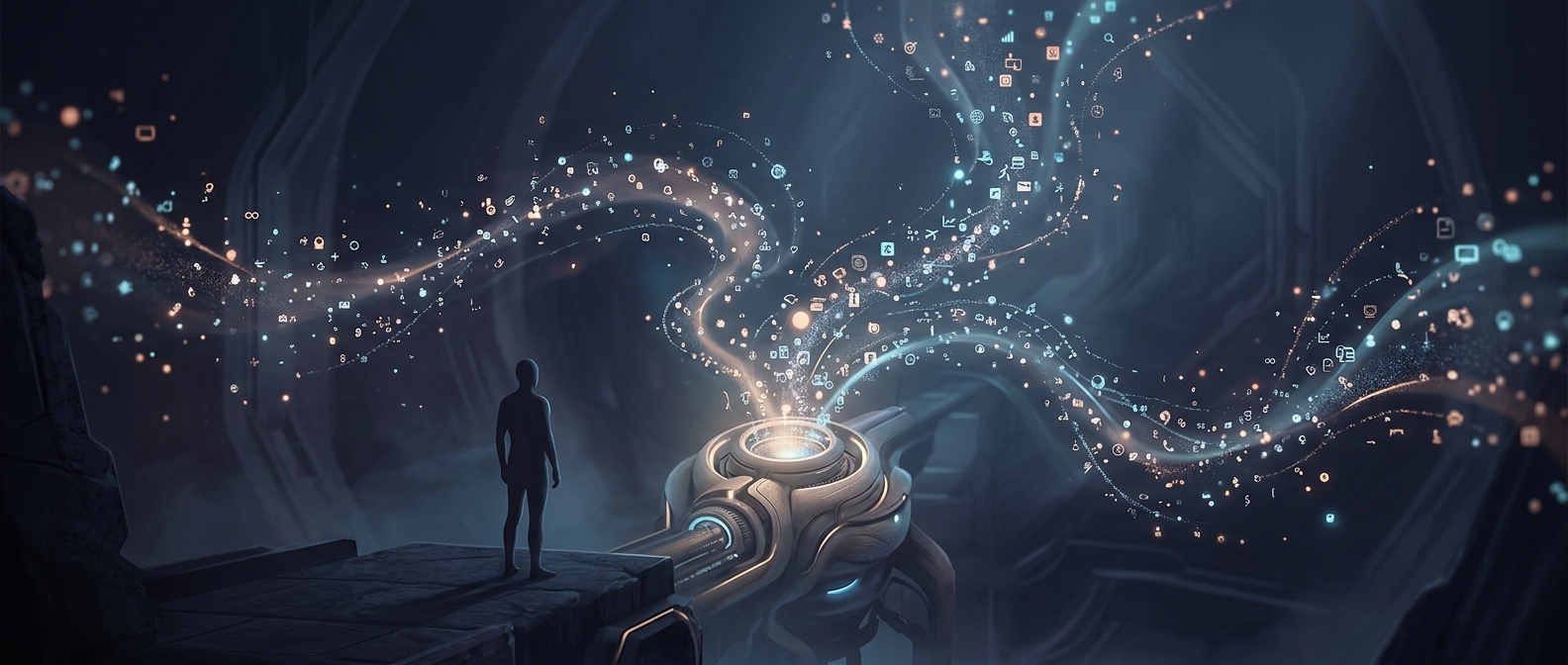
A particle effect begins with an emitter: a point or small area that releases many tiny flat images, called sprites. Each sprite might depict a puff of smoke, a glowing ember, or a fleck of magic. Instead of drawing one complicated cloud frame by frame, the system gives each image simple properties—where it starts, how fast it moves, how long it lasts, and how it changes as it travels.
The emitter can add slight variation to each sprite’s direction, speed, size, and lifetime. Those small differences keep the result from looking like a rigid stream of identical stamps. A game might emit particles from a character’s hand, a chimney, or the point where a spell hits the ground.
Simple Rules Create a Changing Effect
As time passes, the system updates each sprite. Smoke may drift upward, spread out, grow larger, and fade. Fire sparks may shoot away quickly, then dim and disappear. Changing opacity—the transparency of an image—lets a sprite blend into the scene rather than abruptly vanish. Rotation and size changes help the same flat image feel less repetitive.
The depth is an illusion: the sprites remain two-dimensional images, but their motion, scale, transparency, and overlap suggest a volume in space. Lighting and color can reinforce the impression, such as bright particles near a flame becoming darker as they drift away.
Why Developers Use Particles
Because each particle follows a small set of rules, artists and developers can adjust an effect without creating a separate drawing for every moment. More particles can make a plume look dense; longer lifetimes can leave a lingering trail. The same approach can produce very different results by changing the sprite, the emitter’s behavior, and the particles’ fading and movement.
The tradeoff is that every visible sprite must be drawn, so especially dense effects can become costly to render. The practical art is choosing enough particles to sell the smoke, fire, or spell—without asking the computer to process more than the scene needs.