One small tool, many kinds of obstacle
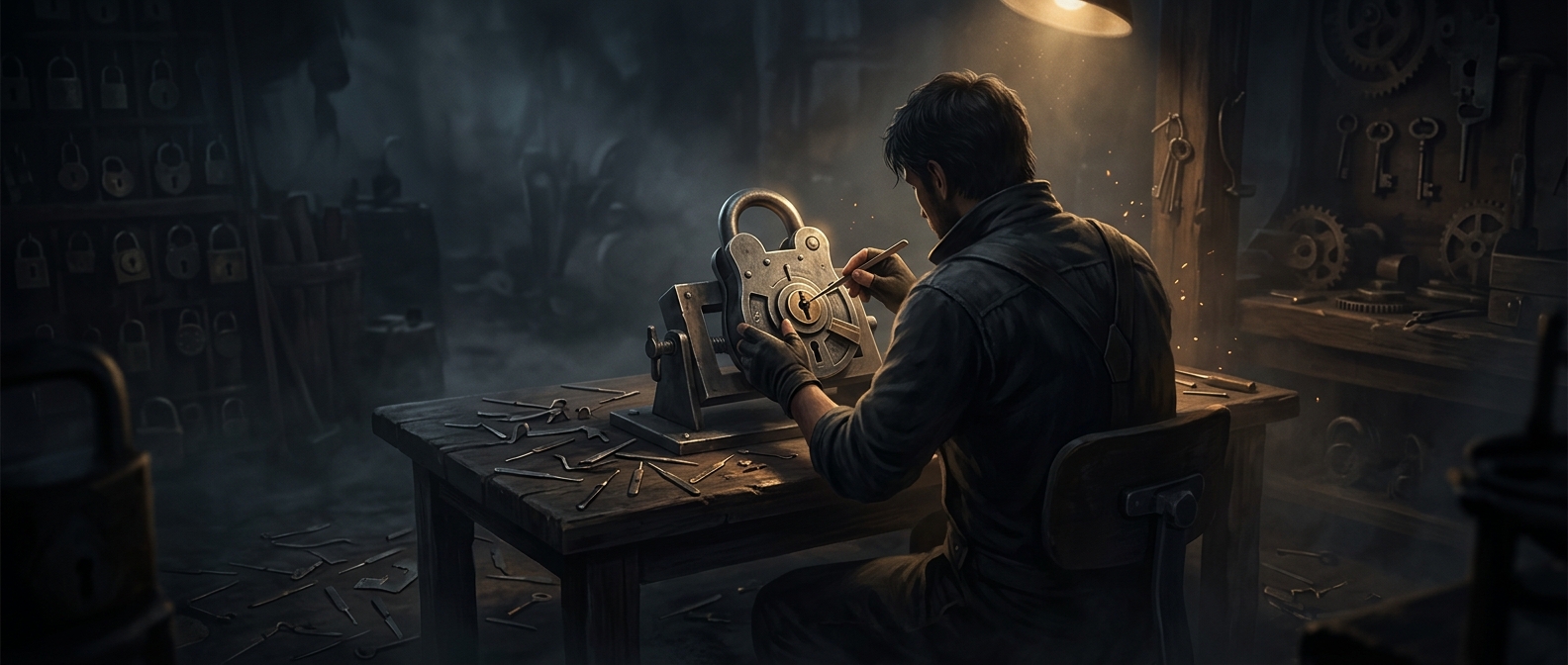
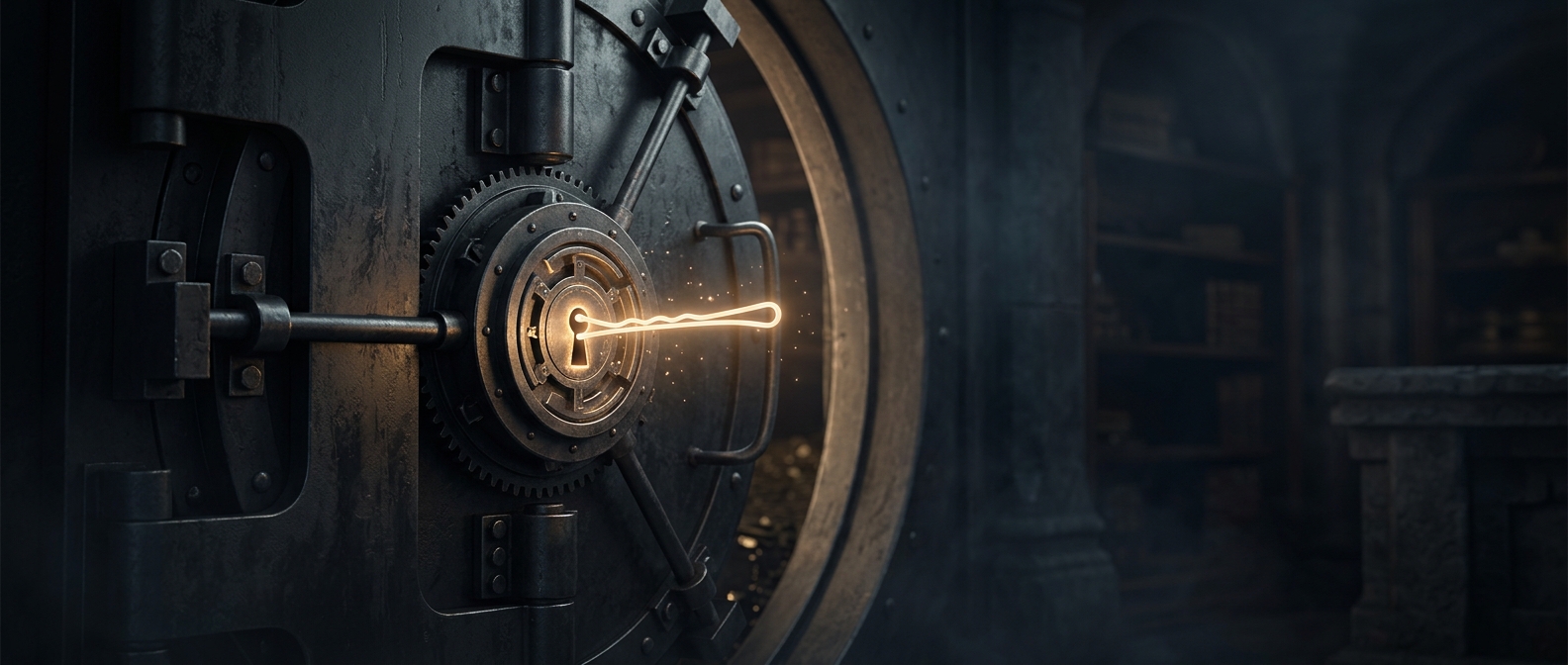
A bobby pin works as a game lockpick because the game often treats a locked door as a single problem: defeat the lock and the way opens. The door may look like reinforced steel, but its strength protects against being forced—not necessarily against someone manipulating its lock. In reality, a pin can only help with certain lock designs, and using one takes skill. Games commonly compress that complication into a recognizable tool and a quick interaction.
The lockpick as a design shortcut
A key is usually specific: it opens one lock, or a small set. A bobby pin can stand for a broader ability—the character can improvise, spot how a mechanism works, or take a risk to get through. That makes it a flexible item for designers. One tool can turn a locked cabinet, vault, or guarded door into an optional route without requiring a separate key for every obstacle.
The simplification also keeps the player focused on decisions. Should they spend time picking the lock, use a scarce key, or make noise by forcing their way in? A short lockpicking challenge can create suspense while letting the player’s timing or skill matter. The pin may be tiny, but the choice it enables can affect the whole encounter.
A useful abstraction, not a universal key
Games bend the physical details to make the system legible. A pin that works on an ordinary door might also work on a vault because the game is signaling, “This obstacle can be solved with lockpicking,” not modeling the engineering of every lock. Some games add limits—pins can break, complex locks take longer, or certain doors cannot be picked—to make the tool feel less universal.
That tradeoff is why the image persists: a flimsy object makes a dramatic contrast with a formidable barrier, while giving the player a practical alternative to finding a key or reaching for explosives.