How a Fake Joint Creates Real Smoke
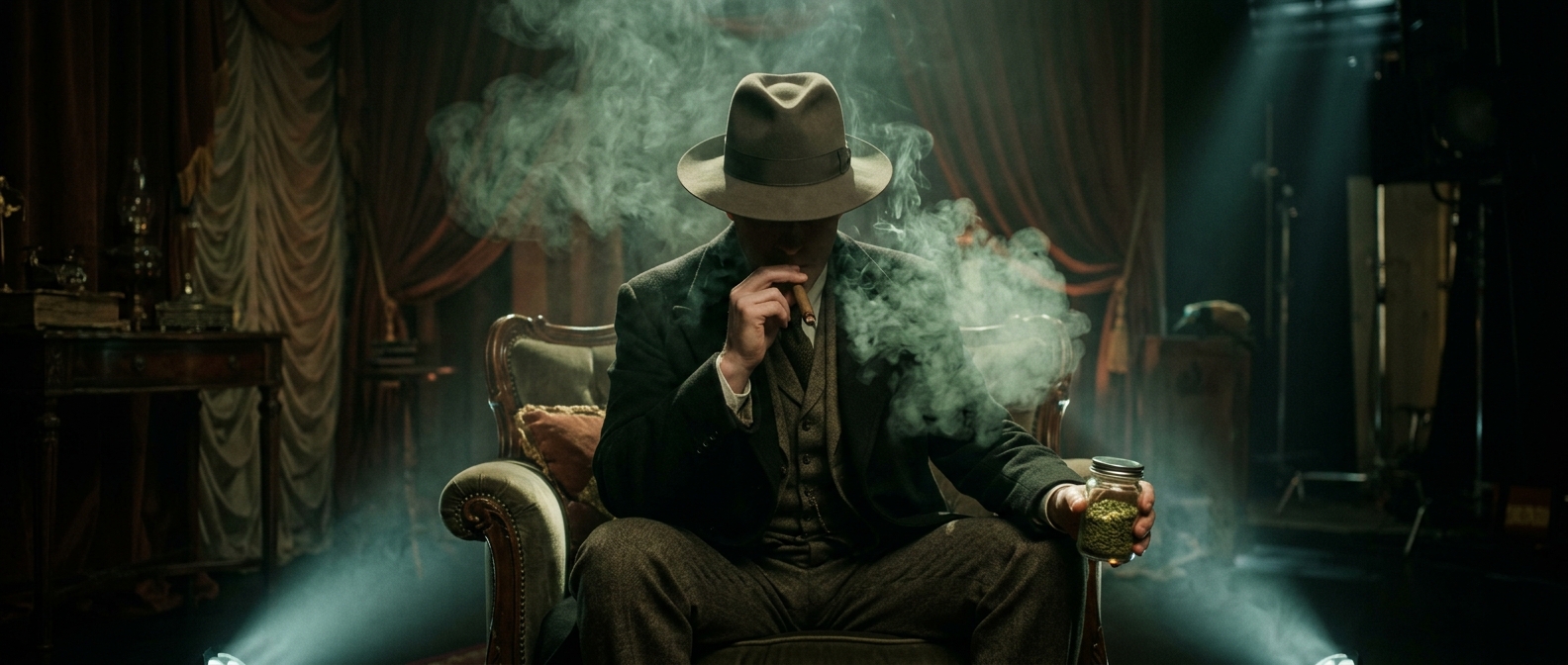
When a scene calls for a character to smoke cannabis, the prop may be a hand-rolled cigarette filled with an herbal blend rather than the drug itself. Oregano is one possible stand-in; other dried herbs can also be used. Once lit, the material burns and produces smoke, giving the camera something visible to catch as the actor takes a puff or exhales.
The substitution is practical: it lets the production stage the action without putting a controlled drug in the prop. It also gives the prop team control over what is being burned. But the smoke is not just a visual effect. A smoldering herb blend has a smell—and the scent can linger on a set, sometimes making a tense scene smell more like a kitchen.
The Camera Sees More Than the Actor Inhales
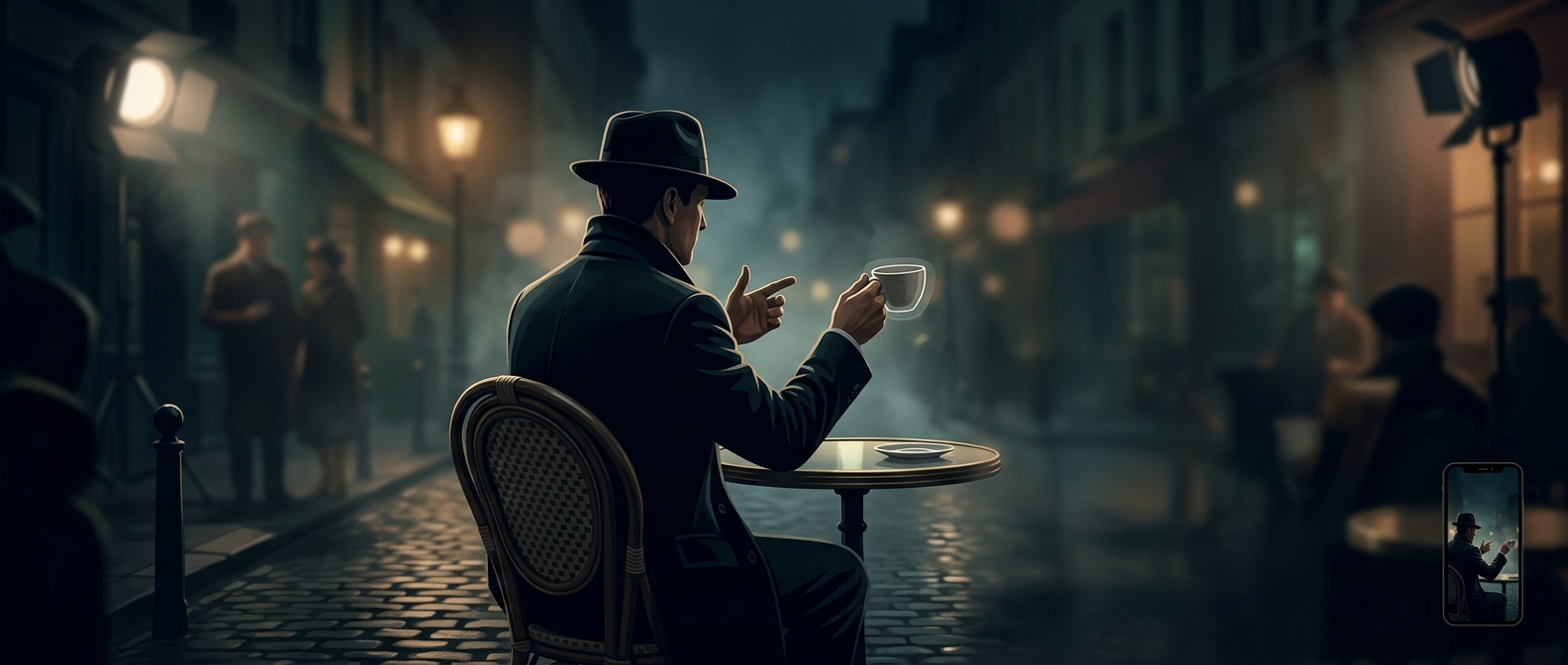
A convincing smoking scene depends on small, repeatable actions: how the actor holds the prop, when smoke appears, and how the next shot matches the last. The prop must look plausible close up, while the actor and crew work around actual smoke. The substitute therefore solves one problem—using the real drug—without making the scene odorless or smoke-free.
That distinction matters: “herbal” describes what is in the prop, not whether burning it is harmless. A film set can make the image of smoking look effortless, but behind the frame, the prop is still a burning mixture with a very real aroma.