Why the Scratches Come in Threes
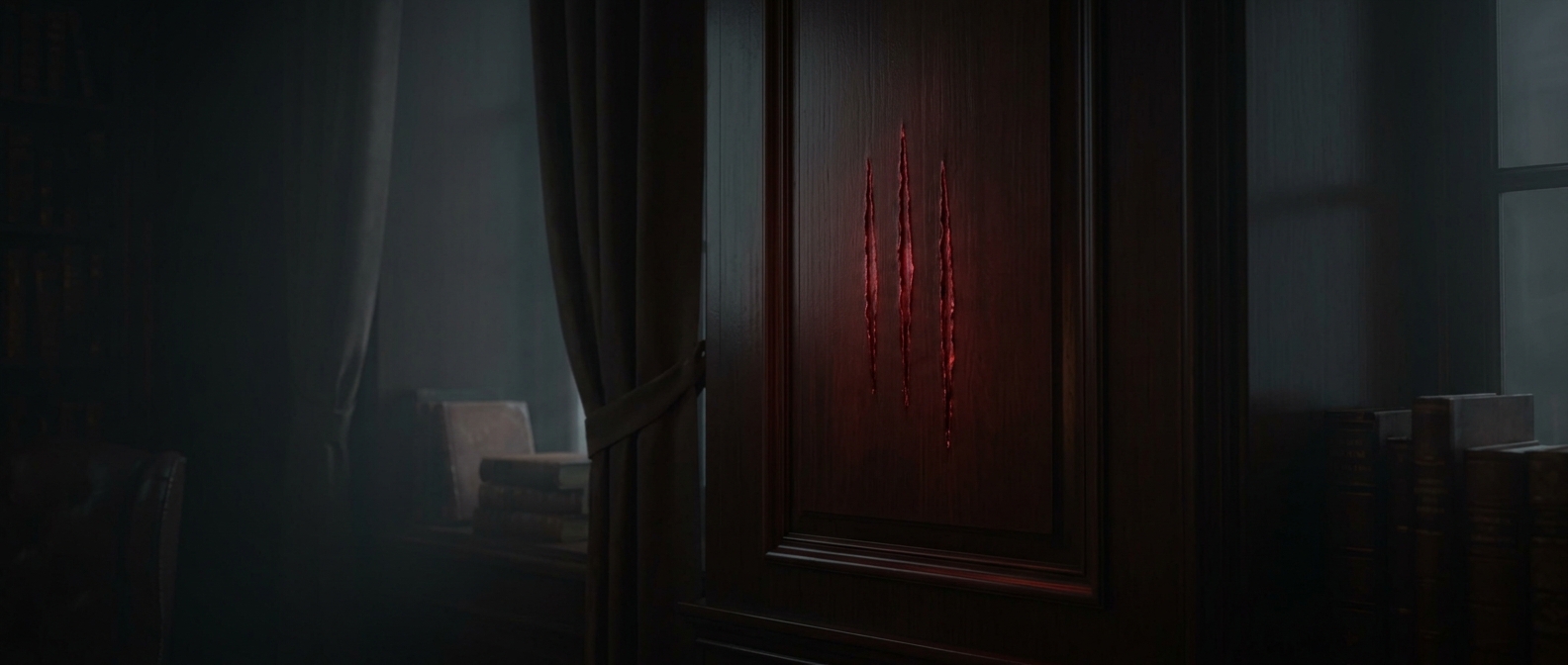
Three parallel marks have a long life in stories about poltergeists because they are easy to recognize and easy to remember. In Christian folklore, the number three can carry religious associations, so a set of scratches may be interpreted as a deliberate, ominous sign rather than an ordinary injury. The meaning comes from the story surrounding the marks, not from a distinctive physical signature.
A Pattern Is Not a Cause
Red lines can result from everyday contact with fingernails, rough surfaces, or other objects. Their appearance alone cannot establish what made them. When people already suspect an unseen presence, a striking pattern can seem to confirm that belief: the marks are noticed, matched to the legend, and retold as evidence of an attack. That is how a familiar motif can shape the interpretation of an otherwise ambiguous injury.
Folklore treats the scratches as a message from an unseen attacker; the marks themselves do not prove that such an attacker exists. The memorable detail is the contrast between a simple pattern on skin and the elaborate supernatural meaning people may attach to it.