Why One Order Can Hold Up Every Car
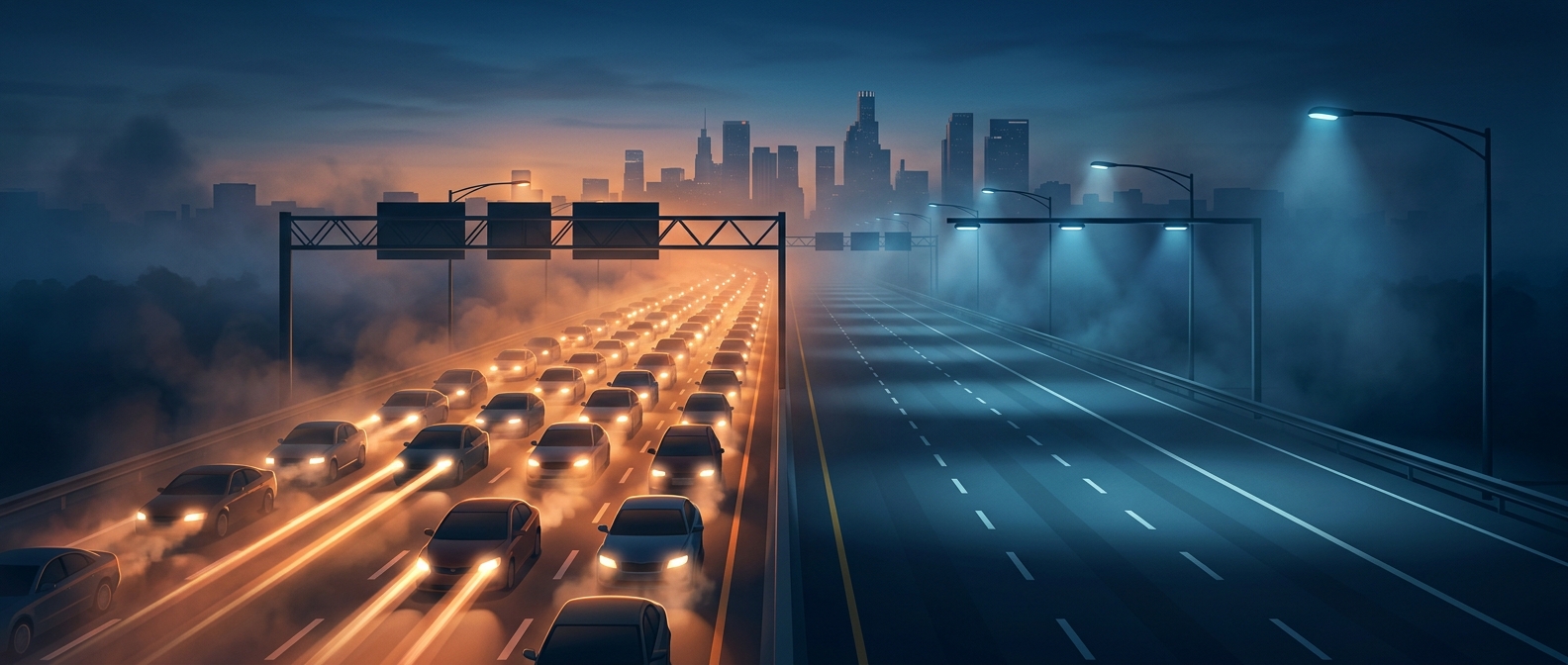
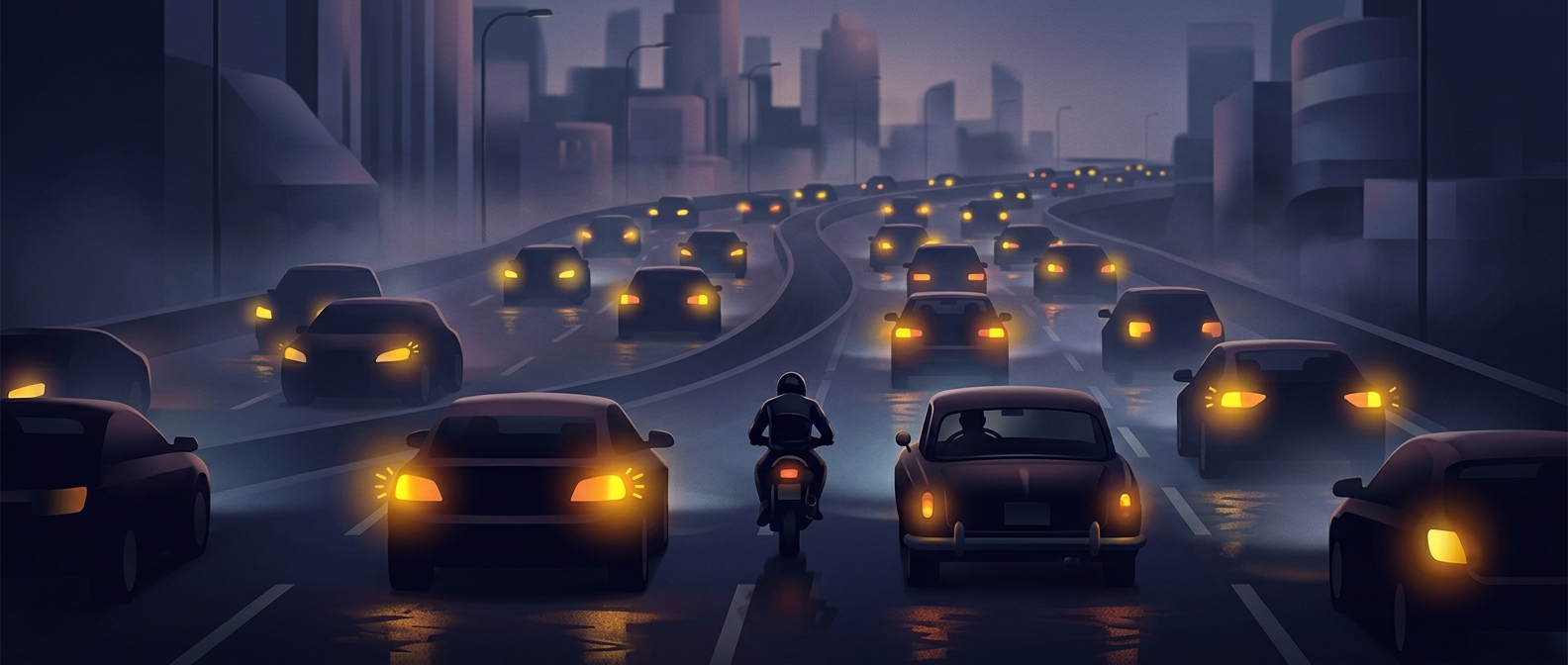
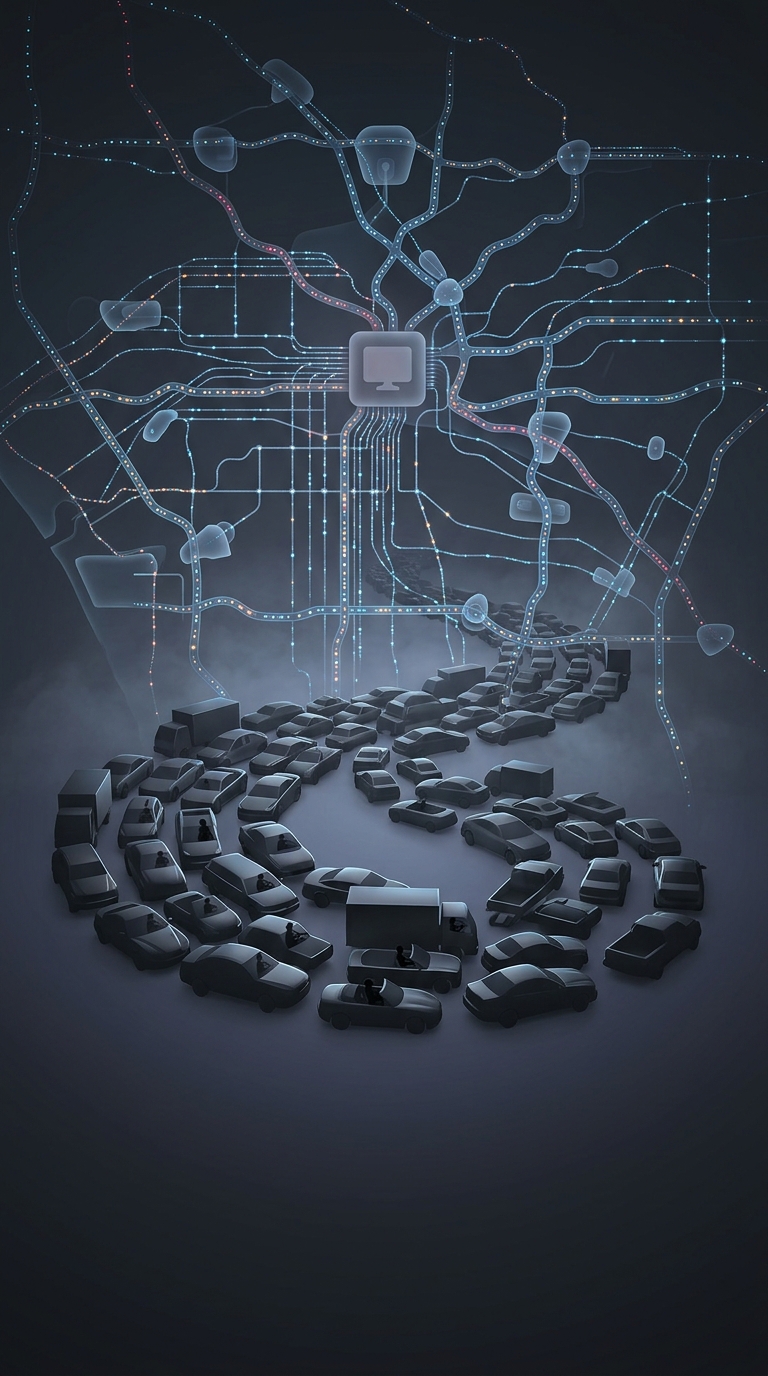
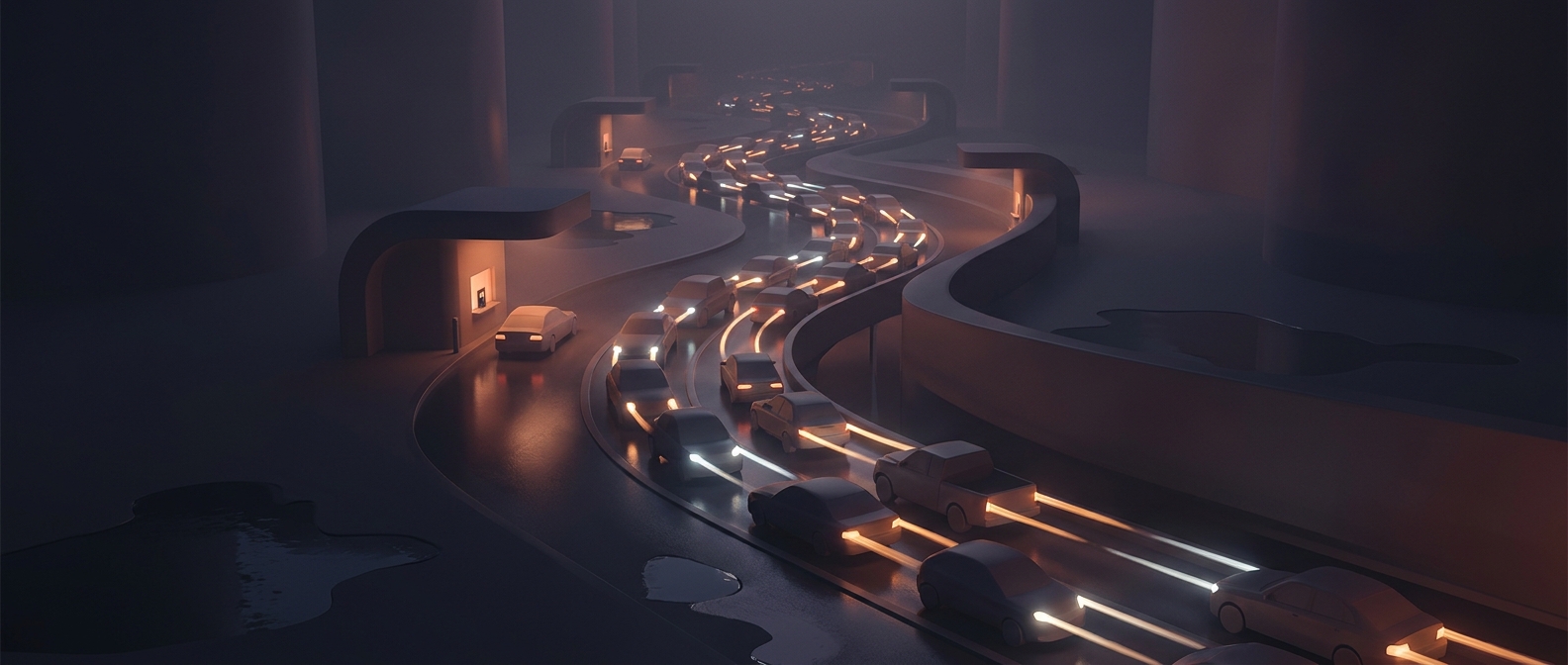
A drive-up lane is a queue with almost no room to rearrange itself. Once vehicles enter a single-file lane, each one effectively occupies the space the next needs to reach the ordering point, payment window, and pickup window. A customer who needs extra time to decide—or whose order takes longer to prepare—can therefore delay people whose own transactions would be quick.
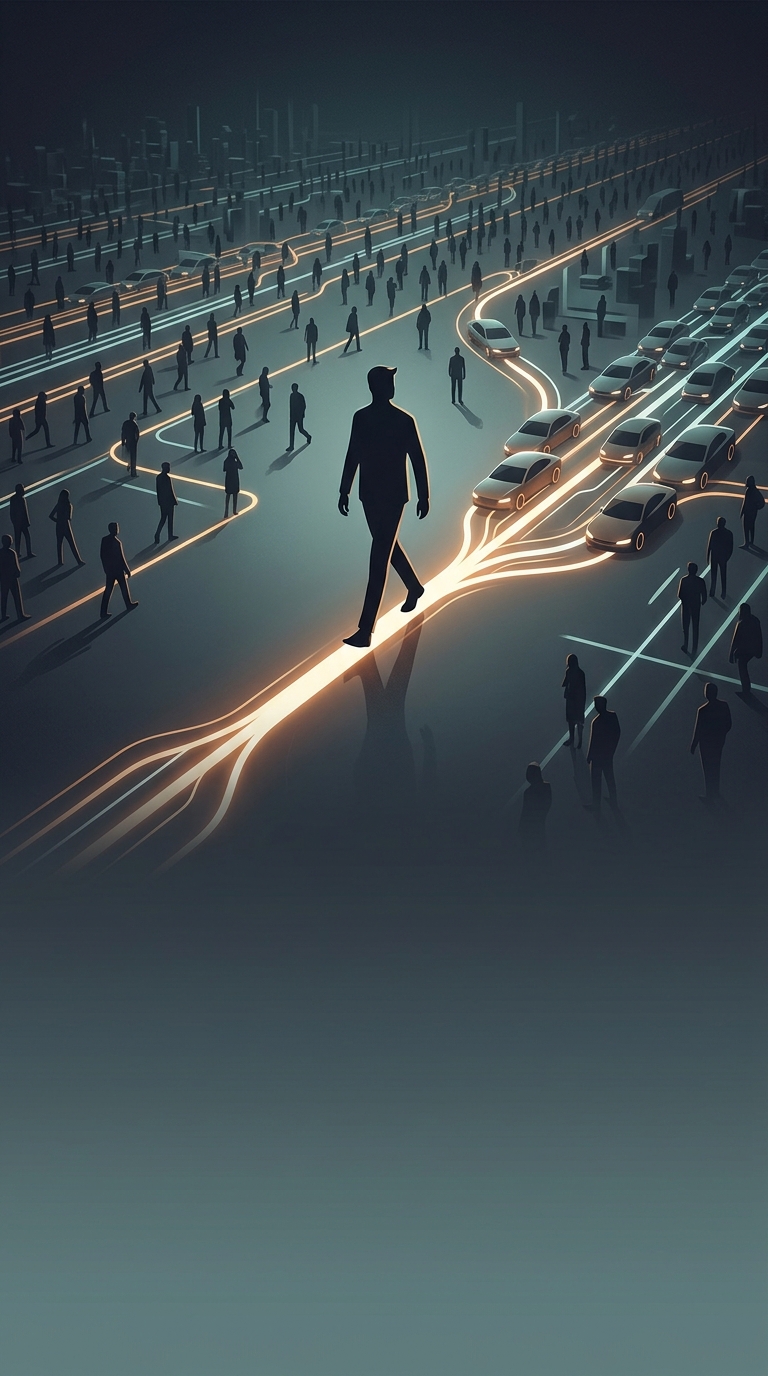
The deeper problem is variation in service time. Orders do not take the same amount of time: a simple drink may be ready quickly, while a larger or more customized order can require extra preparation. Even if the average order is fast, a few unusually slow ones can make the line grow because following cars cannot pass and start service elsewhere.
The Kitchen Sets the Pace, Too
The speaker box is only the first stop. A restaurant may take an order quickly but still need time to prepare it, so the window cannot always hand the next car its food immediately. If orders arrive faster than the kitchen can complete them, vehicles accumulate in the lane. The line’s visible length is thus shaped by both the customer interaction and the kitchen’s capacity—not just by how quickly someone speaks into the microphone.
This creates a practical tradeoff for restaurant designers. A compact single lane uses less space and keeps cars in a predictable order, but it gives a slow transaction power over everyone behind it. A second lane or a bypass can let some vehicles move around a delay, yet requires more land, careful traffic routing, and a way to keep orders matched to the right cars.
Why the Backup Reaches the Street
When arrivals exceed the rate at which orders can be completed, the queue needs somewhere to grow. If the lane has limited storage space, waiting cars can spill into a parking lot or onto a public road, where they may interfere with other traffic. The bottleneck is not merely that one driver is taking longer; it is that the layout gives the line nowhere to absorb that delay except behind the stalled car.