Why a Corner Can Stop a Fast-Moving Game
In a roll-and-move game, a turn usually follows a simple rhythm: roll, count spaces, move. A corner square can interrupt that rhythm by making the player stop, wait, or take a penalty instead of continuing around the board.
That interruption matters because movement is often the main way a player makes progress. A forced pause can give opponents time to catch up or change what happens before the player gets another turn. The square therefore affects more than one piece’s position: it can alter the pace of the whole game.
A Small Square, a Big Timing Effect
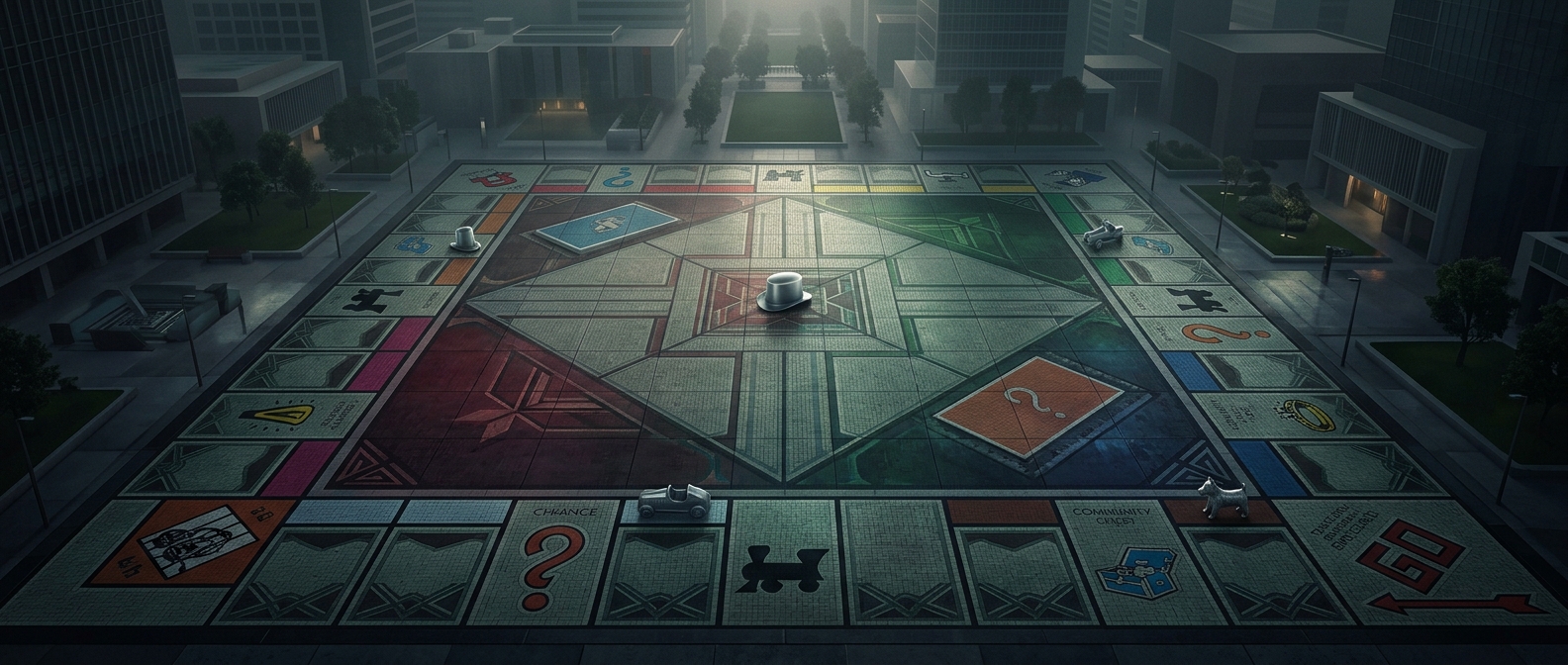
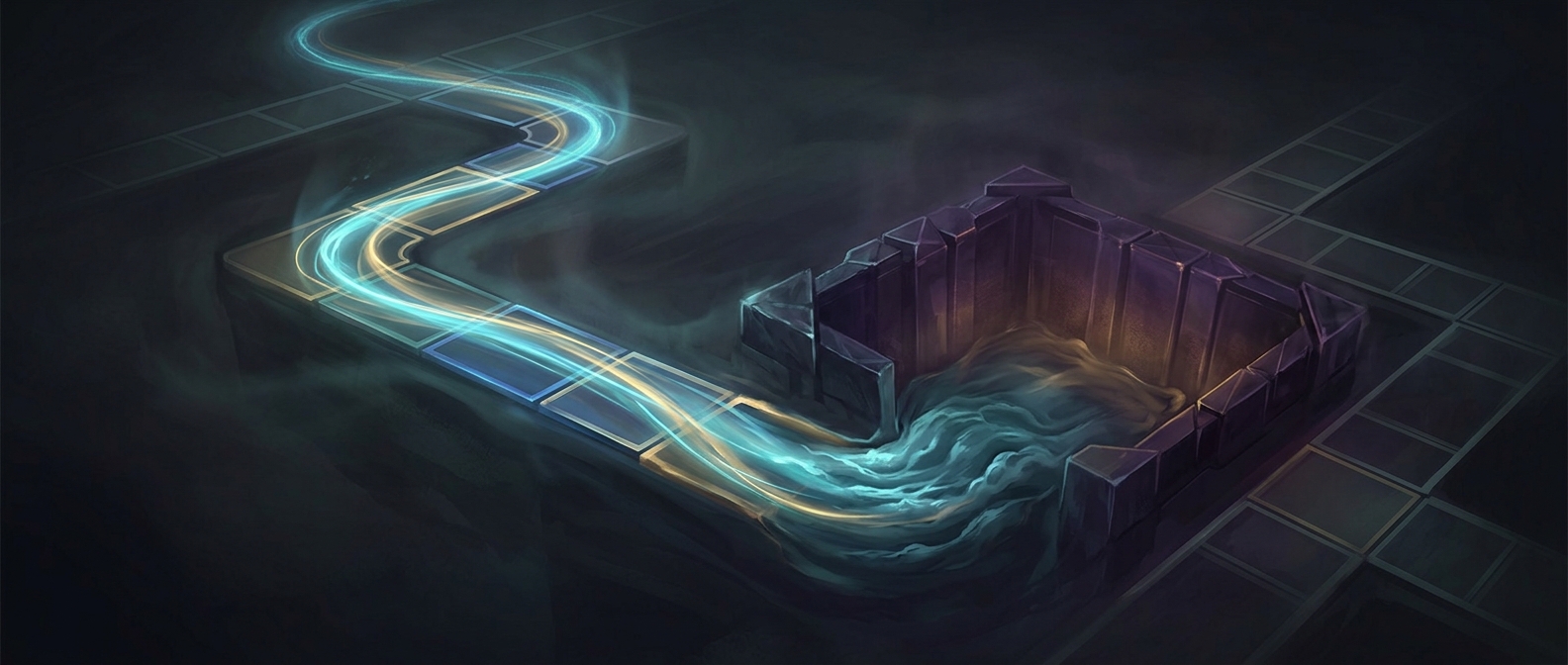
A corner is a natural place for a rule to have extra impact. Players pass through it as they circle the board, so its effect can recur without requiring a special route. When the rule delays a player, a quick sequence of rolls and moves becomes less predictable—and a player who seemed to be advancing smoothly may lose momentum at a critical moment.
The result is a tradeoff built into the board: movement stays easy to understand, but progress is not guaranteed to be steady. A single corner can turn a brisk lap into a pause that gives everyone else a chance to respond.