A hiding game built around a delayed reveal
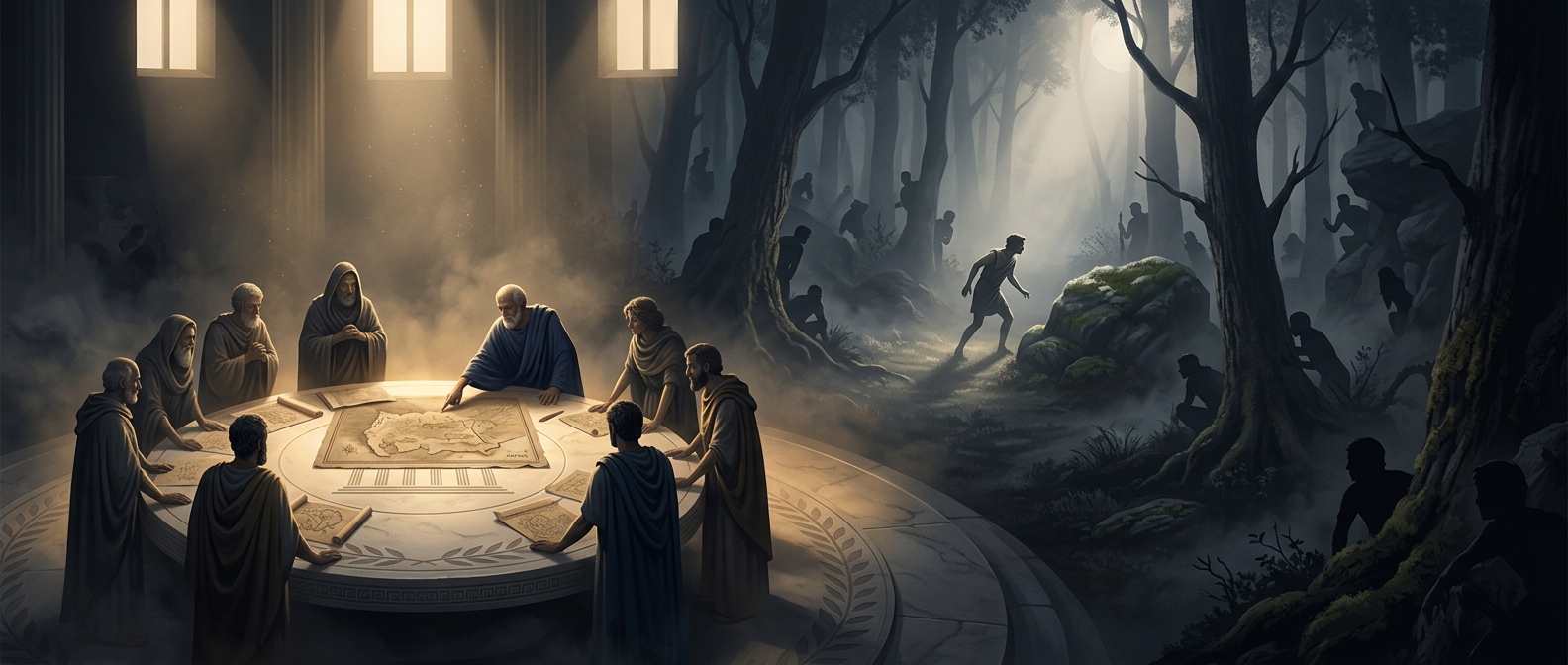
Ghost in the Graveyard turns a simple search into a suspenseful group game by separating the players into two roles: one person hides, while the others gather at a designated home base, often a tree. The seekers then spread out to find the hidden player. Darkness makes the search harder, but the tension comes just as much from not knowing when or where the “ghost” will appear.
In many versions, spotting the ghost triggers a shouted warning—often “Ghost in the graveyard!”—and a race back to base. The hidden player may chase and tag the others before they reach safety. Rules vary from one group to another, so details such as who becomes the next ghost can differ.
Why the scare is part of the design
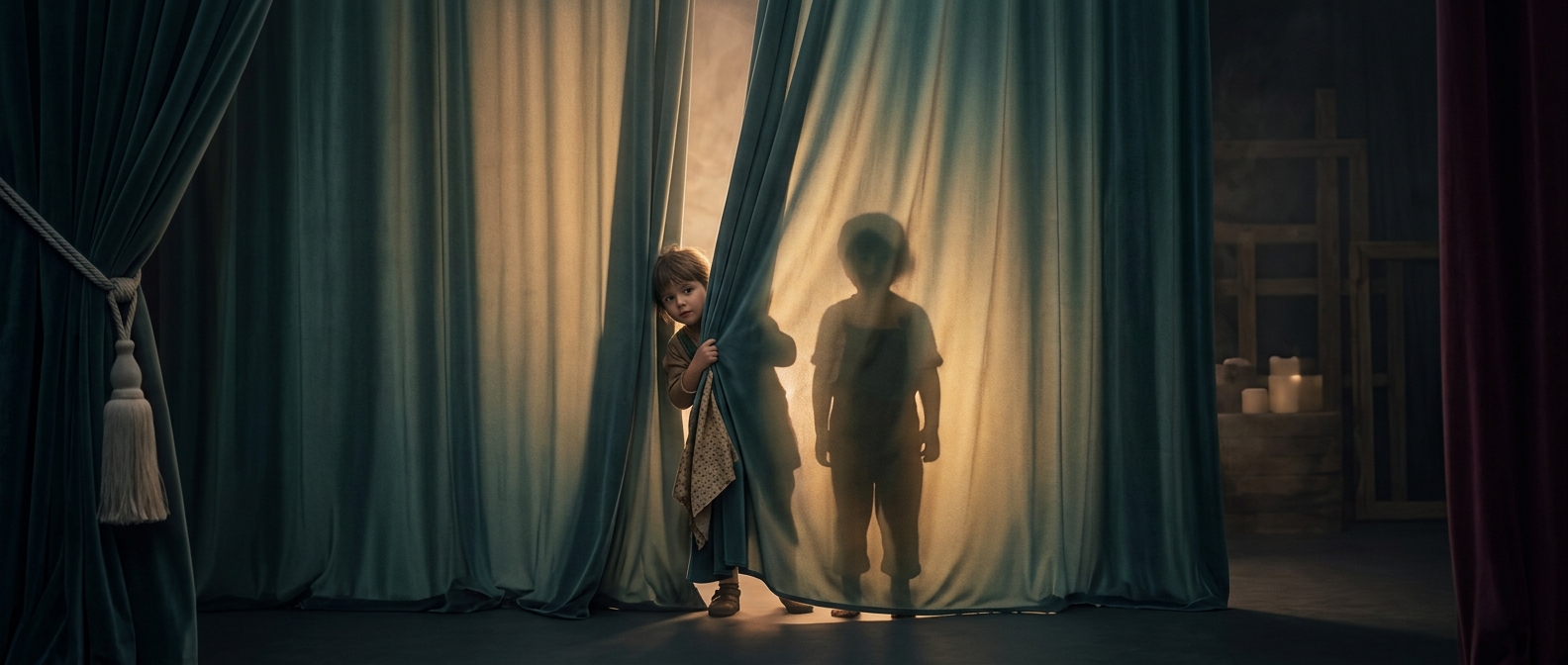
The game gives the hider control over the reveal: they choose a hiding place and wait while the seekers approach. That creates a shared moment of uncertainty. A rustle or a sudden figure can make several players react at once, and the startled shouting becomes part of the fun rather than an interruption to it.
The home base also gives the chase a clear purpose. Players are not simply running away from a frightening surprise; they are racing toward a known safe point. That combination—uncertain hiding place, sudden discovery, and an obvious escape route—makes the game easy to adapt to a yard or other open space. It also explains why the same round can feel suspenseful during the search and chaotic the instant the ghost is found.