How Napoleon Turned Military News Into Political Messaging
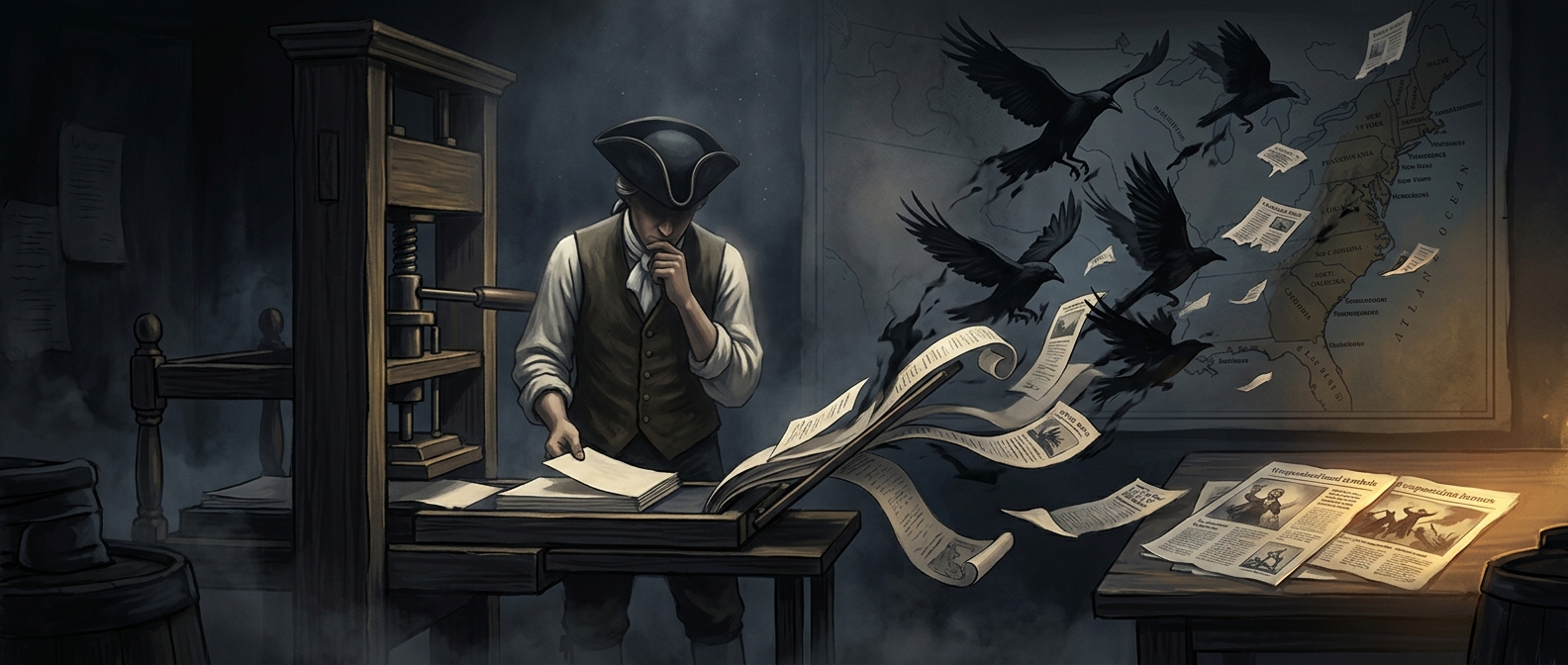
Napoleon’s army did more than fight battles. It also carried dispatches, printed proclamations and official reports through territory where news traveled slowly. That gave the French leader a way to reach soldiers and civilians with his account of events before rival explanations could spread as widely.
The bulletins were not neutral battlefield summaries. They emphasized successes, presented setbacks in the least damaging terms, and helped portray Napoleon as a commander in control. A victory could be made to seem decisive; a retreat might be framed as a deliberate move rather than a costly reversal. The point was not simply to record what happened, but to shape what people thought it meant.
Why the Army Was an Effective Network
In the early nineteenth century, there was no instant mass communication. Printed news had to be composed, reproduced and physically transported. An army already had couriers, staff officers and supply routes moving between headquarters, units and towns. By sending bulletins along those routes, Napoleon could use the machinery of war to circulate political news as well.
The reports could reach troops who were far from Paris, reinforcing loyalty and morale. Their circulation beyond the army also helped carry the government’s preferred version of events into the wider public sphere. The same message could be repeated at multiple stops, gaining authority from the fact that it arrived through official channels.
The Cost of Controlling the Story
This strategy made information part of command. A battlefield outcome mattered, but so did the first account people heard and the language used to describe it. By directing that account, Napoleon could turn military reporting into a tool for sustaining confidence in his leadership.
The comparison with a viral post has limits: these bulletins moved at the speed of horses and printing presses, not screens. But the underlying tactic was recognizable—use an existing network to spread a carefully shaped message, and make the account of an event part of the struggle over its consequences.