Stonehenge belonged to a much older world
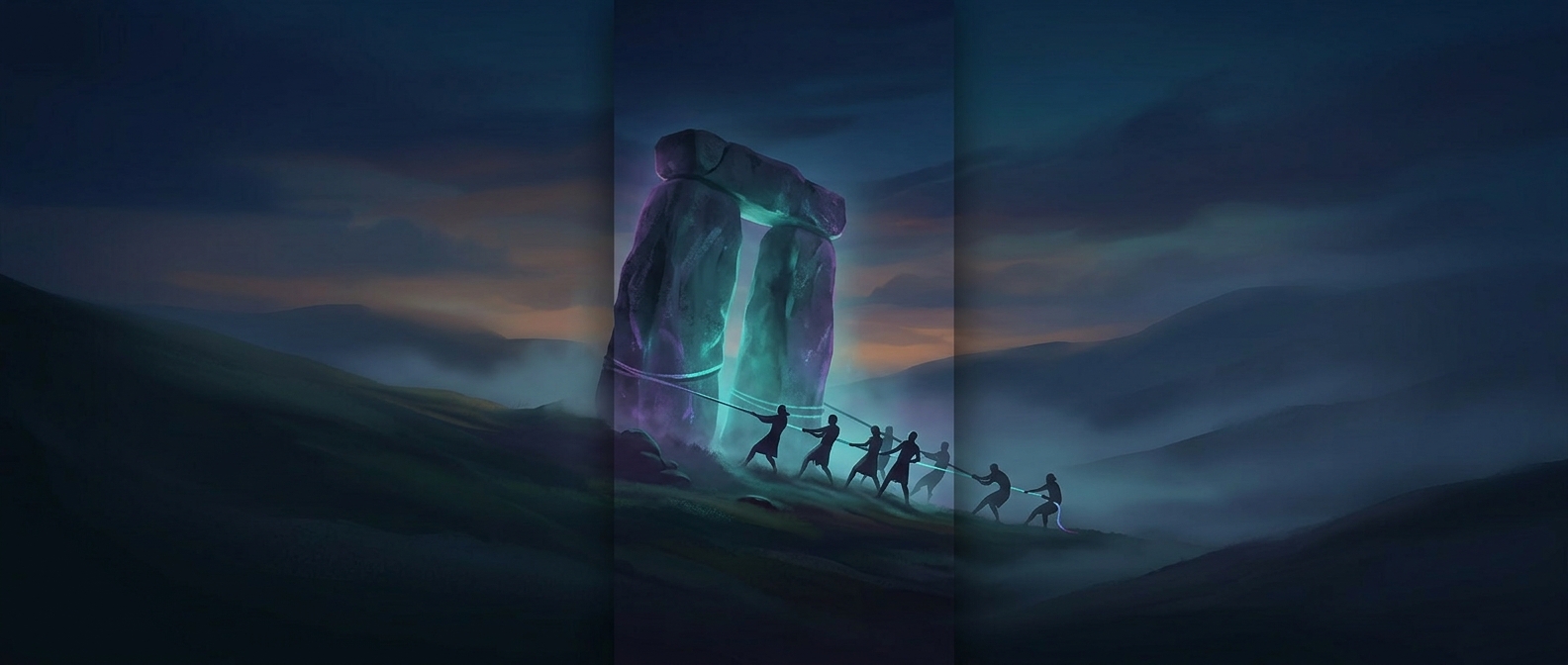
The stones’ great circle took shape around 2500 BCE, long before Celtic Druids appeared in Britain. A Druid was a member of a learned religious class in Celtic societies, associated with ritual and teaching. The gap is not a small uncertainty in the timeline: it spans roughly 2,200 years.
Stonehenge was also not built in a single burst. Its builders altered the site over generations, leaving traces of changing practices in the surrounding landscape. By the time Druids were part of Britain’s religious world, the stone circle was already an ancient monument. They may have encountered it as a feature of an inherited past, but that is different from having designed or raised it.
How the two became linked
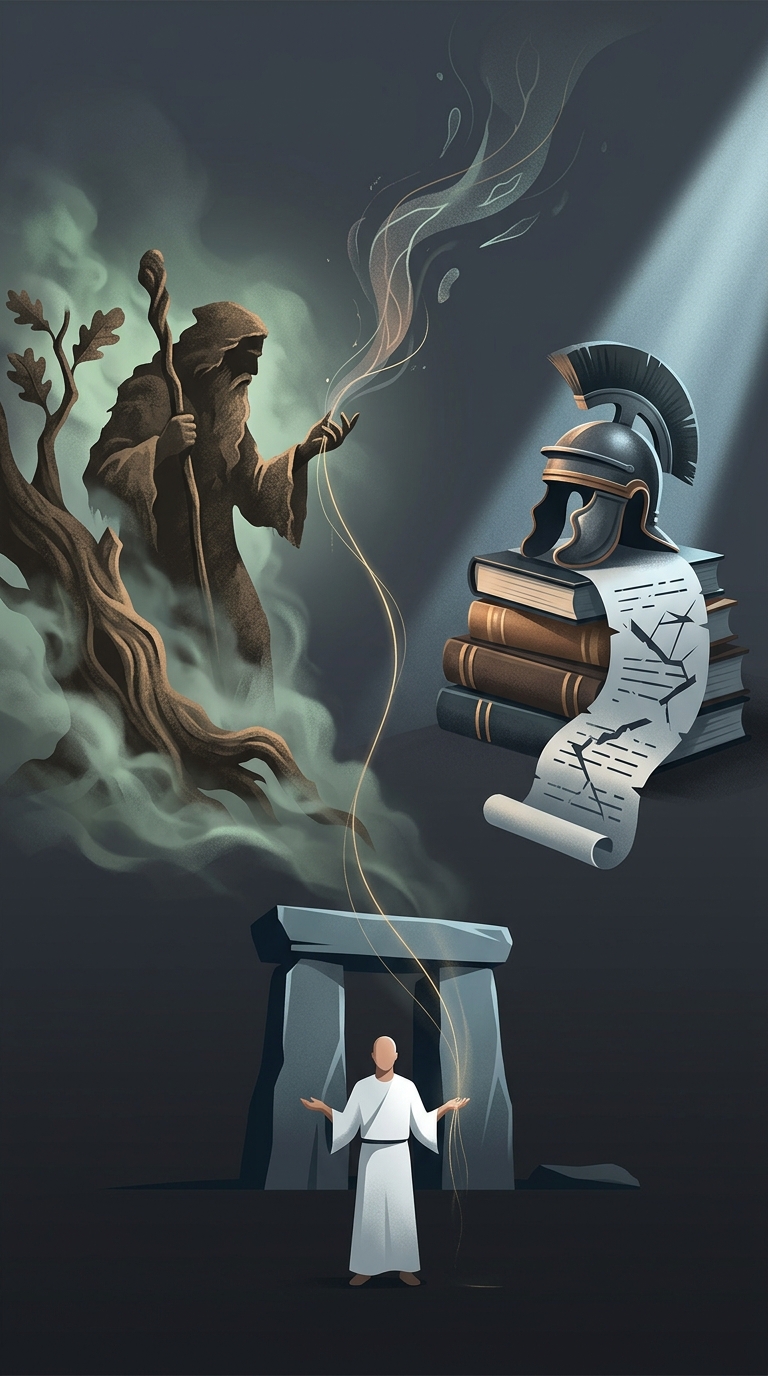
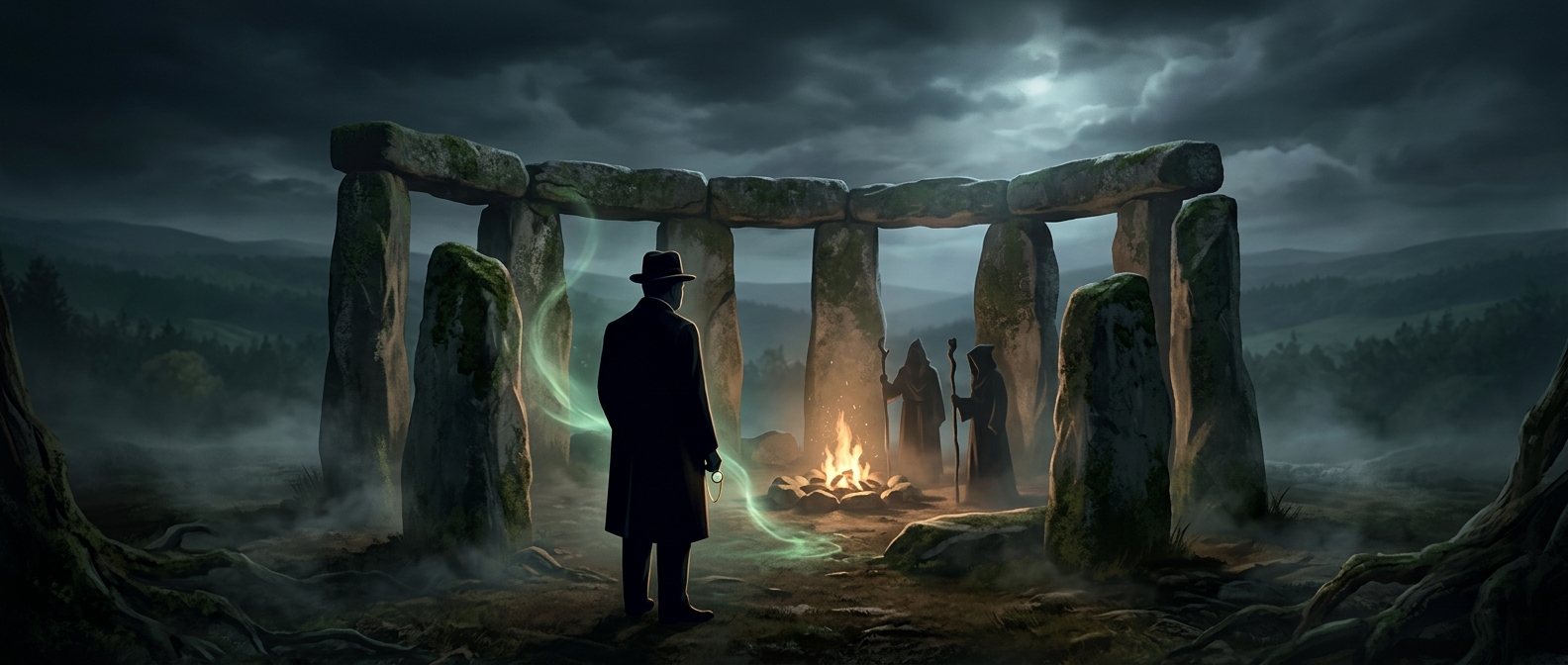
The familiar image of Druids at Stonehenge took hold much later, when antiquarians tried to explain who had built the monument. Some interpreted its massive stones as evidence of the Druids described in accounts of Celtic life. That theory made a compelling story, but it joined two things that belong to very different periods.
The distinction matters because Stonehenge’s builders left no written account explaining their intentions. Archaeologists can study the monument’s construction and use, but assigning it to Druids would require evidence the chronology does not support. The stones were already ancient before Druids appeared in Britain. The enduring association tells us more about later attempts to make sense of a mysterious monument than about who built it.