Getting waste to the right compartment
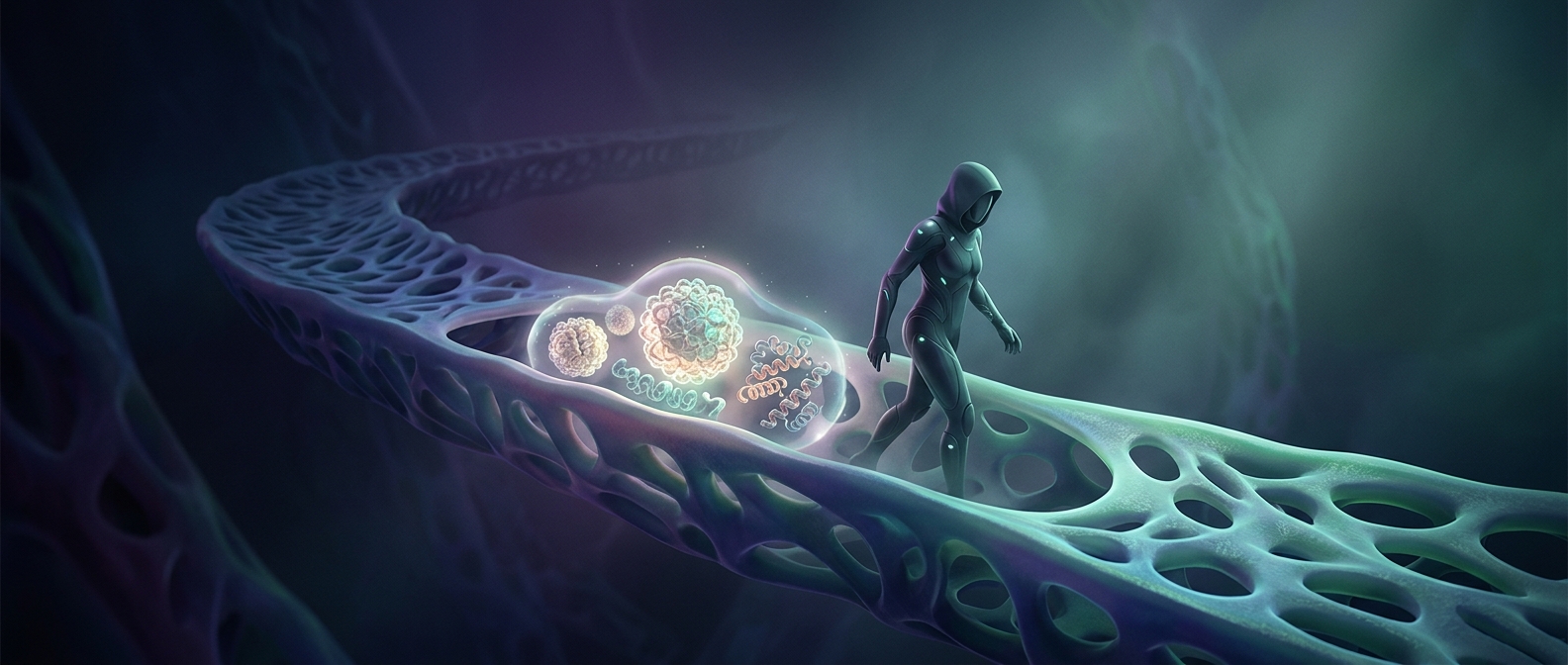
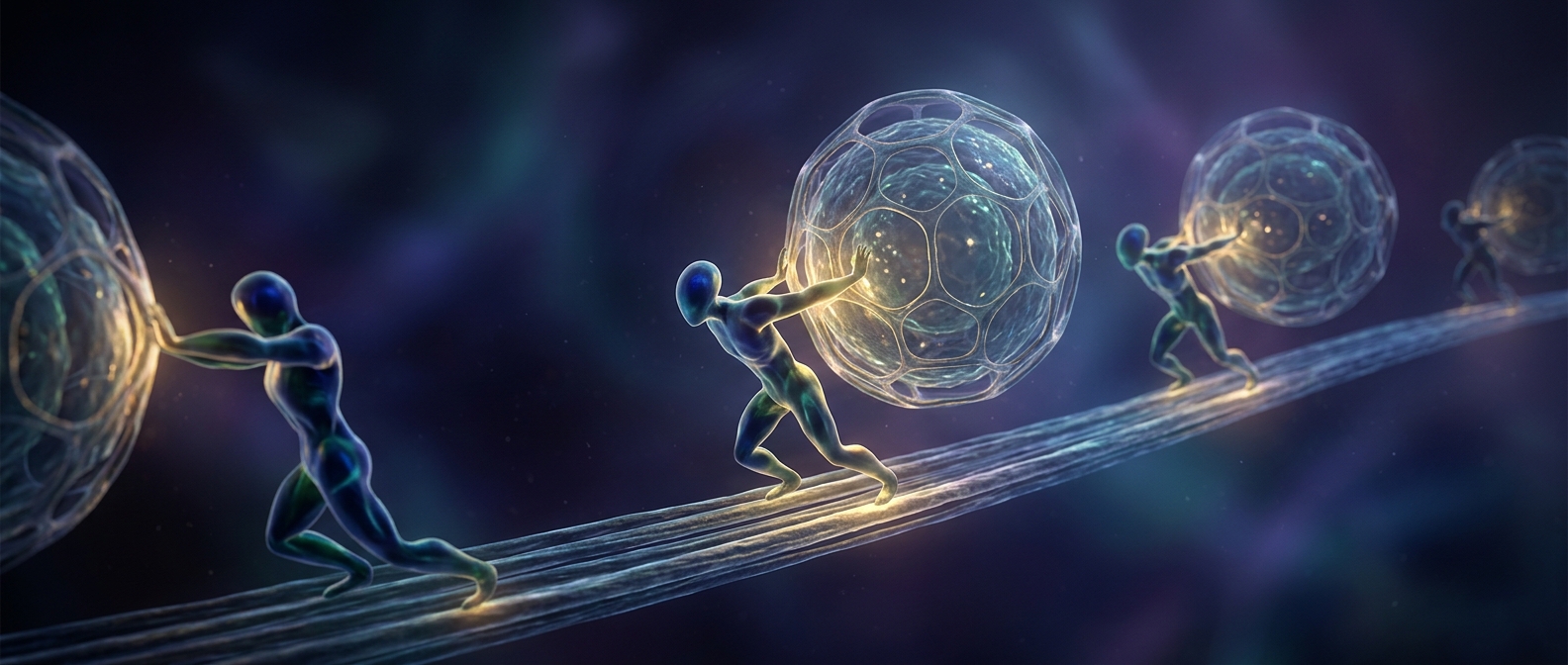
A lysosome cannot break down material it never receives. Cells route cargo there along several paths. In autophagy, a membrane wraps around worn-out cell components, such as a damaged mitochondrion, forming a delivery sac. Other cargo arrives in small membrane bubbles formed as the cell takes in material from outside. These bubbles travel inward and can merge with lysosomes, bringing their contents into the same compartment as the enzymes.
This routing lets the cell handle very different loads—from bits of old machinery to material it has absorbed—without releasing digestive enzymes throughout the cell.
Why the lysosome is acidic
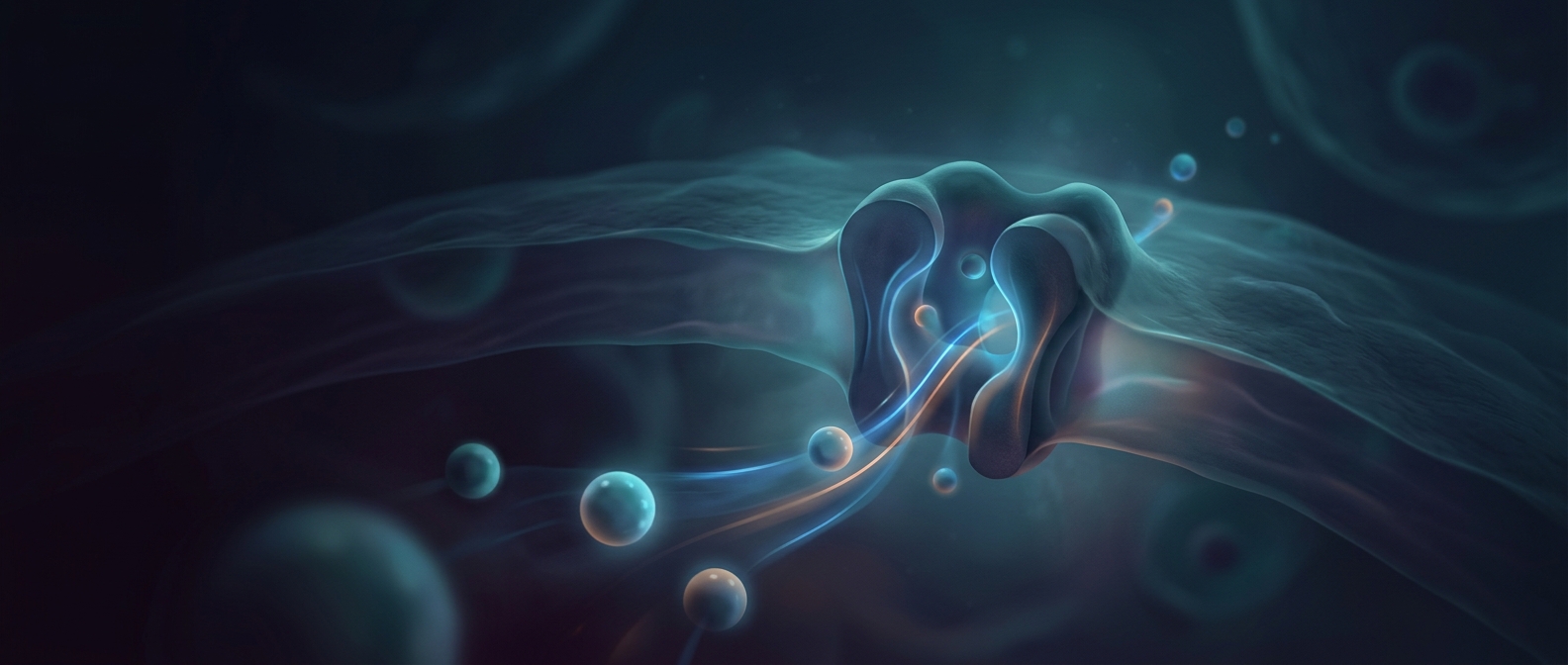
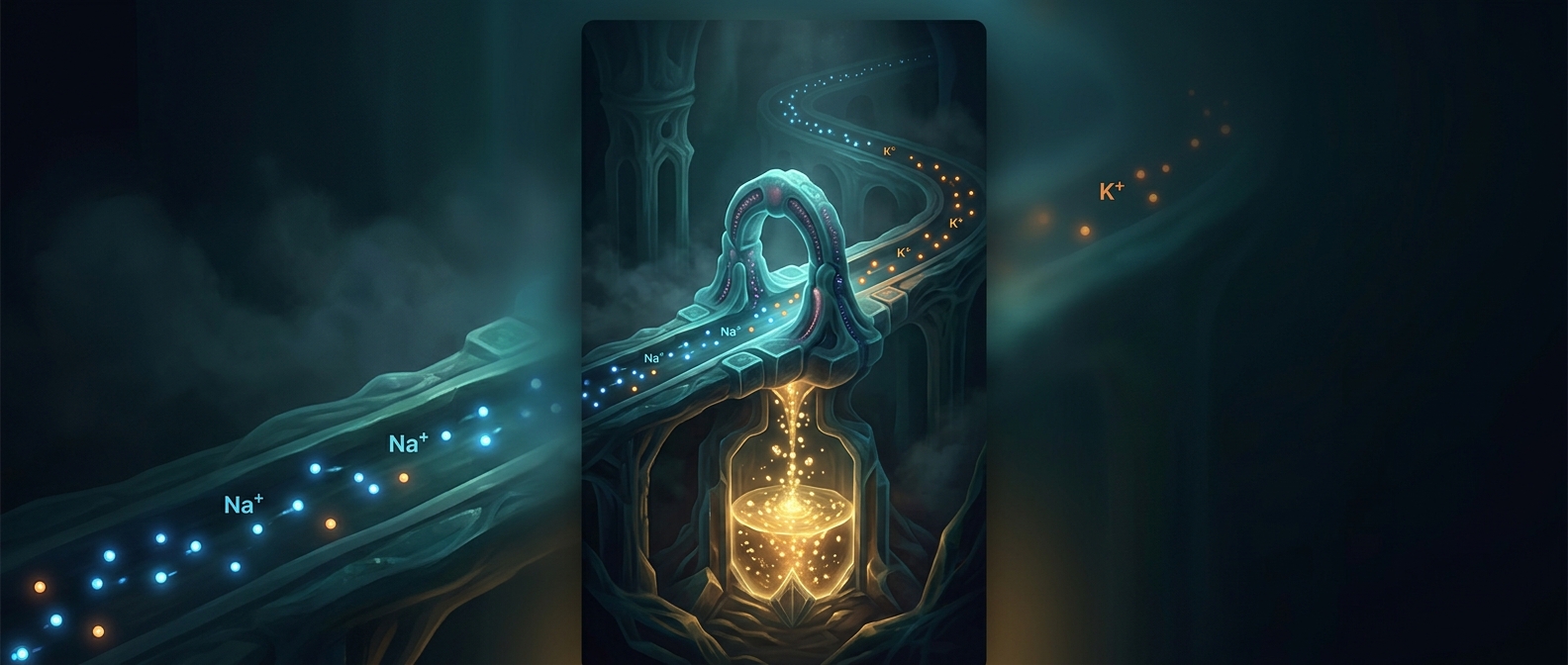
Lysosomes maintain an acidic interior, unlike the near-neutral fluid surrounding them in the cell. Tiny molecular pumps use energy to move protons into the compartment, keeping it acidic. The enzymes inside are suited to those conditions: they cut large molecules into smaller building blocks, including amino acids, sugars, and fatty acids.
The acidity is also a form of containment. If some lysosomal enzymes escape, they are generally less active in the cell’s less acidic surroundings. It is not a perfect seal, but the difference in conditions helps keep digestion localized.
Recycling changes what the cell can do next
Small breakdown products can pass back out through the lysosome’s membrane and re-enter the cell’s working supply. The cell may use them to build new proteins or membranes, or to support energy-making processes. Some material cannot be reused and remains behind for further handling or removal.
That makes lysosomal cleanup more than disposal: breaking down a damaged component can return its raw materials to circulation. A cell can reclaim parts from yesterday’s machinery and use them to keep today’s operations running.