A Mega Drive Built Into the Seat
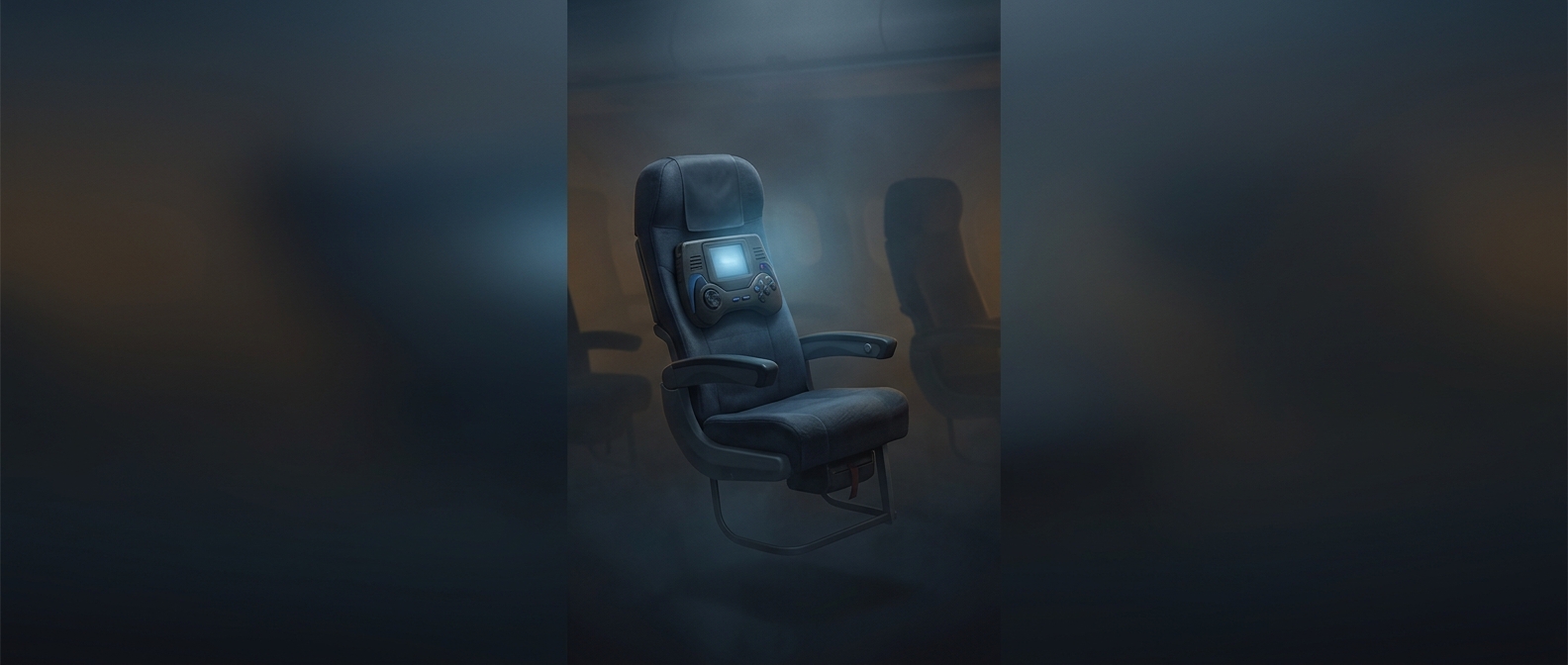
In the mid-1990s, Sega brought its Mega Drive—the console known as the Genesis in North America—into airline cabins. Rather than handing each passenger a separate console, airlines fitted specialized hardware into passenger seats. A traveler could use controls in the armrest to play on the screen in front of them, turning the seat into a small arcade station.
The arrangement depended on the aircraft’s existing in-flight entertainment setup: the console supplied the game, while the seat’s display and controls made it playable without a handheld device. For passengers, that meant familiar video games were available during a flight without packing any equipment.
The Price of Passing Time
The service also treated games as a paid amenity. Passengers were charged by the hour, and the fees were steep enough to limit the appeal. That created a problem specific to the experience: a game might make a long flight more entertaining, but players had to keep paying as the minutes passed. A brief trial could become an expensive way to pass time.
The setup reveals the tradeoff behind putting entertainment into an airplane seat. Airlines could offer something more interactive than simply watching a film, but the specialized equipment had to earn its place as a service passengers would pay to use. Sega’s console made the cabin seat a gaming station; the hourly charge made that station a luxury rather than an easy diversion.