A wartime campaign fought on the astral plane
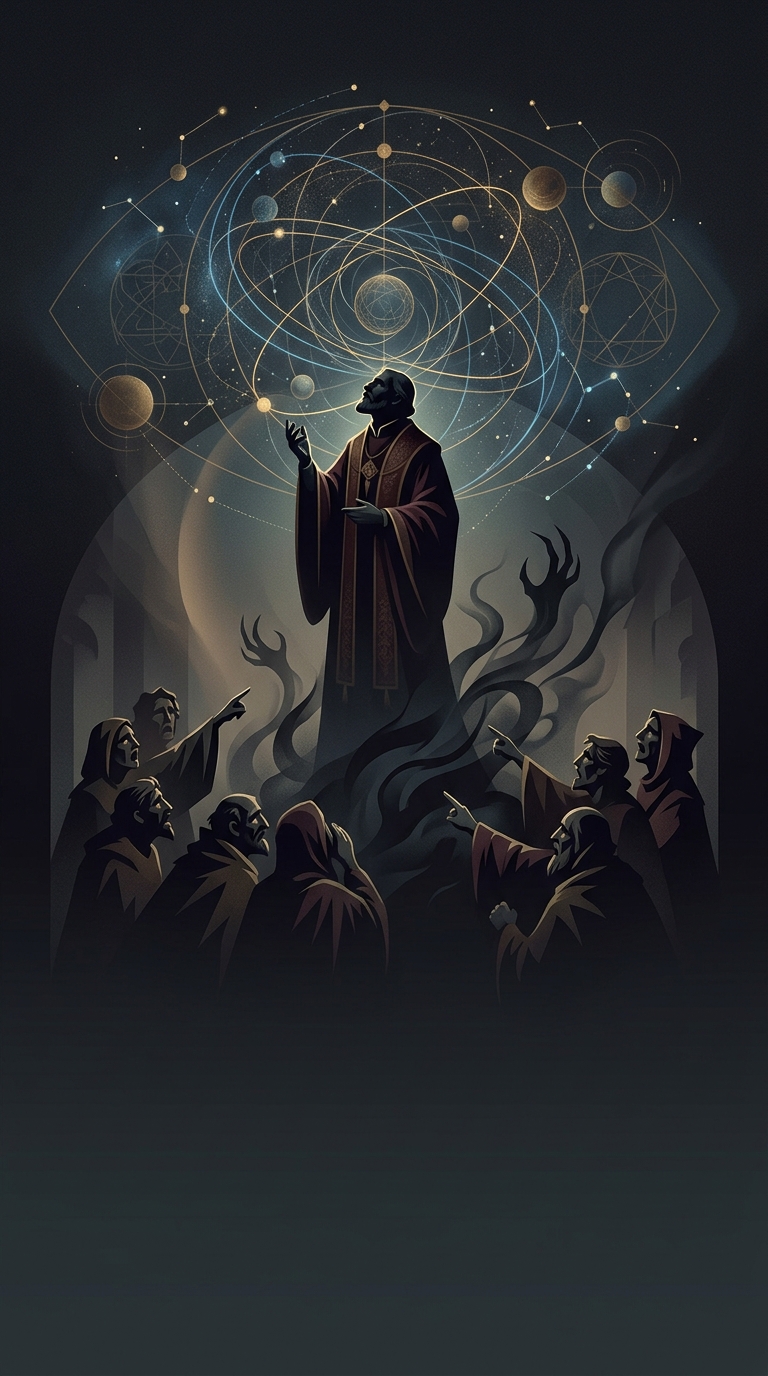
Dion Fortune’s “psychic war” was not a military operation but an occult interpretation of the Second World War. Fortune, a British writer and teacher of esoteric practices, believed that focused thought could act beyond the physical world. In her account, the conflict therefore had an invisible counterpart: trained minds could influence events by directing intention toward them.
That idea rested on a distinction familiar in Western occultism. The astral plane was understood as a nonphysical realm of images, emotions, and forces that could affect the material world. A practitioner’s visualization was not merely daydreaming in this framework; it was meant to create or strengthen an influence on that plane.
What the group tried to do
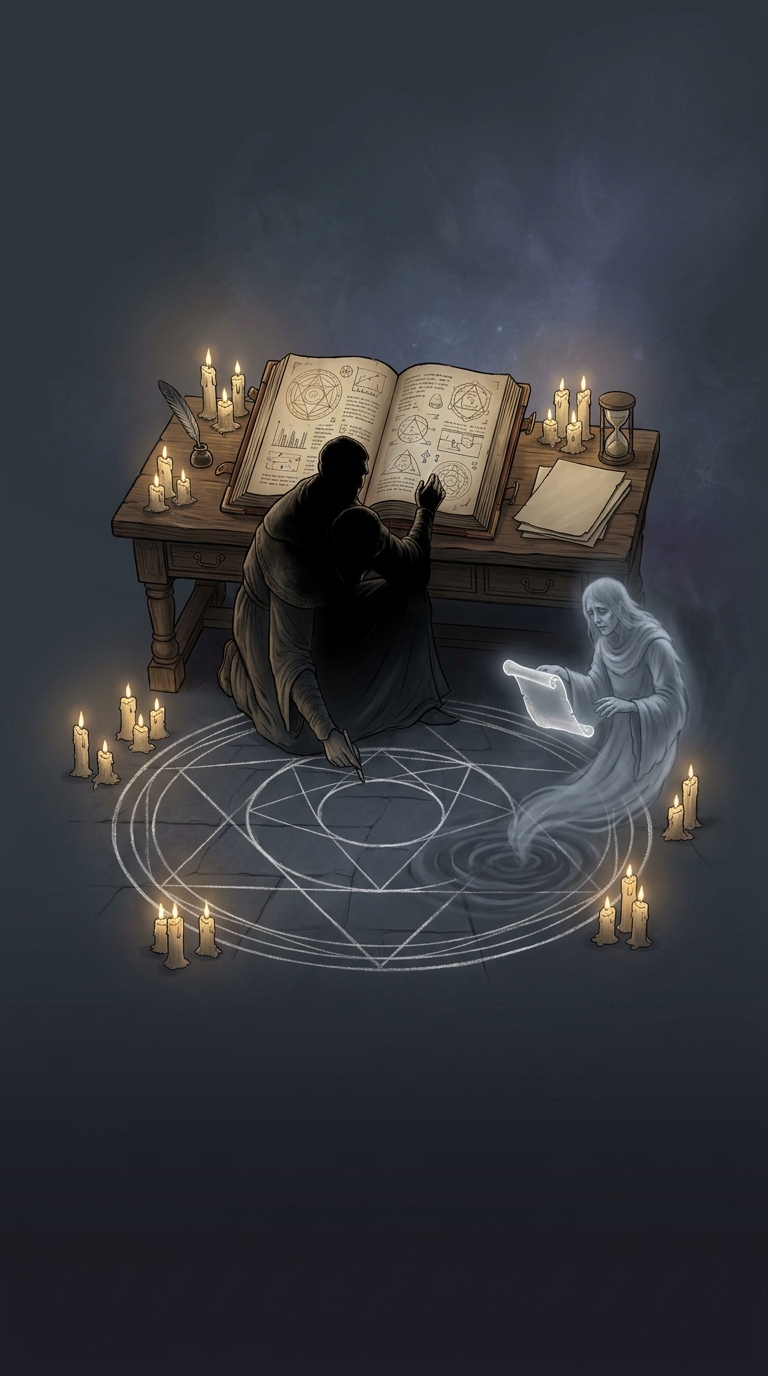
Fortune organized fellow practitioners to meditate together and direct protective, peace-oriented thoughts toward Britain and the wider conflict. The work included imagining angelic protection and a barrier against danger across the Channel. The exact military map mattered less than the symbolic aim: to surround Britain with a defensive force while countering what the group regarded as hostile psychic influence.
Such exercises made the campaign collective. Participants could follow a shared intention and visualization even when they could not contribute to the physical defense of the country. For Fortune, their concentration was a form of action—not a substitute for soldiers or weapons, but a parallel effort in a hidden arena she believed was real.
Belief, not evidence of supernatural effects
The campaign is revealing because it shows how Fortune translated wartime fear and uncertainty into the language of her spiritual system. Its reported actions tell us what she and her circle believed they were doing; they do not establish that meditation created an actual barrier or changed the course of the war. The striking detail is the scale of the imagined defense: in Fortune’s worldview, even a living room could become a command post for a battle said to extend across the Channel.