A closer look
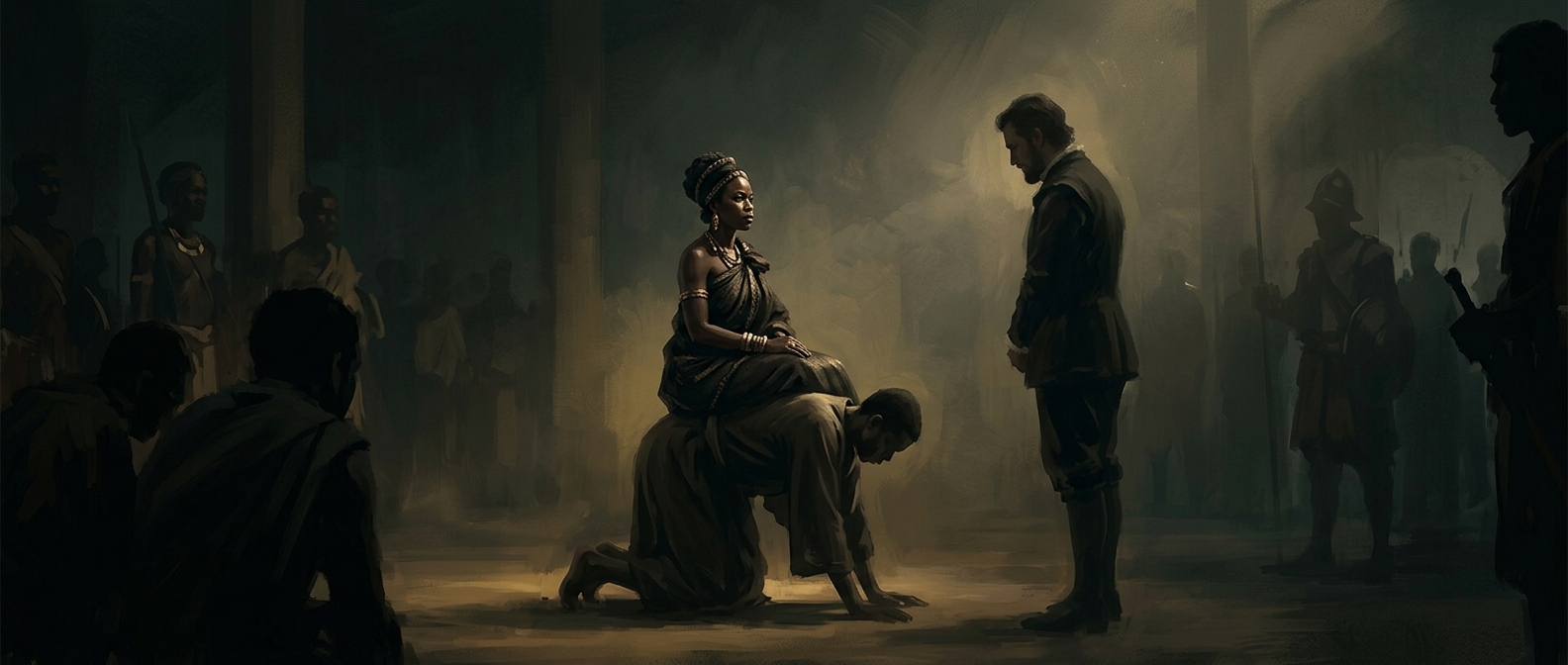
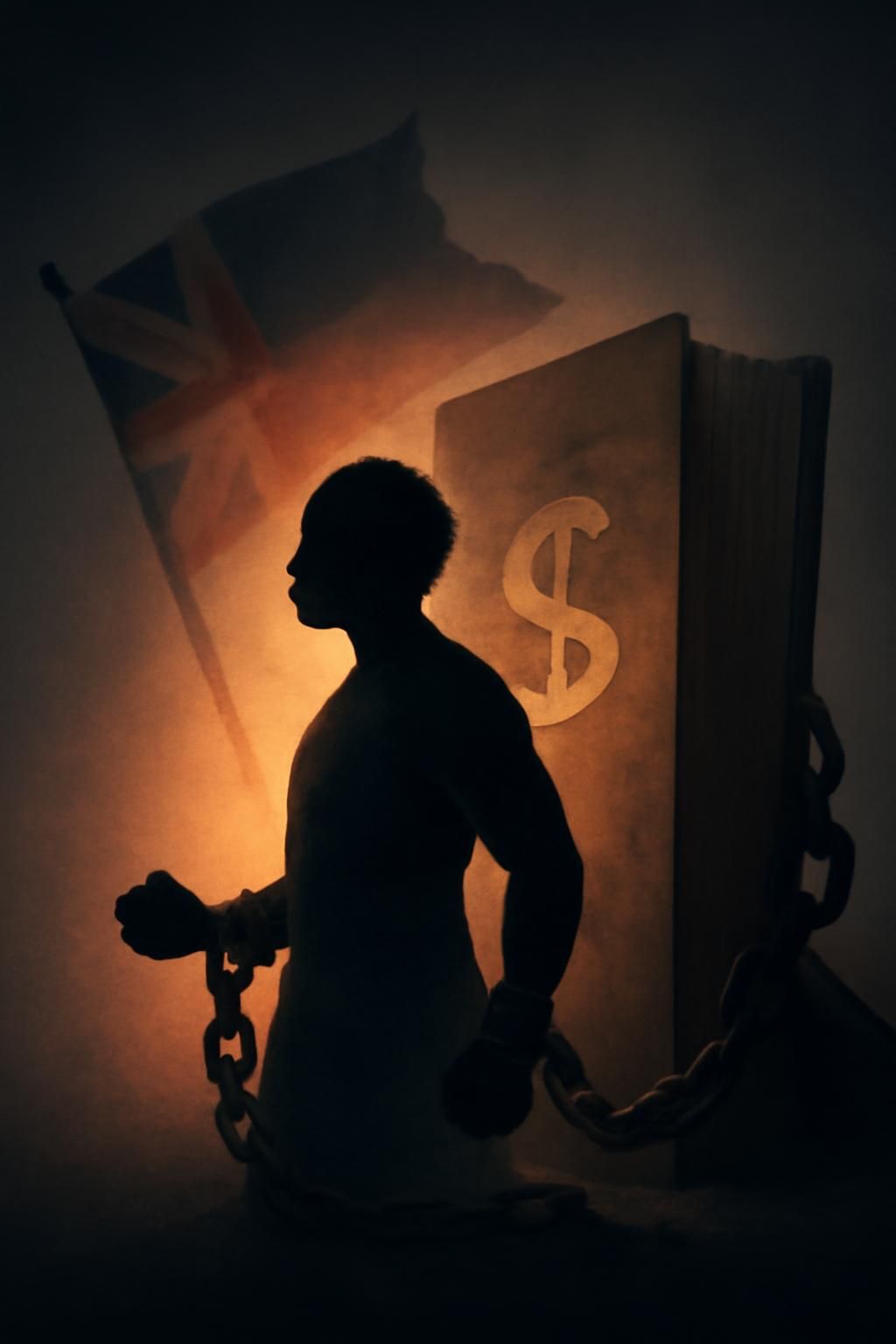
One of the most successful slave rebellions in history was punished with a bill that haunted a nation for generations. In 1791, enslaved people in the French colony of Saint-Domingue rose up, fought off multiple European armies, and eventually formed Haiti, the first Black republic. France refused to accept this loss. In 1825, under threat of invasion, Haiti agreed to pay massive compensation to former French slaveholders for their lost property – including human beings. The debt, plus interest, strangled Haiti's economy for more than a century, with payments still being made into the 20th century. While textbooks often blame Haiti's poverty on corruption or instability alone, this imposed financial chokehold is a crucial, less discussed root. It shows how power structures can punish freedom not just with guns, but with ledgers, shaping a country's fate long after the battles end.