How Maya blue held its color
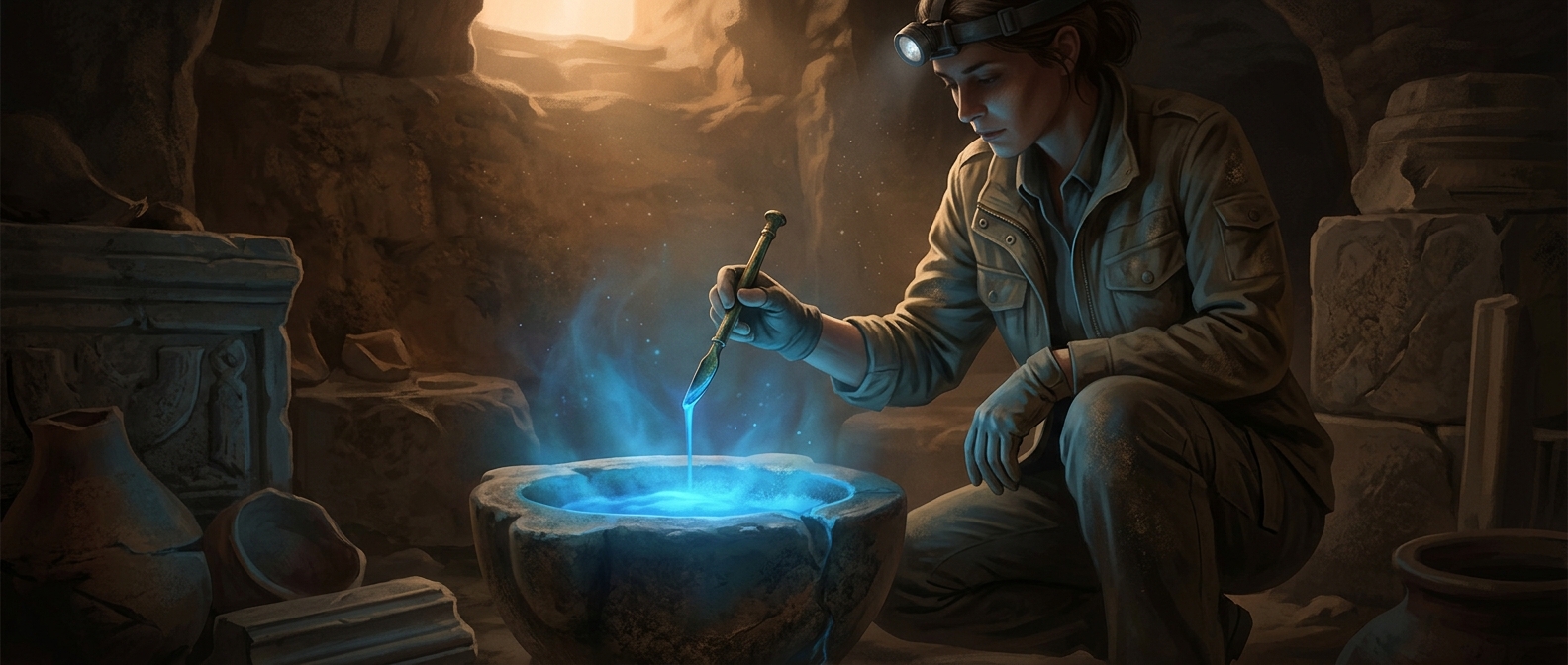
Maya blue was not simply indigo paint mixed with ordinary dirt. Artisans combined the plant-derived blue dye with a fine, fibrous clay called palygorskite, then heated the mixture. The result was a pigment with a vivid hue that could survive for centuries on painted surfaces.
The key is the clay’s structure. Palygorskite contains microscopic channels, and heating helps indigo molecules lodge within them. Instead of sitting exposed on a surface, where light, moisture, and chemical reactions can break the dye down, the color molecules are partly sheltered by the mineral. The clay also gives the pigment a stable base.
A color made for demanding surfaces
That resilience mattered in the Maya world, where blue appeared on murals, ceramics, and other objects exposed to wear and the elements. Pigments that looked brilliant when fresh could lose their color over time. Maya blue endured because its ingredients worked together: indigo supplied the hue, while the clay helped protect and hold it.
The pigment is not literally indestructible, and its survival depends on the object and its conditions. But its persistence is striking: on ancient surfaces, a blue made from a plant dye and a particular clay can remain visible long after the painted image around it has deteriorated.