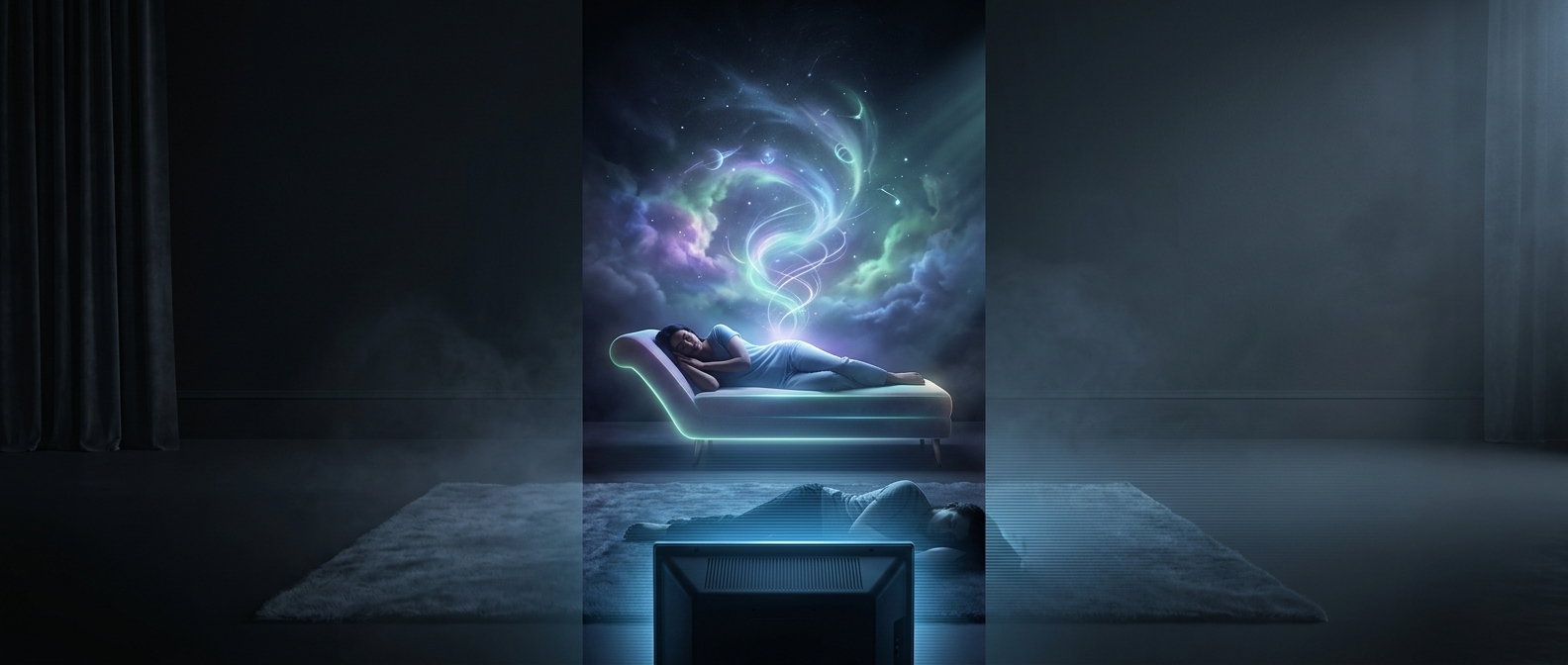
How sleep can trigger physical arousal
During sleep, the nervous system shifts through patterns of activity that affect blood flow and the muscles that regulate it. In a phase called rapid eye movement (REM) sleep, when the brain is active and vivid dreams are more likely, those shifts can produce genital responses without any sexual thought or dream causing them. In people with a penis, this may mean an erection; genital blood flow can also change in people with a vulva.
A response that can recur overnight
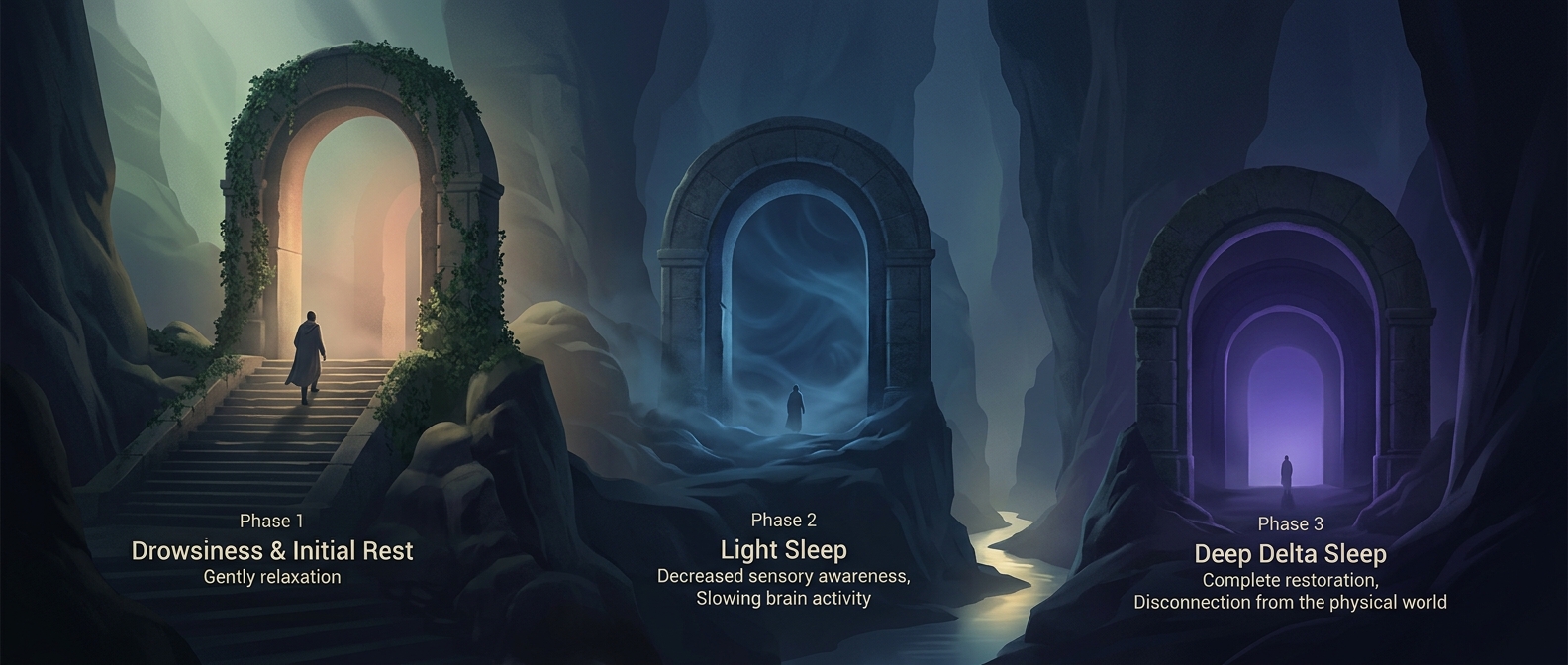
Sleep cycles repeat through the night, and REM periods recur within them. As a result, physical arousal may happen more than once. It is an automatic bodily response, not a deliberate choice—and it does not require a person to notice or remember it.
A sexual dream can happen at the same time, but the coincidence does not show that the dream started the response. The same physical change can occur during sleep without an erotic dream, just as a dream’s content does not reliably reveal what the body was doing.
What it does—and doesn’t—tell you
Waking up with signs of arousal is therefore not a dependable way to reconstruct a dream or infer a person’s wishes. It reflects sleep-related changes in the body, not necessarily conscious desire. The key distinction is between an automatic physical response and the thoughts or feelings a person experiences while awake.