Why Alpine Boots Feel More Like Equipment Than Footwear
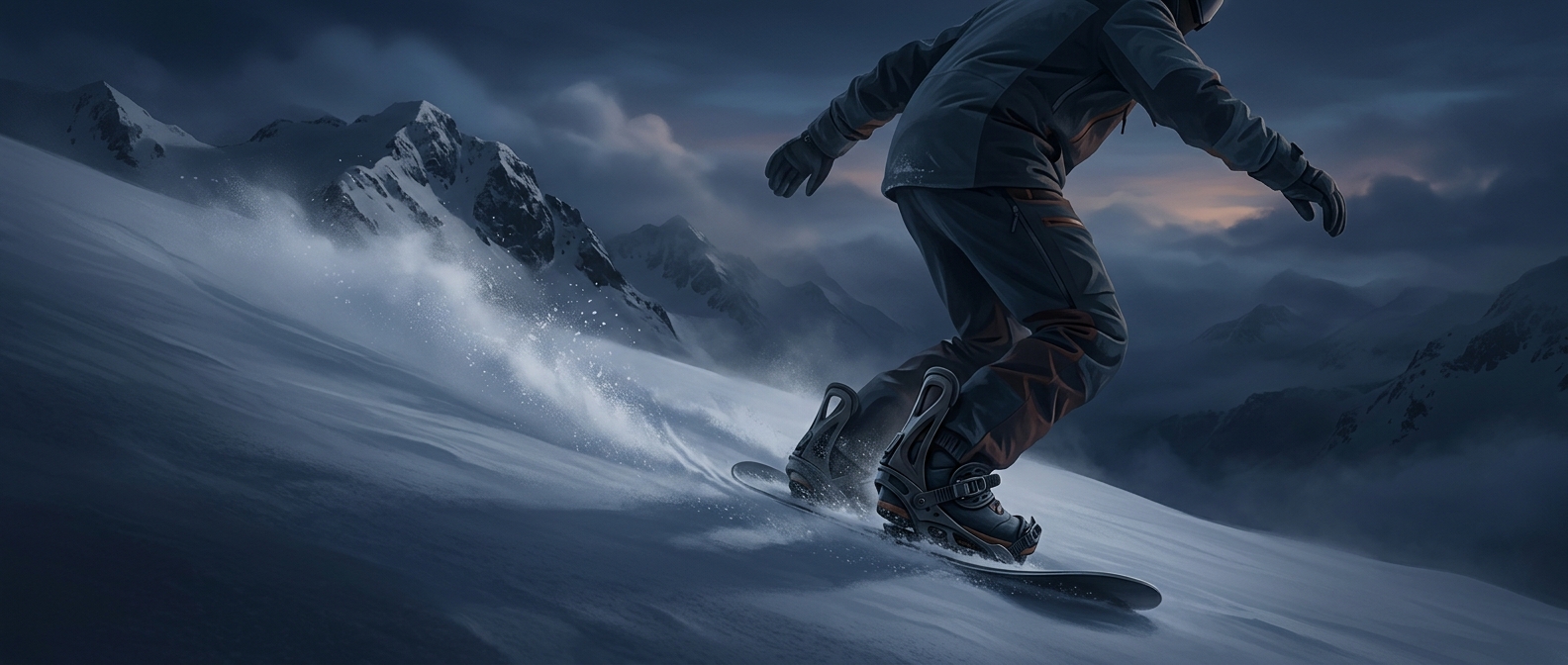
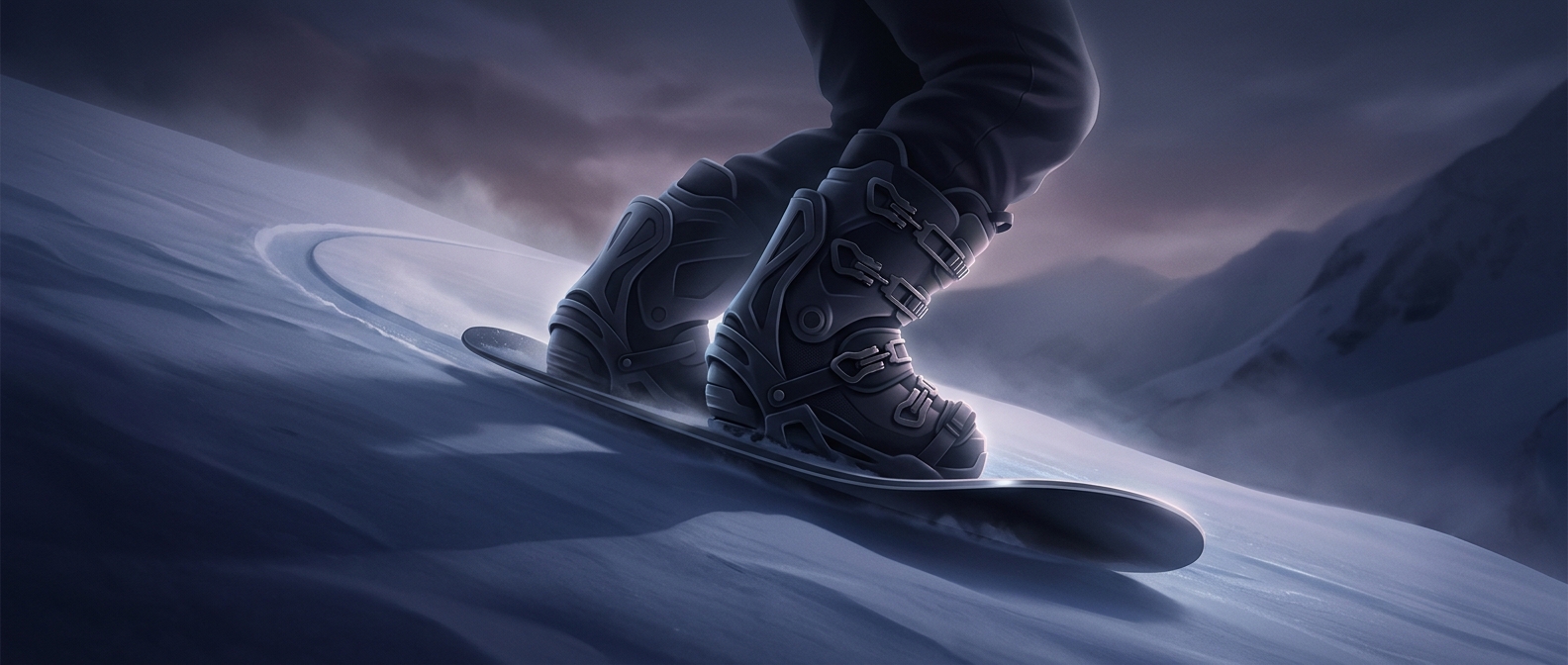
In an alpine turn, the rider tips the board onto one edge and holds that edge in the snow as the board arcs across the slope. The boot is part of the control chain: movement from the rider’s lower leg passes through the boot and binding to the board. If the boot bends substantially, some of that movement is absorbed before it reaches the edge.
A stiff boot resists that bending. It gives the rider a firmer platform for changing how far the board is tipped and for holding the chosen angle under pressure. That matters in a hard carve, when the board must stay engaged rather than wash sideways into a skid.
The Tradeoff Is Control for Freedom
Alpine boots are designed to limit ankle movement compared with softer snowboard boots. Less flex can make small adjustments feel more direct, but it also leaves the rider less room to absorb bumps or shift naturally inside the boot. The same rigidity that helps transmit force can make walking and casual movement less comfortable.
The boot does not carve on its own: the rider still has to coordinate body position, edge angle, and pressure. Its job is to make the connection between those inputs and the board more immediate. On a fast, groomed run, that firm connection can help a rider hold a clean arc; when the snow is rough, it offers less built-in give.