Nassau’s Pirate Haven Was No Formal Republic
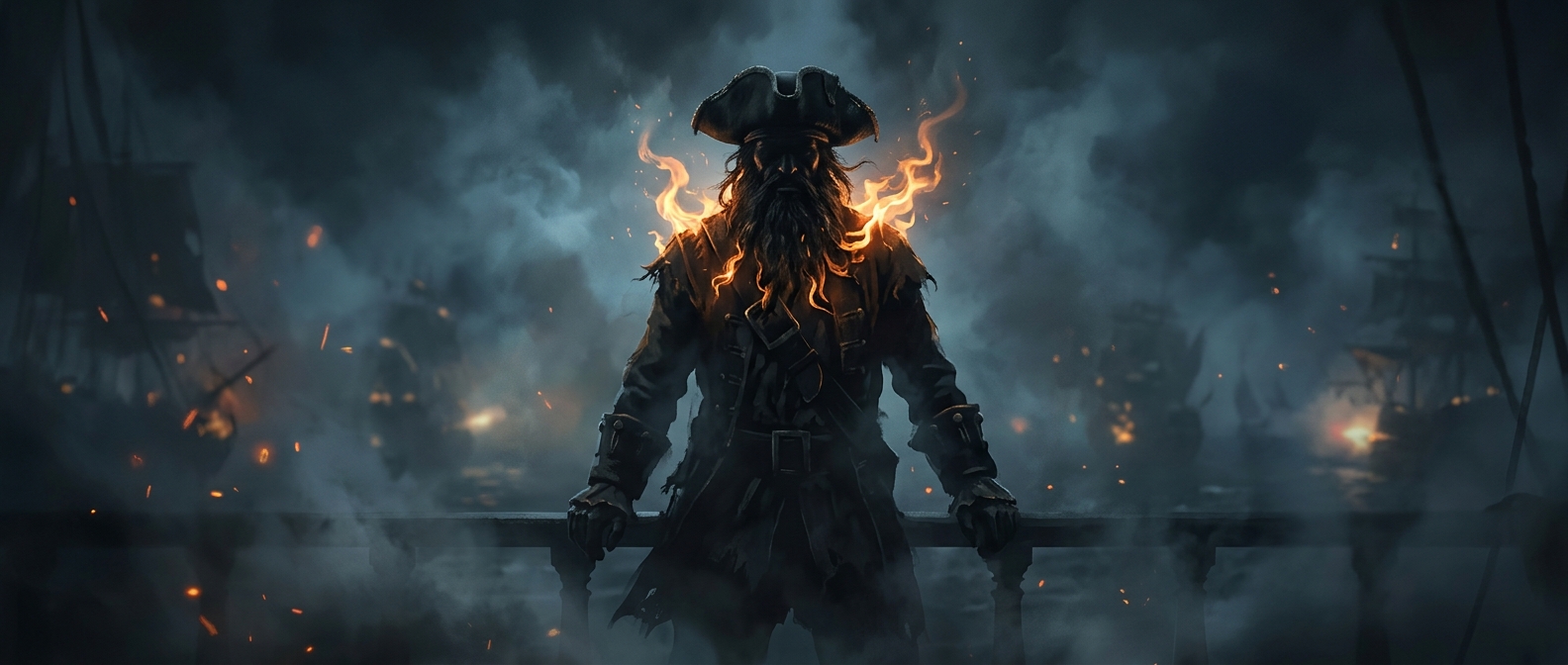
In the early 18th century, Nassau became a gathering place for pirates, not because they formally conquered the Bahamas and founded a state, but because imperial authority there was weak. The War of the Spanish Succession had disrupted control of the islands, leaving the port vulnerable. Among the pirates who used it were Benjamin Hornigold and, later, Edward Teach, better known as Blackbeard.
Their community could look startlingly self-governing beside the rigid hierarchies of the empires they preyed on. But it had no unified government, public services, or rights for the people whose ships were captured. It was a shifting alliance of crews organized around plunder.
The Crew’s Agreement Put Limits on Its Captain
On many pirate ships, written articles set rules before a voyage: how shares of captured loot would be divided, what conduct was forbidden, and what compensation a crew member could receive for a disabling injury. Crewmates could have a voice in choosing or removing a captain. Captains still commanded during a chase or battle, while a quartermaster—a senior crew member responsible for provisions and discipline—could restrain the captain’s power at other times.
These arrangements were practical as well as egalitarian. A captain who ignored the crew’s interests risked losing their support; clear rules could reduce disputes over loot and keep a dangerous venture functioning. Compensation for an injury was not modern healthcare: it was a promised share of the spoils, if the voyage produced any.
Equality Inside the Crew, Violence Outside It
The contrast matters. A pirate might have more say in his ship’s affairs than a common sailor under naval discipline, and a written injury allowance could offer some protection. But the system depended on robbery and coercion. Its rules applied to insiders who accepted the crew’s terms, not to merchants and sailors attacked at sea.
Nassau’s pirate order was therefore less a democratic republic than a fragile arrangement among armed crews. Its striking bargain—shared authority and spoils among pirates, enforced violence against everyone they raided—was built into the same system.