A locomotive, not a whole train
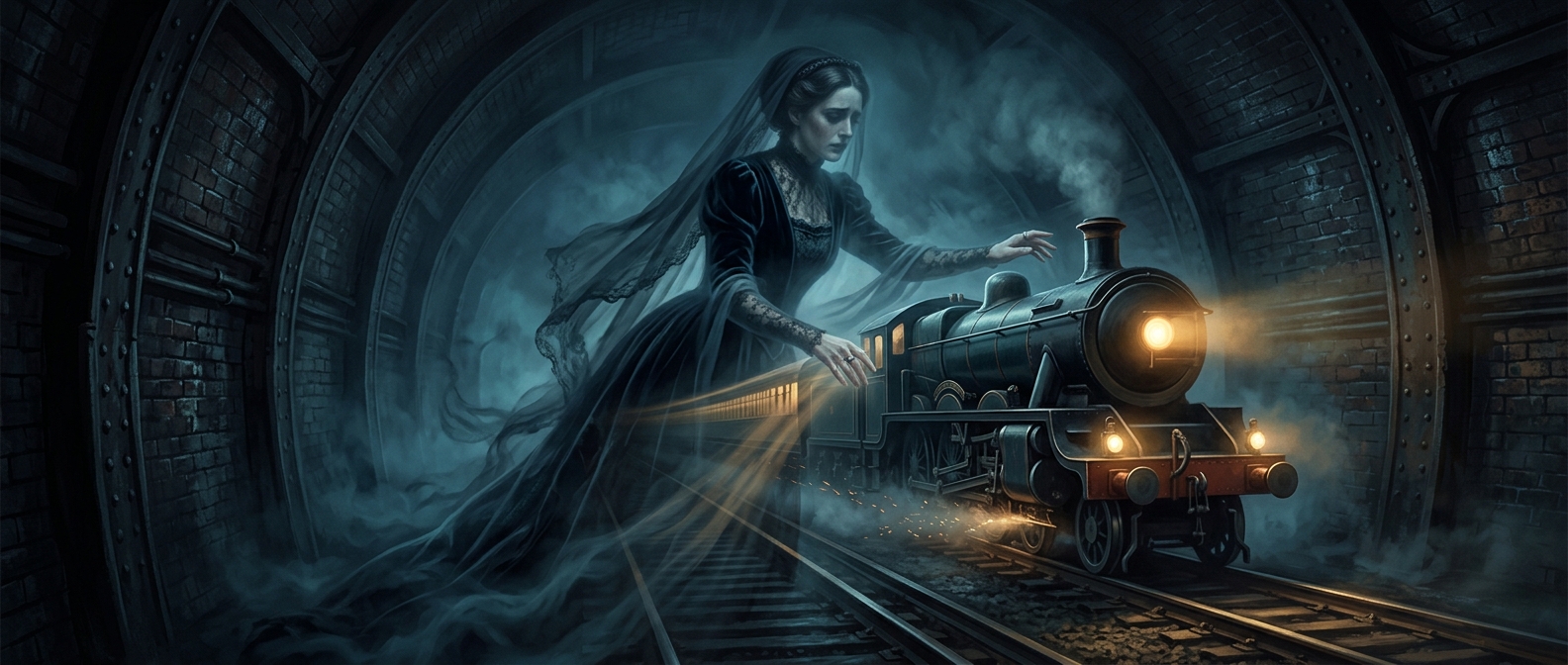
Sarah Siddons was the name given to one electric locomotive on the Metropolitan Railway, the company whose routes became part of today’s London Underground. The locomotive was named for the celebrated stage actress Sarah Siddons, who lived from 1755 to 1831. The name belonged to the machine itself—not to a passenger service or a particular train.
That distinction reflects an earlier way of running electric railways. Instead of powering motors beneath passenger carriages, a locomotive could haul a set of coaches, much as a steam engine did. The Metropolitan used electric locomotives for passenger work, making the change from steam to electric traction without requiring every carriage to be self-propelled.
From passengers to track work
As railway equipment and operating arrangements changed, locomotives like Sarah Siddons became less central to everyday passenger service. The same basic capability that had made it useful for hauling coaches—moving heavy loads along the rails—also suited it to engineering duties. In later service, it hauled trains used for work on the railway, including the movement of equipment and materials.
That shift gives the name its unlikely second act: an actress celebrated for commanding the stage became attached to a machine whose later work was largely behind the scenes. And because Sarah Siddons was a locomotive rather than a passenger train, the name could stay with it as its job changed from carrying people to helping maintain the railway beneath them.