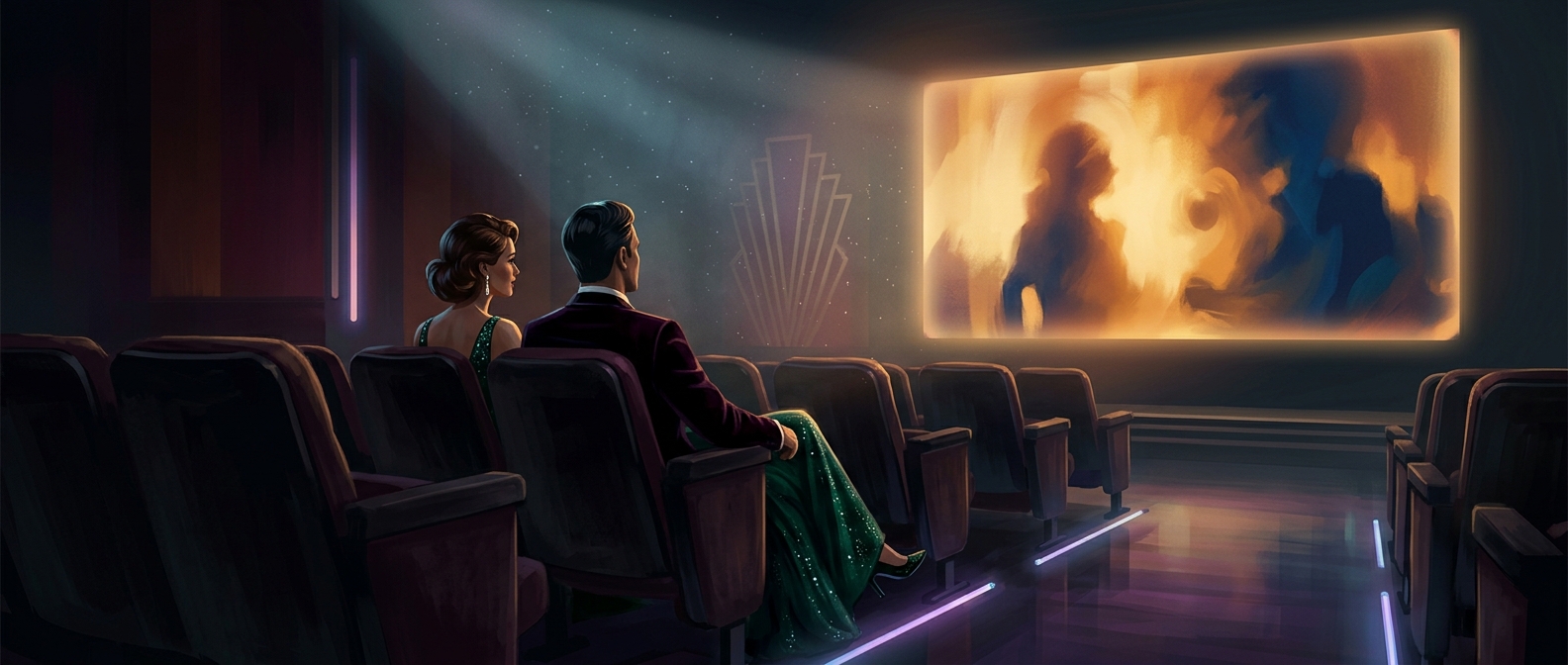
How an adult film became a public spectacle
Deep Throat did more than reach audiences willing to watch explicit films: it became something people talked about seeing. Its comic, easy-to-repeat premise—a woman whose pleasure depends on oral sex—gave the film a hook that could travel beyond the theater. The title itself became shorthand in conversations about sex, celebrity, and changing social boundaries.
That visibility mattered in 1972, when the sexual revolution had made previously taboo subjects more discussable, but explicit movies still carried stigma and legal risk. A screening could therefore feel like both entertainment and a boundary-crossing public event. The presence of famous guests intensified that effect: their attendance made the film seem less confined to an underground audience, while the attention surrounding the screenings made them newsworthy in their own right.
The feedback loop of notoriety
The film’s cultural status fed on itself. Public discussion drew curious viewers; celebrity interest gave journalists another reason to cover it; and coverage made the film seem like a test of who was willing to be seen there. That cycle—rather than the movie’s artistic reputation alone—helped turn a sexually explicit feature into a marker of the era’s shifting norms.
The distinction is important: “must-see” did not mean that everyone approved of the film or that adult cinema had become ordinary. It meant that, for a time, watching it could be a way to participate in a highly visible cultural moment. The screening itself became part of the story.