How Bedroom Light Can Reach the Brain’s Mood Systems
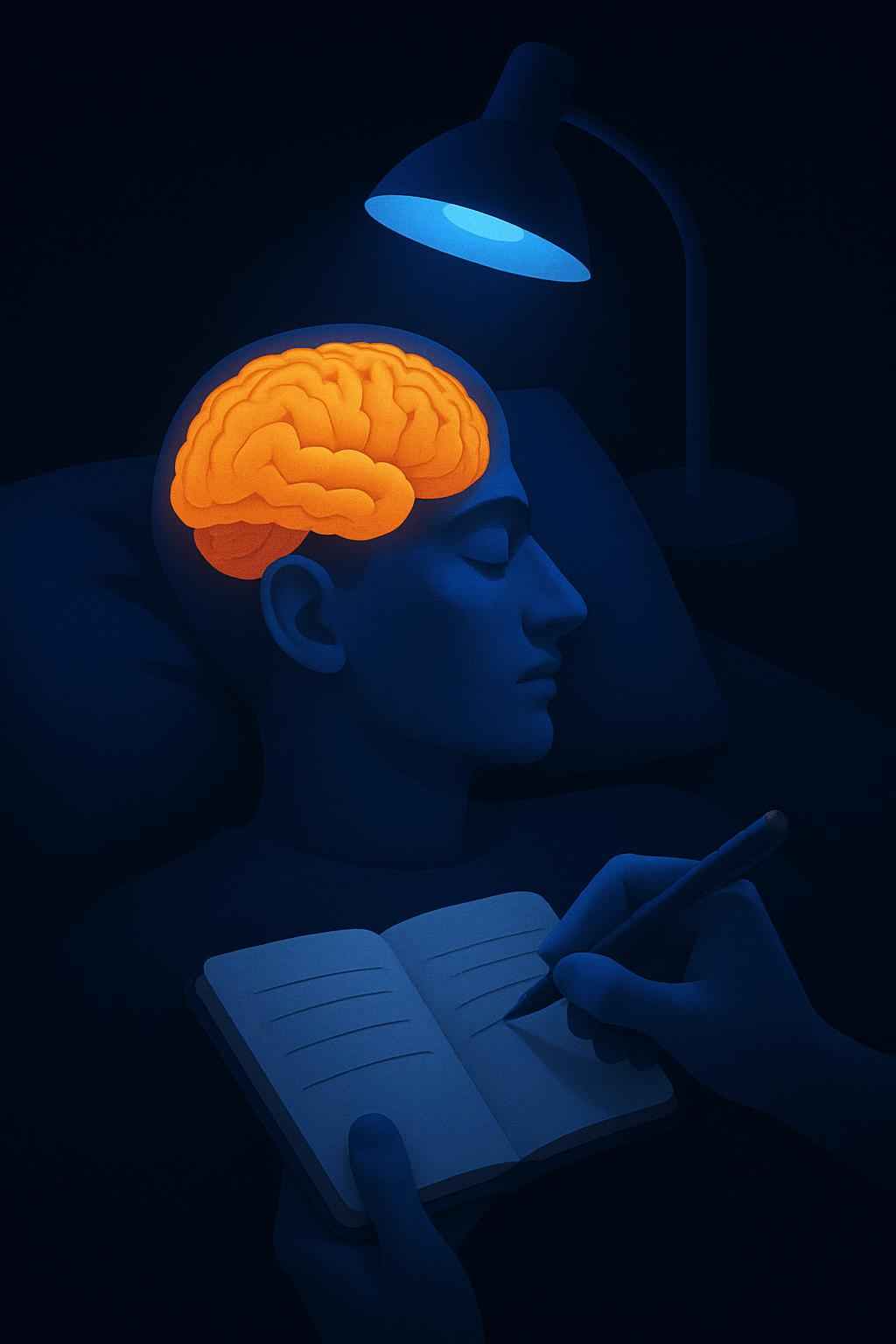
Light does more than help us see. Specialized cells in the eye detect brightness and send timing signals to the brain’s internal clock, which helps coordinate sleep and other daily rhythms. That system responds even when a person is not consciously looking at a light—so a glowing screen, an uncovered window, or a bright bedside lamp can matter after the room is meant to be dark.
At night, light can disrupt the body’s sense of when day ends. It may suppress melatonin, a hormone that helps prepare the body for sleep, and shift circadian timing—the roughly 24-hour schedule that regulates sleep and other functions. If the disruption makes sleep shorter, lighter, or less regular, it can also affect mood and emotional resilience.
The Link Is Not the Same as Proof
Studies have linked greater exposure to light at night with a higher likelihood of depression. The connection is plausible: sleep and circadian rhythms influence systems involved in mood, and persistent disruption may make those systems harder to regulate. But an association does not establish that bedroom light alone causes depression. Stress, health, work schedules, and other factors can affect both nighttime light exposure and mental health.
The practical distinction is between light that helps someone wind down and light that keeps the body receiving a daytime-like signal. Dimming lamps, covering bright LEDs, and using blackout curtains can make a bedroom darker; reducing bright screen use before bed can limit another source. The surprising point is that light can shape the body’s night-time timing without being bright enough to keep someone awake. A dark bedroom is not a treatment for depression, but it can remove one avoidable source of disruption to sleep and the body clock.